
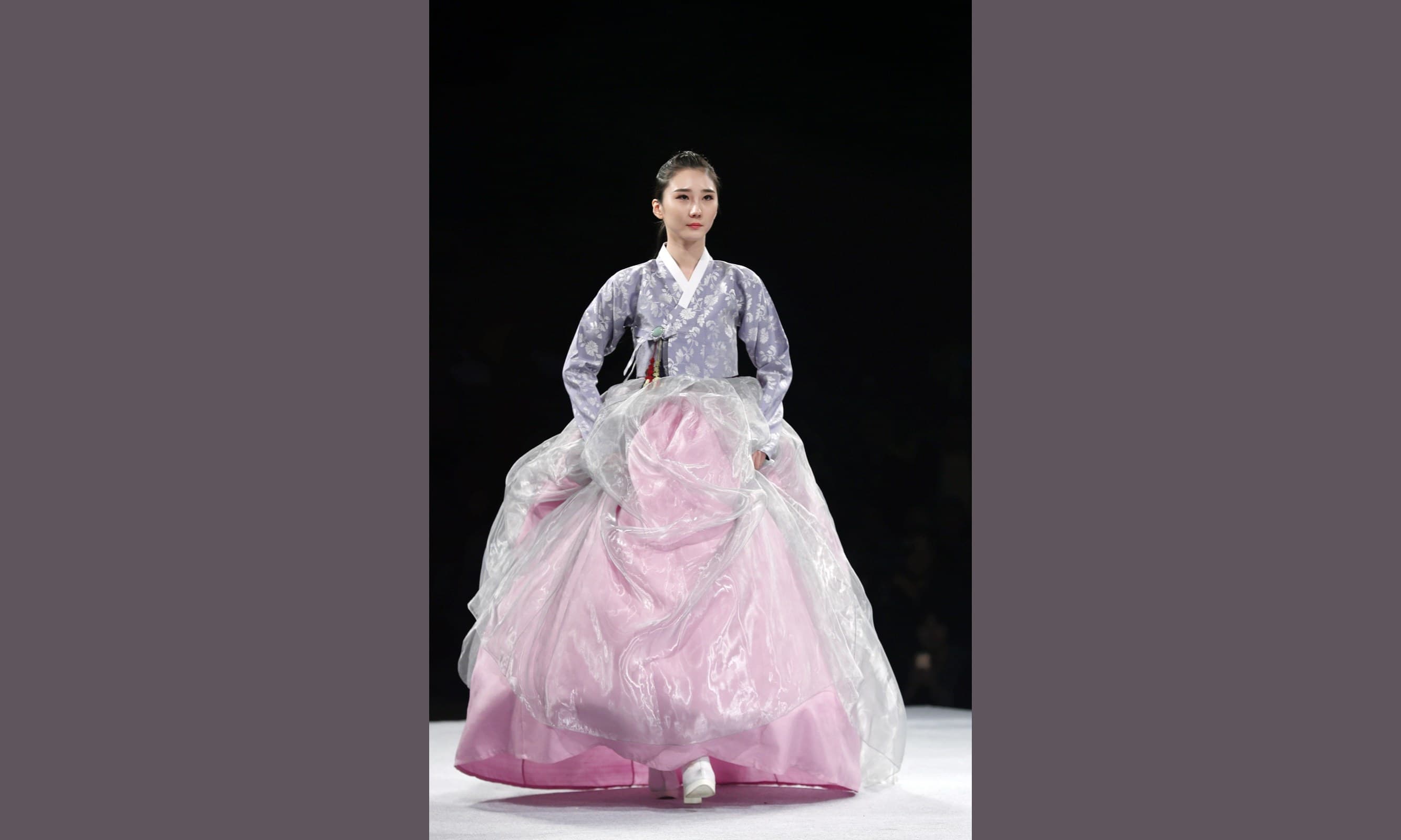
A hanbok is designed to be loose and comfortable. The skirt is wide and floats away from the body, so the person wearing it can sit on the floor, kneel for tea, or run easily. The lines are gentle curves - no zips, no tight belts - and the colours are usually bright.
The colours mean different things. In old Korea, white was the colour that everyday people wore at home, while bright reds, blues, yellows and greens were for special days. The five 'lucky' colours - red, blue, yellow, white and black - represent the directions, the seasons and the elements. Today, lots of children wear small versions of a colourful hanbok at family parties and New Year.
Modern Koreans don't wear a hanbok every day - they wear regular clothes like everyone else. But on big festivals (like Seollal, the Lunar New Year, and Chuseok, the autumn harvest), grandparents, parents and children often all dress in matching hanbok and take family photos.
Around Seoul's palaces, you'll see lots of tourists wearing rented hanbok for the day. Wearing a hanbok inside Gyeongbokgung Palace lets you enter for free, and many visitors say it makes them feel like they have stepped 500 years back in time.