
Classroom lesson 路 Wildlife馃嚥馃嚘 Morocco

The fennec fox

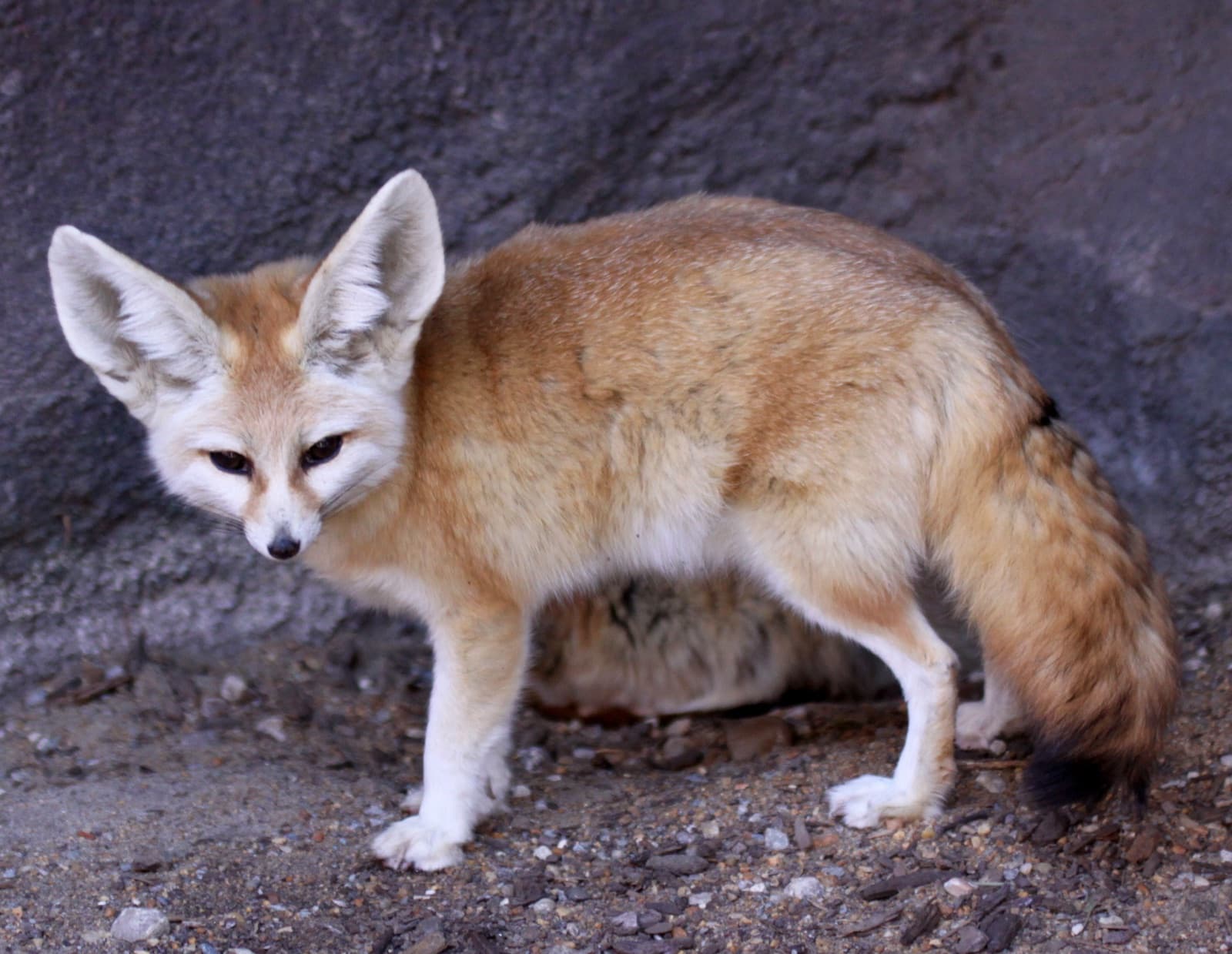
A tiny desert fox with enormous ears

A small fennec fox with very large ears peeking out of a sandy burrow

Photo 路 Wikimedia Commons

What is it?

The fennec fox is the smallest fox in the world. It lives in the Sahara desert, including the Moroccan Sahara, and is famous for its huge bat-like ears. From nose to tail, the whole fox is only about 40 cm long - small enough to fit in a backpack.

Tell me more

The ears do two clever jobs. First, they help the fox hear tiny noises - like a beetle moving under the sand. Second, they act like radiators that let extra heat escape, so the fox stays cool in the desert sun.

Fennec foxes are most active at night, when the desert is cooler. During the day, they sleep in burrows they dig deep into the sand. A burrow can have several entrances so the fox can always run home a different way if a bigger animal is chasing it.

They are great jumpers. From a standing start, a fennec fox can leap about a metre into the air - useful for catching insects mid-flight. They eat insects, small lizards, eggs, fruit and roots, and they can survive for a long time on the water they get from food alone.

Even their feet are designed for the desert. The bottoms of their paws are covered in thick fur, which protects them from hot sand the way slippers protect your feet from a hot bathroom floor.

In the classroom

Walk your class through this in 15 minutes.

Talk together

Discussion prompts

  1. 01How can a pair of big ears help an animal stay cool, not just hear well?
  2. 02What would change about your day if you only came out at night?
  3. 03Why might it help to have several different ways into your home?
Try this

Classroom activity

Cut out a pair of giant cardboard fennec-fox ears (about 15 cm tall). Take turns wearing them around the playground. How do sounds change? Can you hear things you didn't notice before?