
Corn was first grown by Indigenous peoples in what is now Mexico about 9,000 years ago. They slowly turned a small grassy plant into the big golden cob we eat today. From there, corn spread north and south across the Americas. When European farmers arrived later, they learned how to grow it from the people already living there.
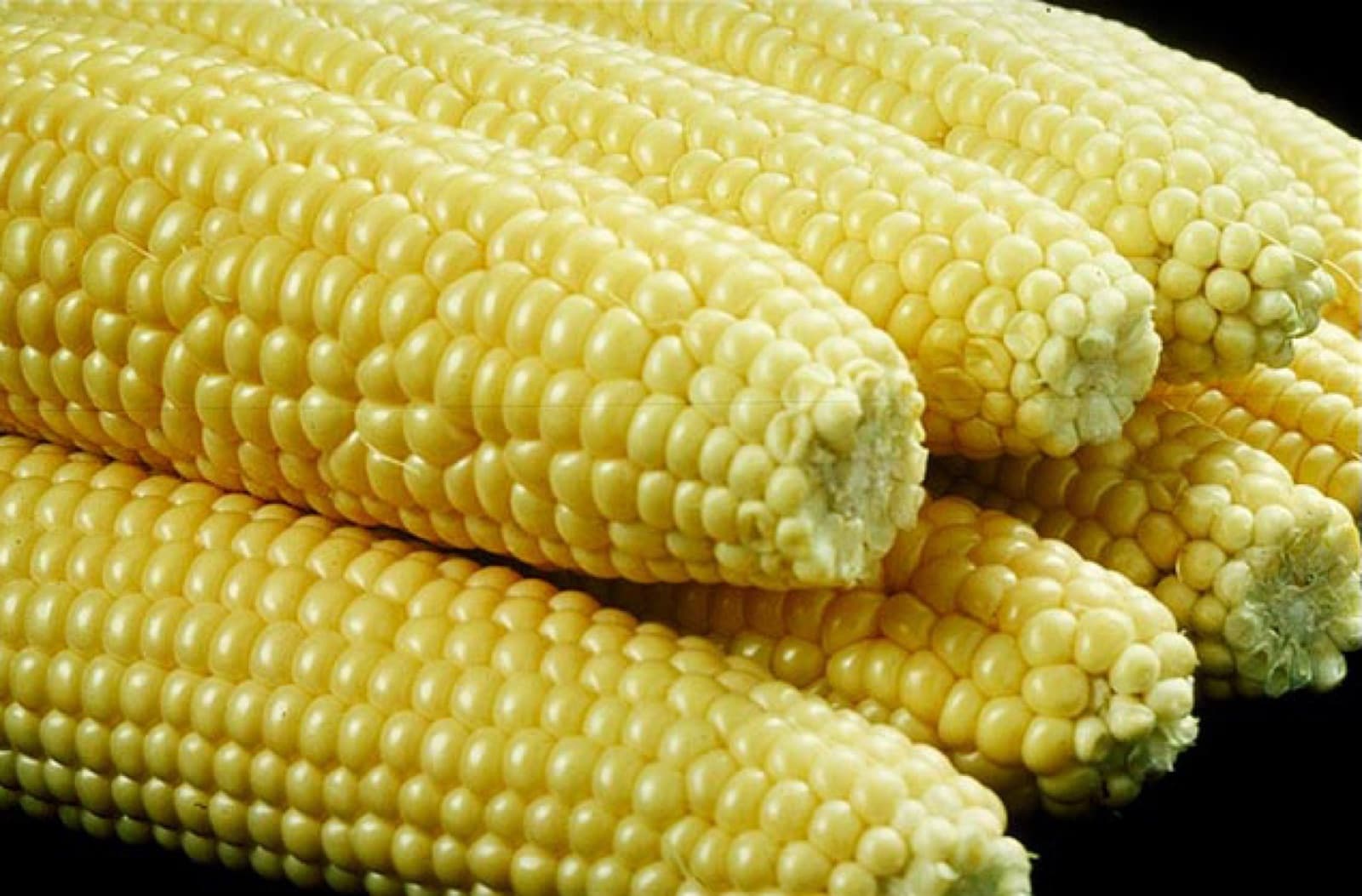
A grown-up corn plant is taller than most adults - usually around 2.5 metres. Each plant grows just one or two ears (the cob with the kernels on it). One ear has about 800 kernels, arranged in 16 neat rows. Each kernel is a single seed - if you planted one, it could grow into a whole new plant.
Corn is in more foods than you might think. Obviously, you can eat it straight off the cob with butter, or pop it into popcorn. But there is also cornflour for tortillas and tamales, cornmeal for cornbread, corn syrup in some sweets, and even corn used to feed chickens, pigs and cows. Many breakfast cereals are made of corn too.
The fields in the Corn Belt stretch as far as the eye can see. In late summer, the corn grows so tall that a child could walk between the rows and not be seen. Some American towns hold corn festivals to celebrate the harvest, with games, music and a lot of popcorn.