
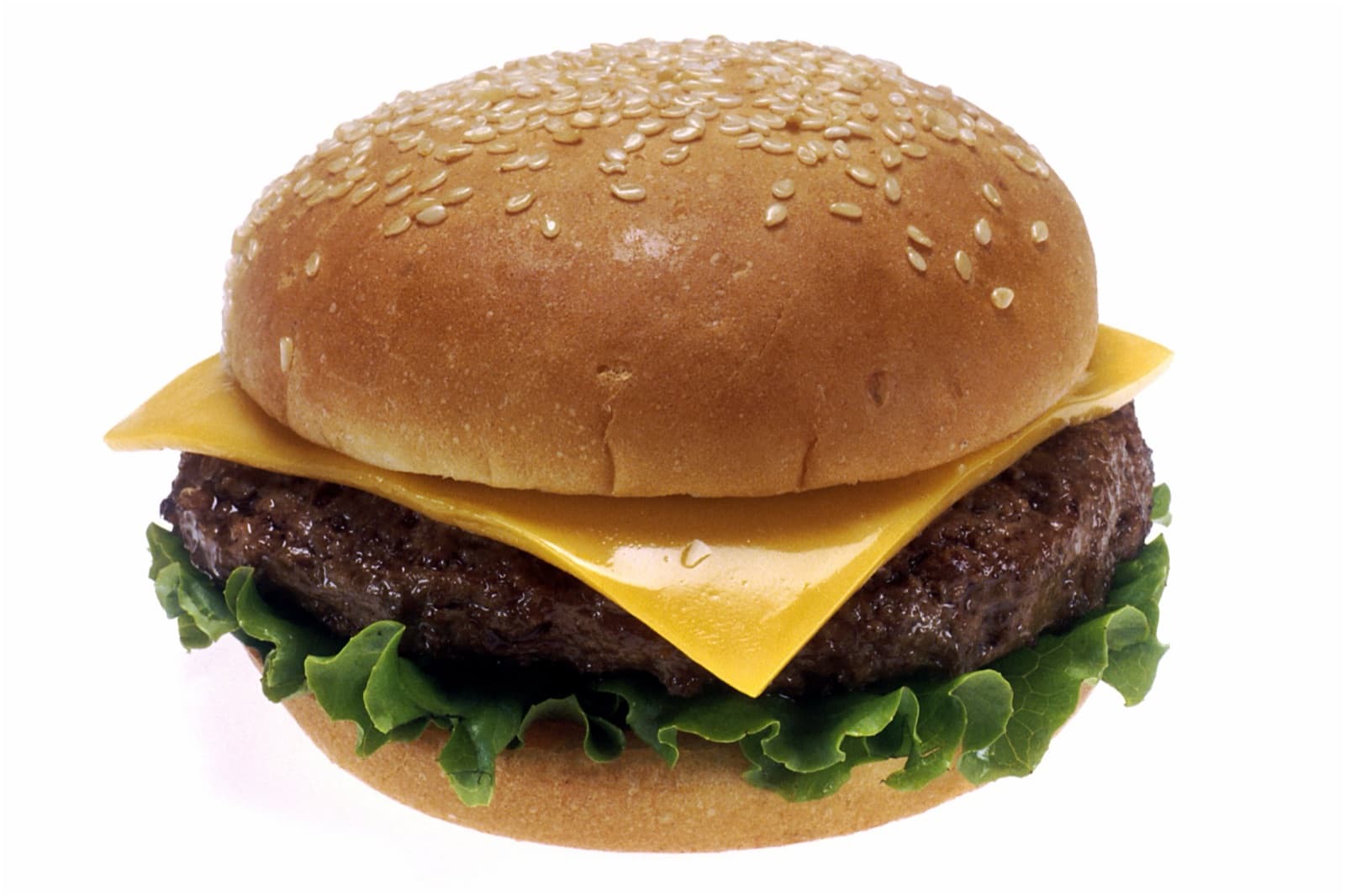
The name 'hamburger' comes from the German city of Hamburg, where people had been making minced-beef patties for a long time. German cooks who moved to America in the 1800s brought the idea with them. Someone (we're not totally sure who - several towns claim the honour) had the bright idea of putting the patty inside a soft bun, so you could eat it with your hands. The modern hamburger was born.
By the 1950s, the hamburger was everywhere in the US. Drive-in restaurants - where you parked your car and ate without getting out - served them by the millions. Big chains started up, and burgers became a quick, easy meal you could find in almost any town.
From America, the hamburger went global. Today you can buy a hamburger in Tokyo, Nairobi, São Paulo and Reykjavík - but it might come with very different toppings. In Japan you might find one with teriyaki sauce. In India many are made with chicken or paneer instead of beef. In Australia, a burger often has a slice of pickled beetroot. Every country has put its own spin on the same simple idea.
At home, you don't need much to make a burger: a piece of minced beef pressed into a flat round, cooked in a pan, and slid into a bun. Then come the choices - cheese, salad, sauces. Some people argue endlessly about the 'right' way to build one. The truth is there is no right way. The best burger is the one you like best.