
Classroom lesson · Food · 🇷🇸 Serbia

Proja - the cornmeal bread

A golden corn bread you can eat with almost anything

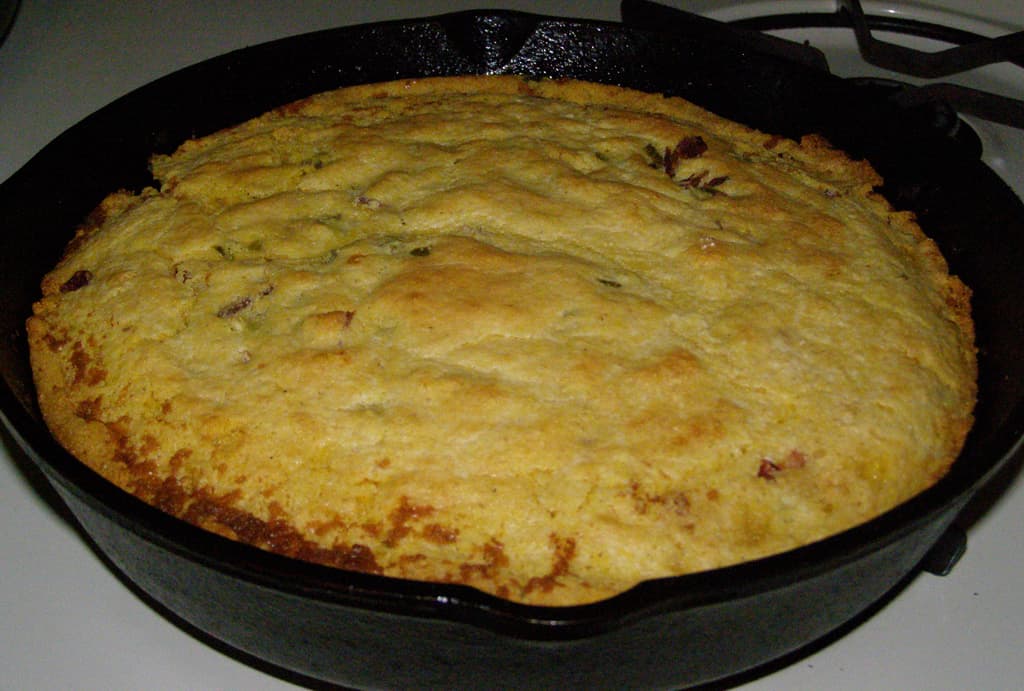
A square of golden proja Serbian cornbread on a wooden board

Photo · Wikimedia Commons

What is it?

Proja is a simple Serbian bread made from ground corn (cornmeal), eggs and milk or yoghurt, baked in a flat tray until it is golden on top and crumbly inside. It is bright yellow, slightly sweet, and goes with absolutely everything - cheese, ajvar, sarma, soups, vegetables, or just butter.

Tell me more

Proja has been baked in Serbian villages for hundreds of years. Long ago, corn grew well in the lowlands of Serbia even when wheat was harder to find. Cornmeal was cheap, easy to store and reliable - so proja became a daily bread for many families.

Modern proja recipes often add eggs, yoghurt, cheese or chopped spinach, which make it softer and more flavourful. Some are made with melted butter on top. The basic idea - cornmeal, baked, eaten warm - has stayed the same for generations.

Proja crumbles much more than wheat bread. You don't really slice it - you break it. Whole chunks of it go straight into a bowl of yoghurt, or into a stew, or onto a plate of cheese. The slightly grainy texture is part of its charm.

Proja is also gluten-free, because corn doesn't contain gluten. So Serbian families who can't eat wheat can still enjoy their traditional bread. Many other cultures around the world have a cornmeal bread too - cornbread in the United States, polenta in Italy, arepas in Venezuela. Corn travels.

In the classroom

Walk your class through this in 15 minutes.

Talk together

Discussion prompts

  1. 01Why do you think bread looks and tastes so different around the world?
  2. 02Corn started off in the Americas thousands of years ago. How might it have ended up as a Serbian bread?
  3. 03What is a bread that is important in your family? When do you eat it?
Try this

Classroom activity

On a world map, mark every cornmeal bread your class knows about - proja, cornbread, polenta, arepas, ugali, tortillas. Are they more common in some places? Why might that be?