
Classroom lesson · The Danube - Europe's great river · 🇷🇸 Serbia

The Danube - Europe's great river

A river that crosses ten countries and runs right through Belgrade

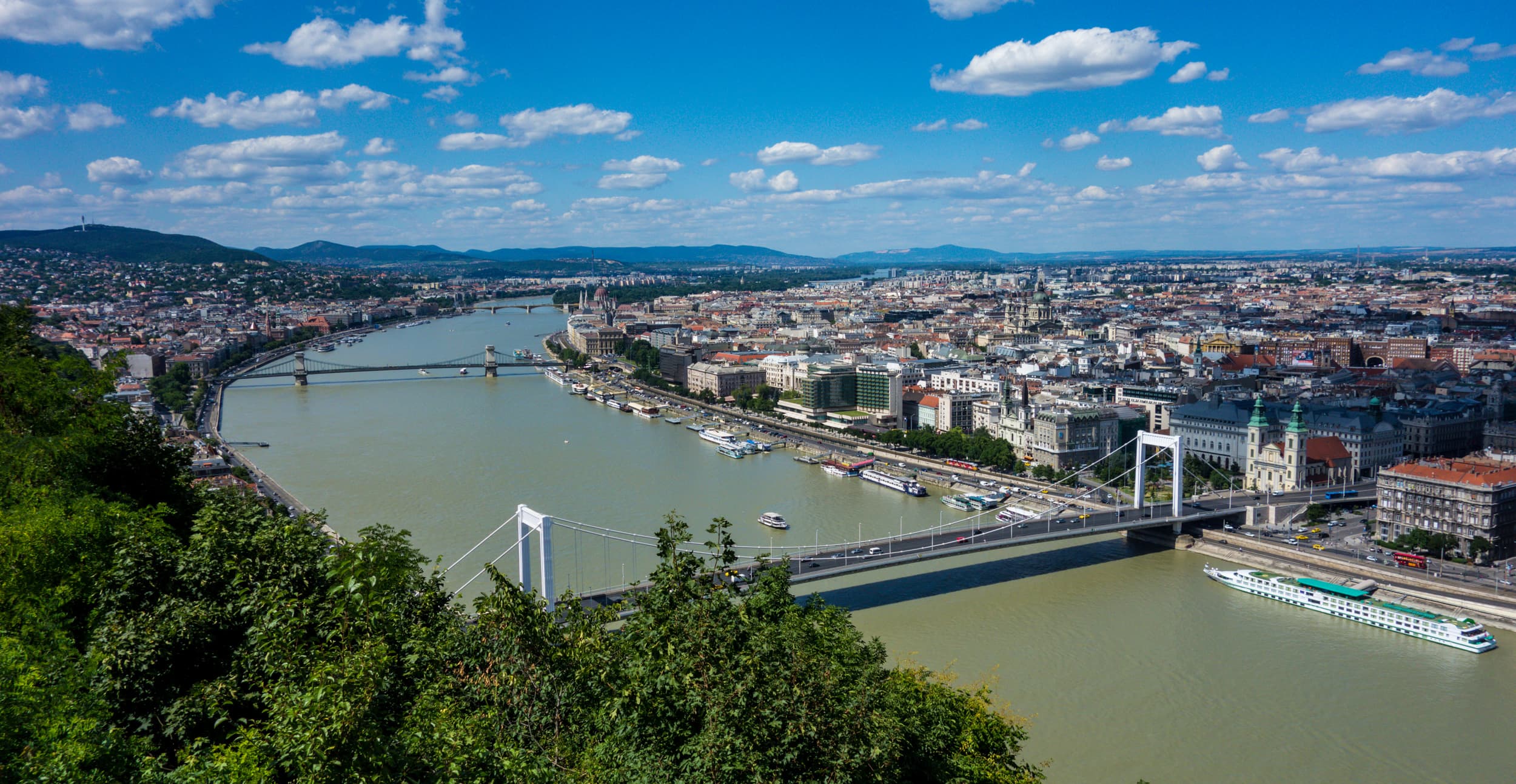
The Danube river curving through green hills in Serbia

Photo · Wikimedia Commons

What is it?

The Danube is the second-longest river in Europe, and one of the world's busiest. It runs for 2,850 kilometres from the mountains of Germany all the way to the Black Sea, passing through ten countries on the way. Serbia is one of them, and the river slides right through its capital city, Belgrade.

Tell me more

Imagine a river so long that it touches Germany, Austria, Slovakia, Hungary, Croatia, Serbia, Bulgaria, Romania, Moldova and Ukraine. That is more countries than most rivers in the world. Boats, barges and tourist ships chug along it every day, carrying goods and people between cities.

In Belgrade, the Danube meets a second big river called the Sava. The two rivers join right under an old hilltop fortress called Kalemegdan, where children fly kites and families walk along the walls at sunset. Standing up there, you can see both rivers stretching off in different directions.

Further east, the Danube squeezes through a narrow valley called the Iron Gates - a deep canyon where the river is hemmed in by tall limestone cliffs. The cliffs are home to eagles, and the rocks were carved with messages by people thousands of years ago.

The Danube is also a home to wildlife. Pelicans, herons and storks fish in its shallow side-channels. In winter, you can sometimes see ice floes drifting past Belgrade. In summer, swimmers jump in from floating rafts called 'splavs' that line the riverbanks.

In the classroom

Walk your class through this in 15 minutes.

Talk together

Discussion prompts

  1. 01What would it feel like to live next to a river that touches ten different countries?
  2. 02Why might rivers have been so important in deciding where cities got built long ago?
  3. 03If you could float down the whole Danube on a boat, which country would you most want to stop in?
Try this

Classroom activity

On a map of Europe, trace the Danube from Germany to the Black Sea. List every country it passes through. Then measure: how many of those countries' flags can your class draw from memory?