
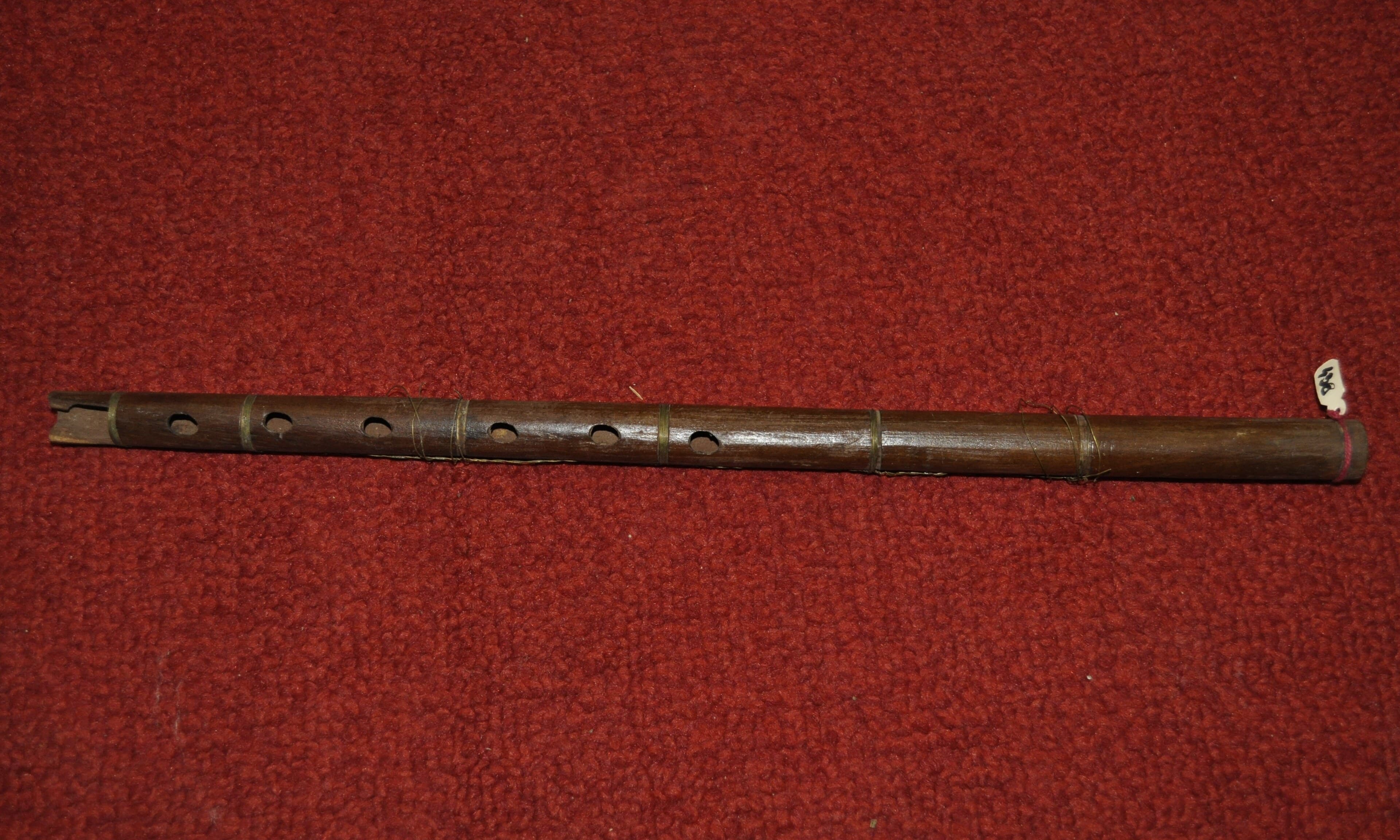
For centuries, frula players were shepherds. While their sheep grazed on a hillside, the shepherd would sit under a tree and play. The high, clear notes of the frula carry a long way across open valleys. Sometimes two shepherds on different hills would 'talk' to each other in tunes.
Each frula is a little different because every piece of wood is different. Players spend hours sanding, drilling and testing until the notes sound just right. Some craftspeople in Serbian villages still make frulas by hand the old way - it can take weeks for one good instrument.
Modern frulas can be very fancy. A famous Serbian musician called Bora Dugic plays the frula in concerts all over the world, often with full orchestras behind him. His tunes are sometimes happy, sometimes slow and a bit sad - but they always sound like they belong outdoors.
Children often learn frula at school, in folk music clubs, or from a grandparent. It is one of the easier traditional instruments to start with because it only has six holes. Six fingers, six holes - and a whole pile of tunes to learn.