
Classroom lesson · Music · 🇸🇳 Senegal

Mbalax - Senegal's dancing music

Fast drums, big bands, and Youssou N'Dour's home sound

Senegalese drummers performing on stage at a mbalax concert

Photo · Wikimedia Commons

What is it?

Mbalax (say 'em-bah-lah') is Senegal's most popular kind of music. It mixes the old drumming patterns of the sabar drum with modern guitars, keyboards and singing in Wolof. It is fast, layered, and impossible not to dance to. Senegal's most famous musician, Youssou N'Dour, is the king of mbalax.

Tell me more

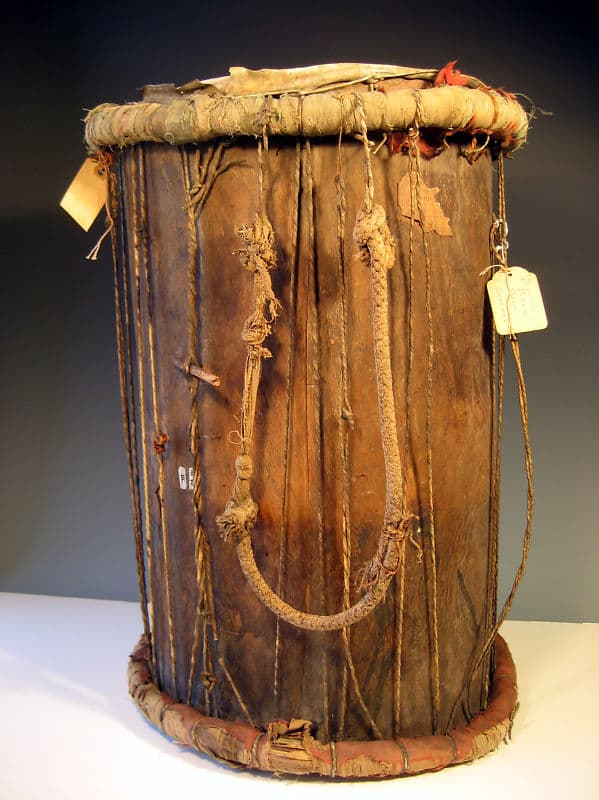
At the centre of mbalax is the sabar drum - a tall wooden drum that is played with one stick and one hand. Drummers can make the sabar 'talk' - changing the pitch and rhythm to copy the sound of human speech. In old Senegalese tradition, drummers used to send messages between villages this way.

A mbalax band usually has several drummers, several singers, guitars, keyboards, and sometimes a horn section. The drums lead. The other instruments answer them. Songs often start slow and then speed up faster and faster until everyone in the room is dancing.

Youssou N'Dour, born in Dakar in 1959, took mbalax around the world. He has sung with Peter Gabriel and Neneh Cherry, and his song '7 Seconds' was a huge hit. He still lives in Dakar and runs his own recording studio there.

Mbalax is everywhere in Senegal - at weddings, at family parties, at school dances, on every taxi radio. It is danced in a particular way too, with quick, sharp foot movements that follow the drum patterns. Children pick it up before they can read.

In the classroom

Walk your class through this in 15 minutes.

Talk together

Discussion prompts

  1. 01Why might a drum be able to copy the sound of a voice? Have you heard music that sounds like talking?
  2. 02Mbalax songs speed up until everyone dances. What's the music that always makes you want to move?
  3. 03Youssou N'Dour stayed in Dakar even when he was world-famous. Why do you think people stay where they grew up?
Try this

Classroom activity

Sit in a circle and pass a 'drum message' round, just by clapping or tapping. Each person changes the rhythm slightly before passing it on. By the time it comes back, has it changed? Try clapping a fast 'mbalax' rhythm and dancing to it.