
Classroom lesson 路 Wildlife馃嚨馃嚬 Portugal

The Iberian lynx

One of the rarest cats in the world, with tufty ears and a stubby tail

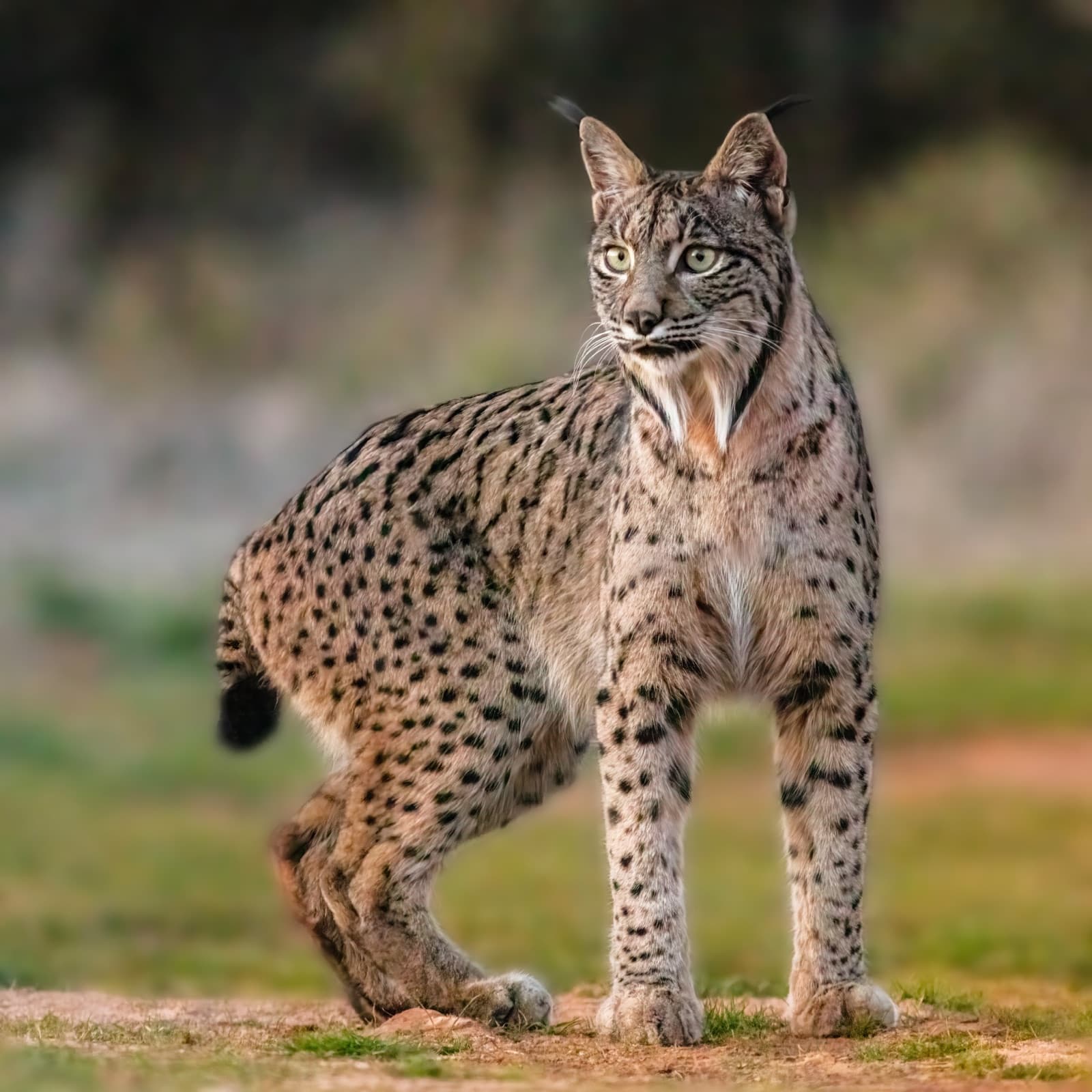
An Iberian lynx with spotted fur and tufted ears in Portuguese scrubland

Photo 路 Wikimedia Commons

What is it?

The Iberian lynx is a wild cat that lives only in Portugal and Spain - nowhere else on Earth. It has spotted golden fur, pointy ears with little black tufts on top, and a short stubby tail. About 20 years ago it was almost extinct. Today, it is slowly making a comeback.

Tell me more

An Iberian lynx is about the size of a medium dog - much smaller than a leopard but bigger than a house cat. It hunts mainly one thing: wild rabbits. A single lynx can eat one a day. When the wild rabbits became sick in Spain and Portugal, the lynx almost disappeared too, because they had nothing to hunt.

Scientists and conservationists set up big projects to help the lynx. They bred lynx kittens in special centres, then released them carefully into wild scrubland and cork oak forests. They also worked to bring the rabbits back, by planting wild bushes and making safe burrows.

It worked. In 2002, there were fewer than 100 Iberian lynx alive in the whole world. By 2024, there were more than 2,000. It is one of the biggest comeback stories in nature.

Iberian lynx are shy. You almost never see one in the wild - they hunt at dawn and dusk and hide in the day. But hidden cameras in Portuguese cork oak forests sometimes catch them slinking through. Each lynx has its own pattern of spots, so scientists can tell who is who.

In the classroom

Walk your class through this in 15 minutes.

Talk together

Discussion prompts

  1. 01Why might it be a problem for one animal if another animal disappears?
  2. 02What was the most important thing the scientists did to help the lynx come back?
  3. 03What animals in your country need help to stay safe?
Try this

Classroom activity

Draw your own Iberian lynx, then add a unique spot pattern. Hold all the drawings up at the front of the class. Try to spot your own among them - just like scientists do when they read camera-trap photos.