
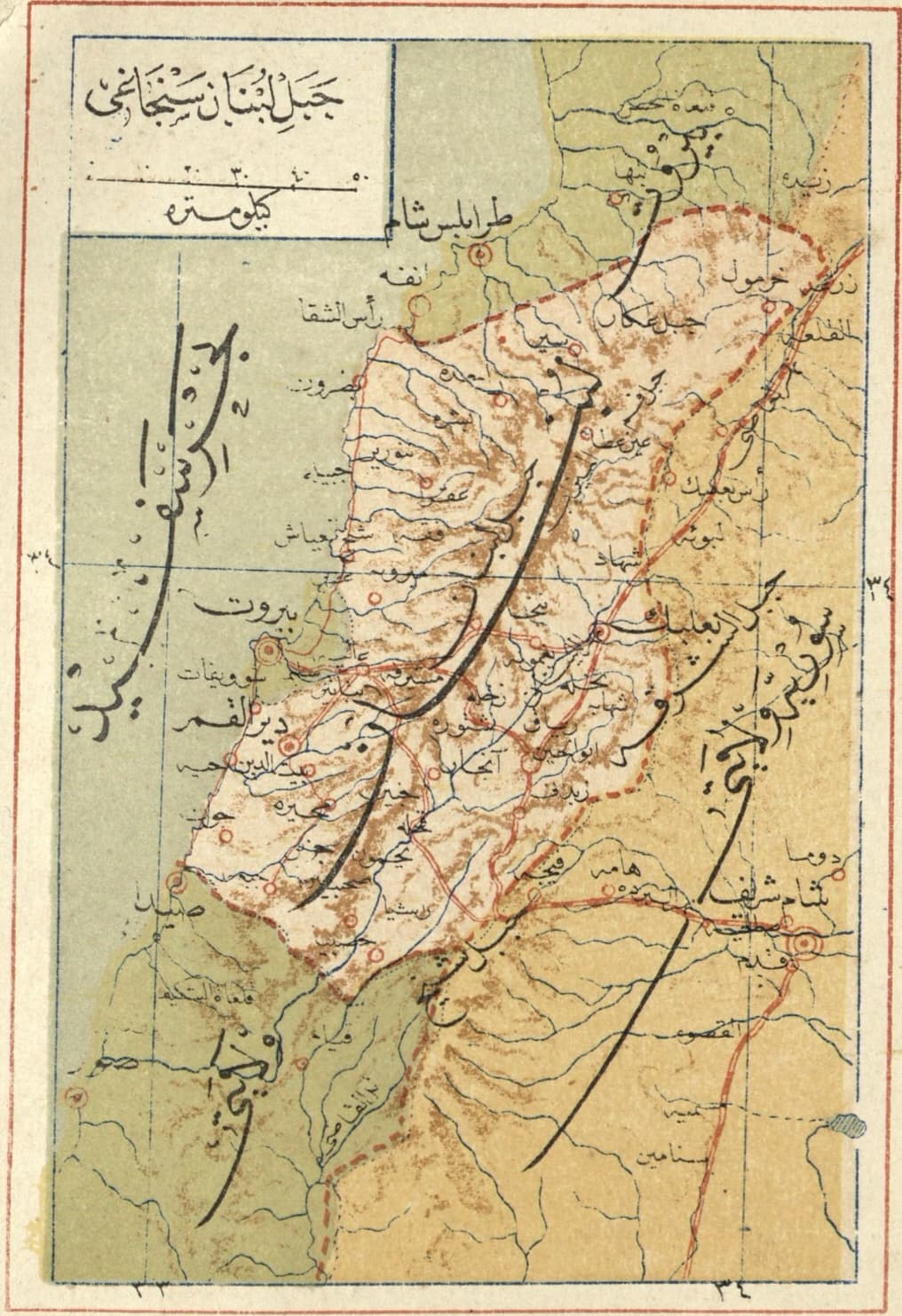
The mountain range is about 170 kilometres long and runs from north to south. From up high you can see snow on the peaks, green orchards on the slopes, red-roofed villages further down and the deep blue sea right at the edge. All four of those landscapes fit into about 50 kilometres.
In the winter, the high parts of Mount Lebanon are covered in snow. There are six ski resorts. Children from coastal towns like Beirut sometimes go up for the weekend, see snow for the first time, and then drive home through orange groves in the warm sunshine. Even the name 'Lebanon' comes from an old word for 'white' - because of the snow on the mountain tops.
Lower down, the slopes are full of farms. Lebanese farmers grow apples, peaches, cherries, grapes and olives on terraces - flat steps cut into the mountainside so the rain doesn't wash the soil away. Some terraces have been there for hundreds of years.
The mountains are also full of trees, springs and small waterfalls. There is a famous valley called the Qadisha Valley (the 'Holy Valley'), with a fast river running along the bottom and old monasteries built into the rocky cliffs above. Hiking the valley is one of Lebanon's favourite day trips.