
Classroom lesson · Wildlife · 🇮🇶 Iraq

The Sand Cat

A tiny wild cat perfectly built for life in the desert

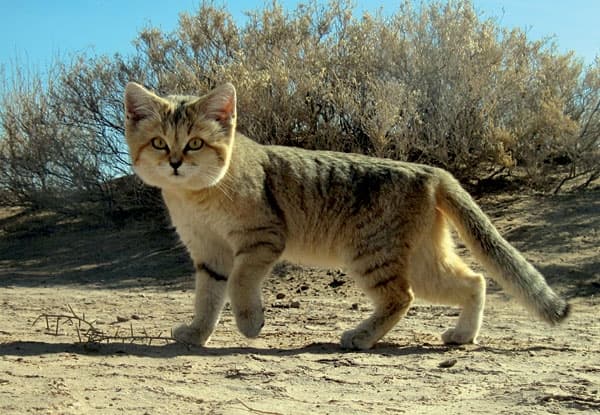
A sand cat sitting in golden desert sand, its large ears alert and golden eyes wide

Photo · Wikimedia Commons

What is it?

The sand cat is the only wild cat that lives primarily in deserts, and it can be found in the western deserts of Iraq. It looks a bit like a small domestic tabby cat, but it has oversized ears, thick paw pads, and a remarkable ability to survive without drinking water for weeks at a time.

Tell me more

Sand cats are small - about the size of a domestic cat - with sandy-coloured fur that blends perfectly into the desert around them. Their extra-large ears do two important jobs: they help the cat hear small animals moving under the sand, and they release body heat to keep the cat cool in the blazing desert sun.

One of the most amazing things about sand cats is that they can survive in both scorching heat and freezing cold desert nights. Their thick paw pads protect them from hot sand and help muffle the sound of their footsteps when they are stalking prey - they are incredibly stealthy hunters.

Sand cats get most of the water they need from the animals they eat - lizards, small rodents, and insects. They rarely need to drink from a puddle or stream, which means they can survive in areas where no surface water exists at all. Their kidneys are specially adapted to conserve water.

These little cats are mostly active at dawn and dusk to avoid the worst of the desert heat. During the hottest part of the day, they rest in burrows dug into the sand. Despite their fierce hunting skills, sand cats are very quiet and secretive - spotting one in the wild is a rare and special treat.

In the classroom

Walk your class through this in 15 minutes.

Talk together

Discussion prompts

  1. 01The sand cat has huge ears - what are two different reasons why big ears are useful in a desert?
  2. 02How is getting water from food instead of streams an amazing adaptation?
  3. 03What other desert animals can you think of that have clever ways of surviving in the heat?
  4. 04If you were going on a night-time walk in the Iraqi desert, what might you see or hear?
Try this

Classroom activity

Compare the sand cat to a domestic pet cat. Draw two side-by-side outlines of a cat. On one, label the sand cat's special desert features (big ears, thick paw pads, sandy coat, small size). On the other, label a pet cat's features. Write one sentence comparing the two.