
Classroom lesson 路 Wildlife馃嚜馃嚞 Egypt

The fennec fox

The smallest fox in the world, with enormous ears

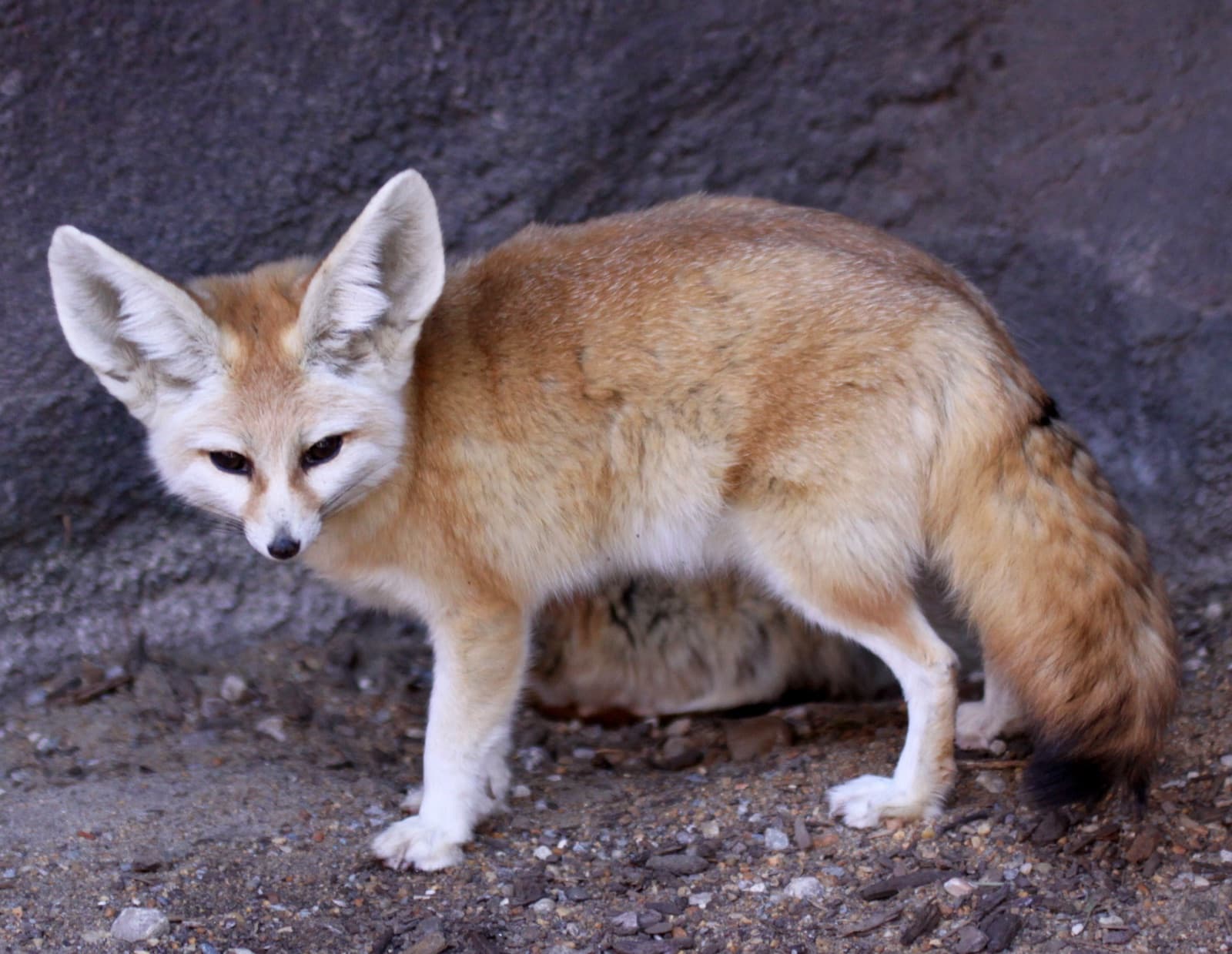
A fennec fox with very large ears standing in the desert

Photo 路 Wikimedia Commons

What is it?

The fennec fox is the smallest fox in the world - small enough to sit comfortably on your lap. It lives in the Sahara Desert, including parts of Egypt. Its most famous feature is its ears: enormous, taller than its face, and packed with secret superpowers.

Tell me more

A fennec fox weighs only about 1.5 kilograms - less than a bag of sugar. Its ears can be 15 centimetres tall, almost as long as the fox itself. They are not just for show. They can hear insects walking underground. They also work like radiators, letting heat out of the body so the fox stays cool in the desert.

Fennec foxes are nocturnal, which means they sleep during the day and come out at night when the desert is cooler. They dig burrows up to 10 metres long in the sand. The burrow stays cool in the day and warm at night - a perfectly air-conditioned home.

They eat almost anything: insects, lizards, small mammals, eggs, fruit, even roots. They almost never need to drink water. They get nearly all the water they need from the food they eat - their bodies are that efficient.

Fennec foxes are very social. They live in small family groups of around ten foxes. They yip, chirp, purr and bark to each other. Their fur is creamy-sand coloured to match the desert - a natural camouflage against the dunes.

In the classroom

Walk your class through this in 15 minutes.

Talk together

Discussion prompts

  1. 01Why might it help a desert animal to have huge ears? What do ears do besides hear?
  2. 02If you could choose one animal superpower for hot places, what would it be?
  3. 03Fennec foxes sleep all day and come out at night. What might be the advantages of being nocturnal?
Try this

Classroom activity

Compare ears. Print pictures of a fennec fox, a red fox, an Arctic fox, and a desert hare. Measure each ear with a ruler. Plot them on a chart. Discuss: is there a pattern between where an animal lives and the size of its ears?