
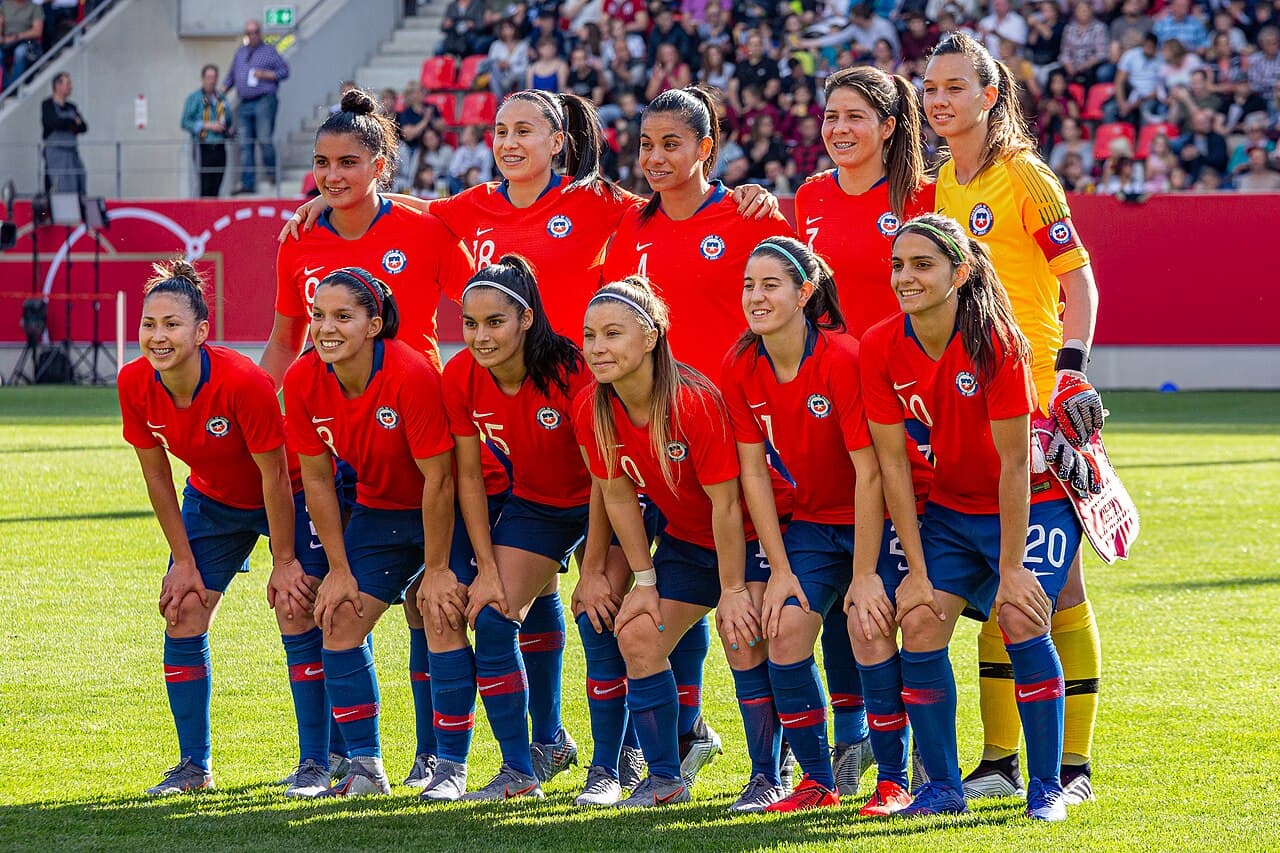
Football arrived in Chile in the late 1800s, brought by British sailors and workers who came to help build railways and ports. Local Chileans took to the game immediately and within a few decades it had spread to every part of the country. Today, Chile's professional league - the Primera División - is one of the oldest football leagues in South America.
La Roja has a proud football history. The team finished third at the 1962 World Cup, which was held in Chile - one of the most successful results the country has ever achieved. More recently, Chile won the Copa América (South America's continental championship) in 2015 and 2016, two years in a row. Those victories were celebrated with street parties across the entire country.
Chilean children grow up playing football in school playgrounds, parks and streets. The small-sided street version of the game - played in tight spaces with makeshift goals - is called 'baby fútbol' and has its own leagues and competitions. Many professional Chilean players learned the game this way, developing quick touches and close ball control.
Football in Chile is about much more than the game itself. It brings together families, neighbourhoods and communities. Going to a match - particularly a local rivalry between city clubs - is a loud, colourful, shared experience with singing, flags and scarves. Even in the smallest village, the football pitch is often the centre of community life.