
Classroom lesson 路 Music馃嚮馃嚜 Venezuela

Joropo - the music and dance of the plains

Fast, foot-stamping music with harps, four-string guitars and maracas

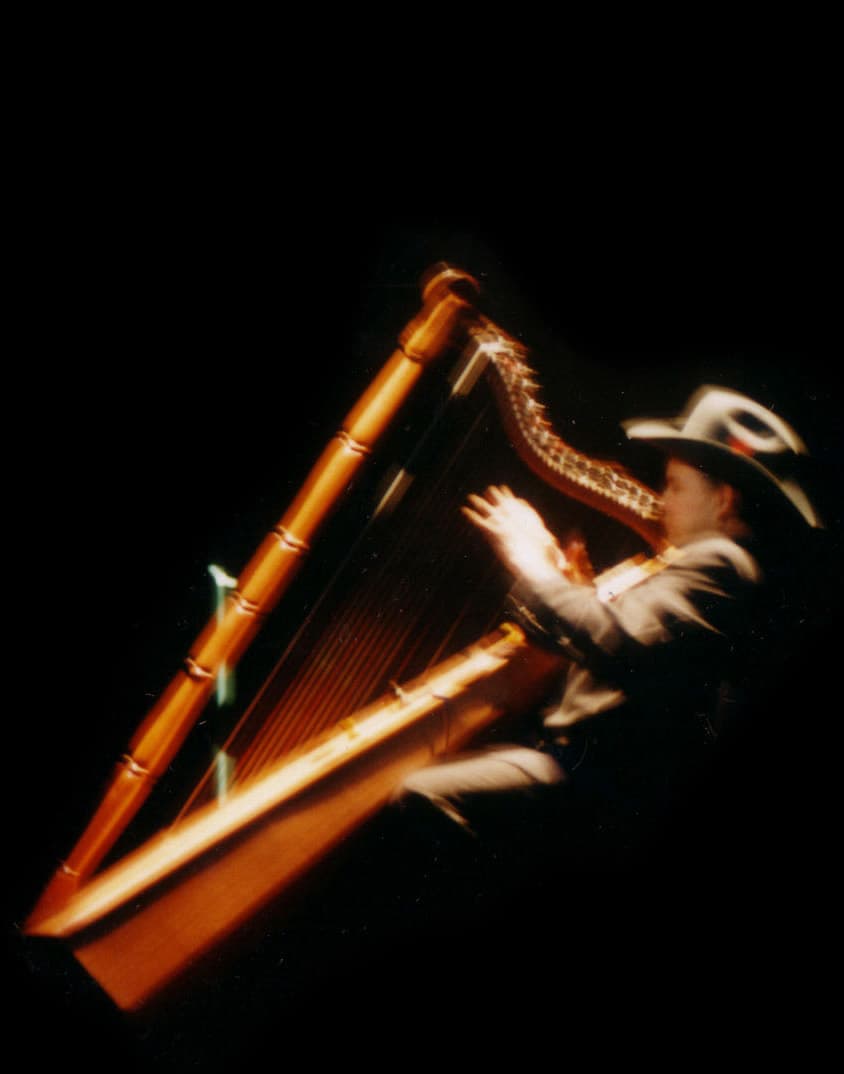
A llanero musician playing a Venezuelan harp

Photo 路 Wikimedia Commons

What is it?

Joropo is the traditional music of the llaneros - the cowboys of Los Llanos - and it has become the national music of Venezuela. It is fast, exciting and made for dancing. The main instruments are a harp (yes, like an orchestra harp, but smaller and louder), a small four-string guitar called the cuatro, and a pair of maracas.

Tell me more

Joropo started on the cattle ranches of Los Llanos hundreds of years ago. Cowboys would play after a hard day's riding, around an open fire, with whatever instruments they had. Over time the style spread to towns and cities, and now it is heard at festivals all over Venezuela.

The harp is the star instrument. A Venezuelan joropo harp has 32 or 33 nylon strings, and a skilled harpist can play it incredibly fast - both hands flying across the strings. The harpist plays a long melody with one hand while the other hand keeps a rhythm low down.

The cuatro is named that because it has four strings ('cuatro' is Spanish for 'four'). It is small enough to carry on horseback. The player strums fast complicated patterns that drive the dance forward. Maracas - hollow gourds filled with seeds - keep the beat.

Joropo dancers move in pairs, with the man stomping his heels on the ground in a quick complicated pattern, and the woman gliding and spinning around him. The dance is full of energy. Many Venezuelan children learn it at school, especially around Tradition Day in late January.

In the classroom

Walk your class through this in 15 minutes.

Talk together

Discussion prompts

  1. 01A lot of national music started among working people - cowboys, fishermen, farmers. Why do you think that is?
  2. 02Joropo uses a harp, normally seen in classical orchestras. Why might it sound surprising to hear a harp playing fast cowboy music?
  3. 03Some dances are very fast and some are very slow. Which do you like to do? Why?
Try this

Classroom activity

Listen to a short clip of joropo music (with the teacher's help). Try clapping along. Then split the class in half - one half claps a slow steady beat, the other claps double-time on top. Can you keep both going at the same time? That is the joropo feel.