
Why does Emmental have holes? It comes down to tiny, helpful microbes - far too small to see - that live in the milk. As the cheese sits to mature, the microbes give off a little bubble of gas (the same kind you breathe out). Each bubble gets trapped in the cheese and slowly grows into one of those famous round holes. The bigger the hole, the older the cheese.
Swiss cheese starts as fresh, creamy milk from cows that often spend their summer in high Alpine meadows. The milk is gently warmed in a giant copper pot, then a special ingredient is added that turns the milk into solid lumps called 'curds'. The curds are pressed into round moulds that look like giant wheels.
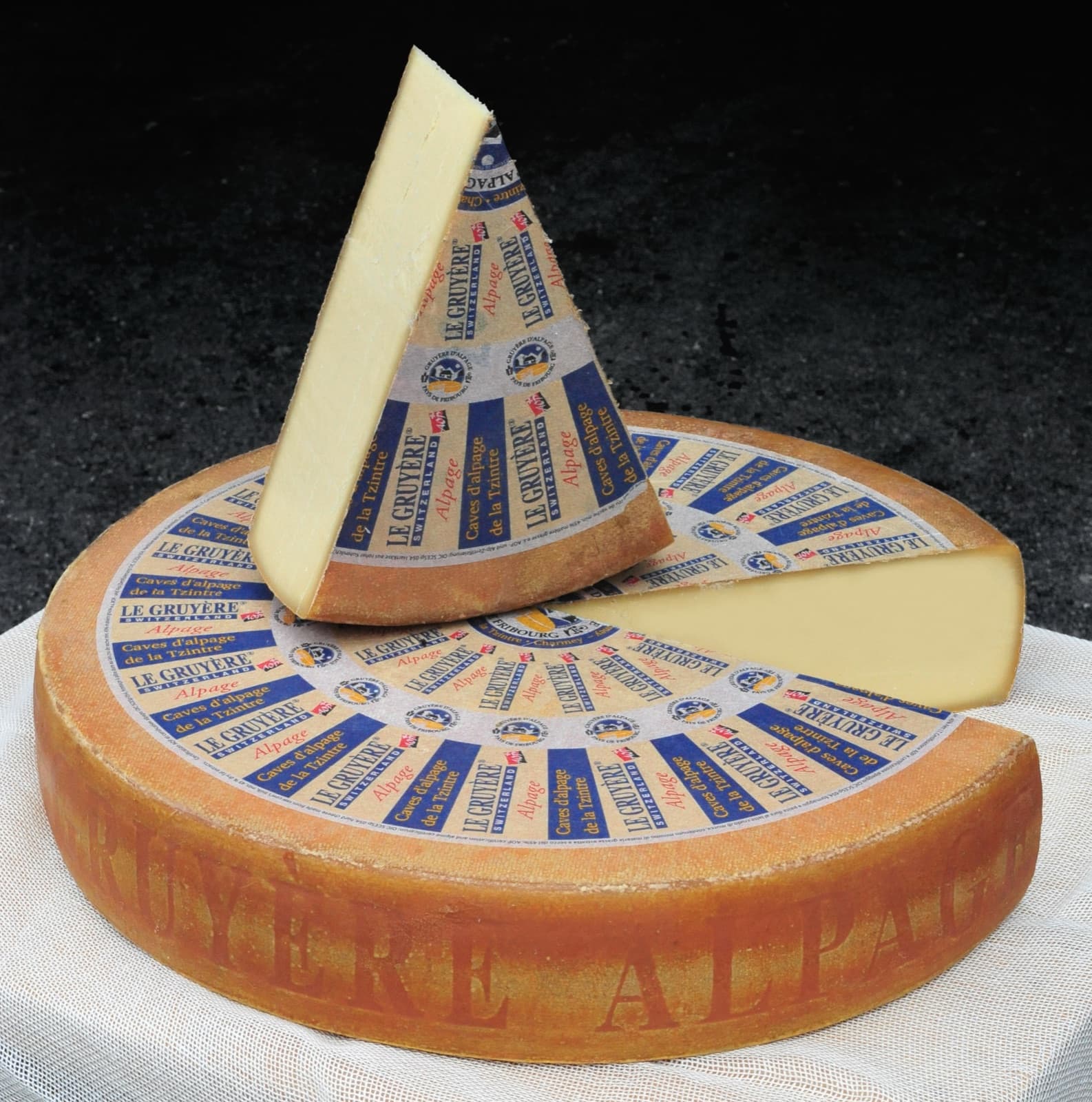
A wheel of Gruyère can weigh up to 35 kilograms - about the weight of a 9-year-old. The wheels are then stored in cool cellars for months - sometimes years - to mature. The longer they wait, the stronger the flavour. A wheel of Gruyère might be turned over once a week by hand for two whole years before it is sliced and eaten.
There is a famous Swiss tradition called the 'Alpabzug', the autumn parade. At the end of the summer, the herders walk their cows back down from the high Alpine pastures. The cows wear flowers and bells, and the whole village comes out to greet them - because those cows have spent the summer making the milk that will become next year's cheese.