
Tulips first grew wild in the mountains of Central Asia. They were brought to the gardens of Turkish sultans, and from there a Dutch ambassador took some bulbs back to the Netherlands. The flat, sandy Dutch soil turned out to be perfect for them.
In the 1630s, the Dutch went tulip-crazy. People got so excited that bulbs started selling for amazing amounts of money. A single rare bulb could cost more than a canal house in Amsterdam - the kind of building a whole family would live in. This time is called 'Tulip Mania'. People still talk about it 400 years later as one of the funniest mix-ups in history.
Today the Netherlands grows over 4 billion tulip bulbs every year - more than half of all the tulips in the world. From a plane, the bulb fields look like a giant stripy patchwork quilt of every colour you can imagine.
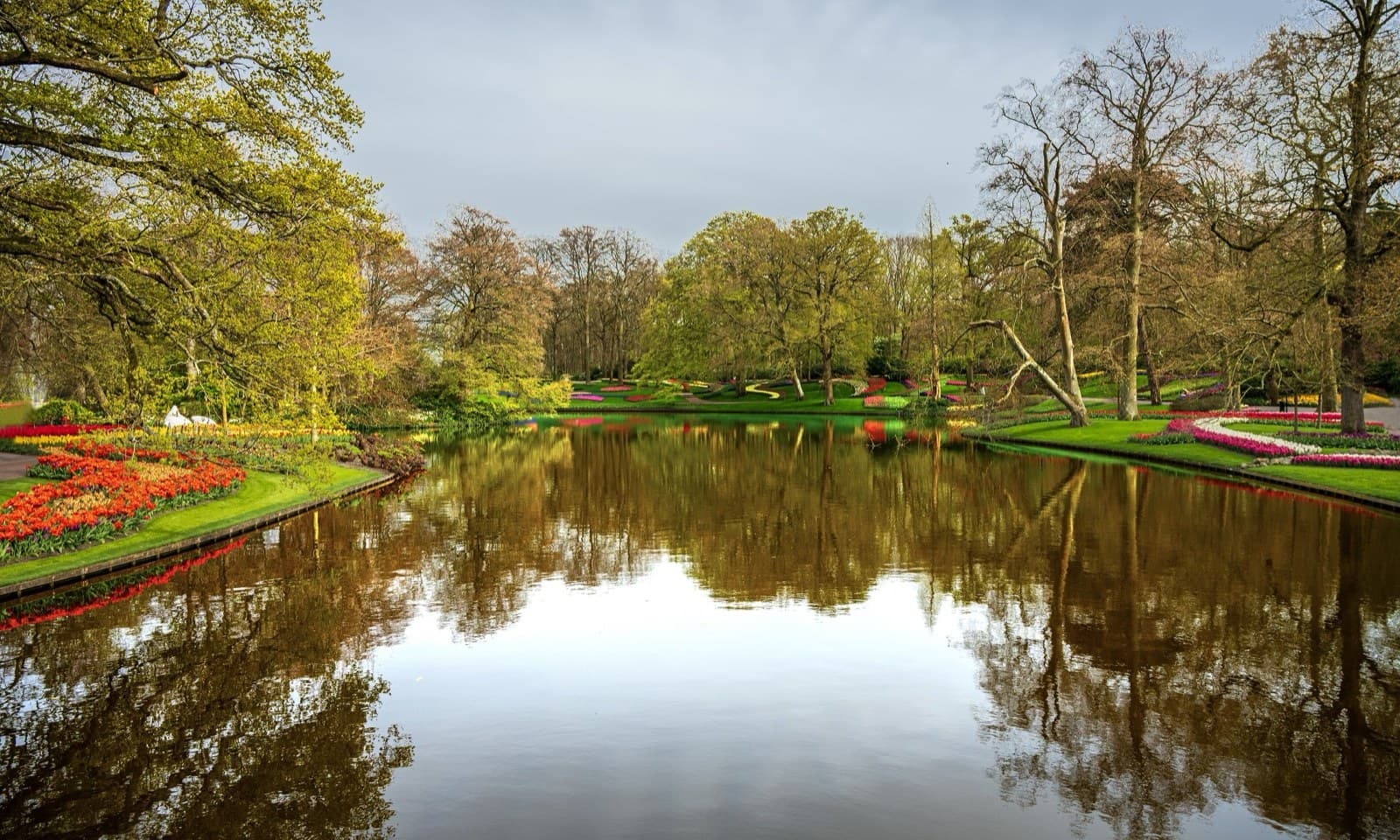
The most famous flower garden is called Keukenhof. It opens for only eight weeks each spring, and gardeners plant about seven million bulbs by hand. A bulb is the little brown onion-shaped thing the flower grows out of - they have to be planted one by one.