
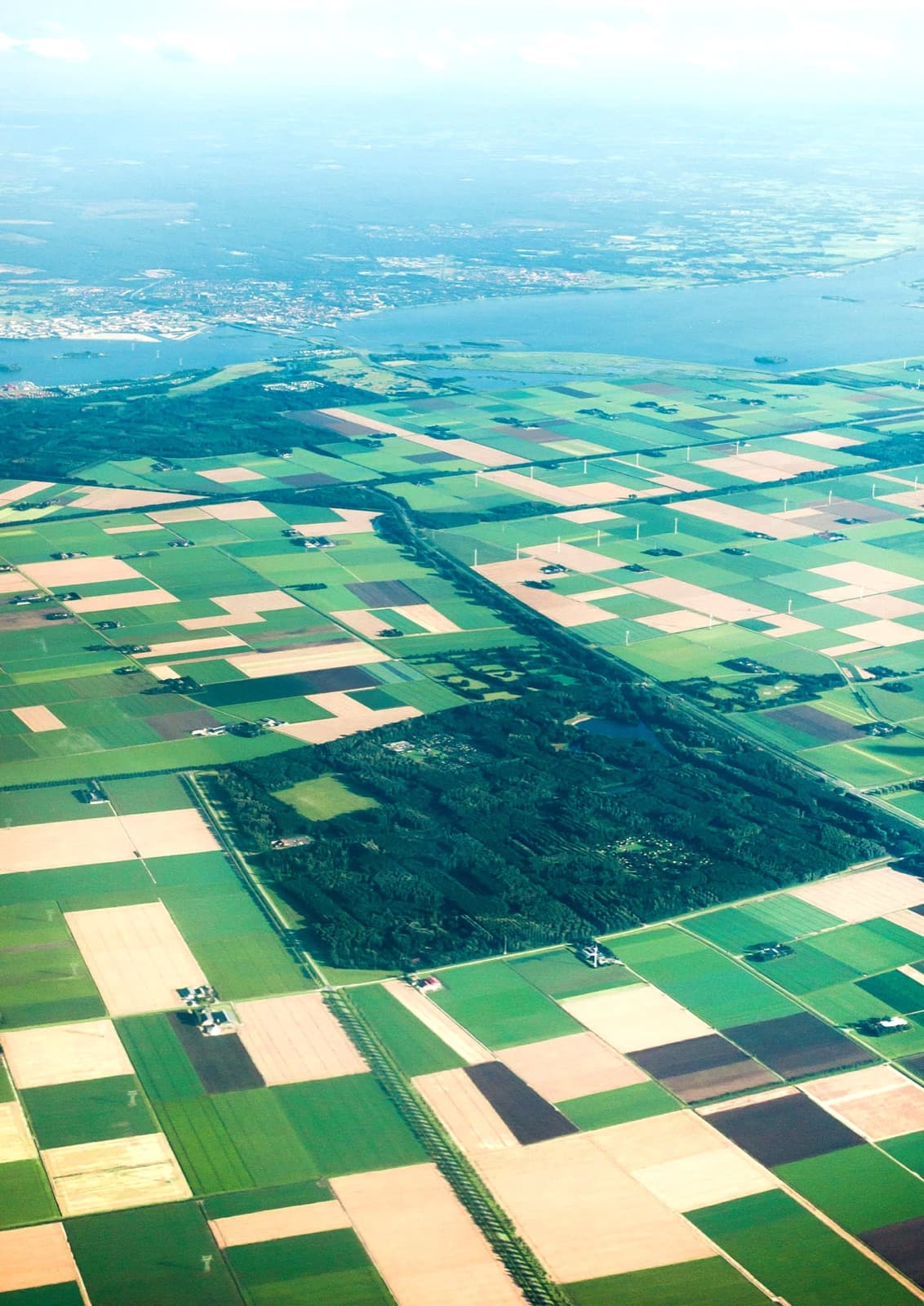
Imagine the bath in your house. Now imagine the bath is full of water. If you took a piece of land - say a kitchen table - and lowered it to the bottom of the bath, then built a wall around it and pumped all the water out, you would have a dry table at the bottom of a full bath. That is exactly what a Dutch polder is.
The lowest spot in the Netherlands is nearly 7 metres below sea level - about as deep as a house is tall. The highest spot is only about 320 metres above sea level. Most of the country is flat as a pancake.
To keep the water out, the Dutch built enormous sea walls and gates. The Delta Works in the south-west are some of the biggest in the world. The largest gate is wider than the Eiffel Tower is tall. The gates stay open most of the time, but when a really big storm comes, they close, and the country stays dry.
Dutch children grow up understanding water in a way most children don't. They learn early how a polder works, how a dyke works, and why looking after the water is everyone's job. The country's water boards are even older than the national government - some have been making decisions about water for over 700 years.