
Classroom lesson · Khövsgöl Lake · 🇲🇳 Mongolia

Khövsgöl Lake

Mongolia's 'Blue Pearl' - one of the clearest lakes in the world

Deep blue Khövsgöl Lake reflecting pine-covered mountains under a bright sky

Photo · Wikimedia Commons

What is it?

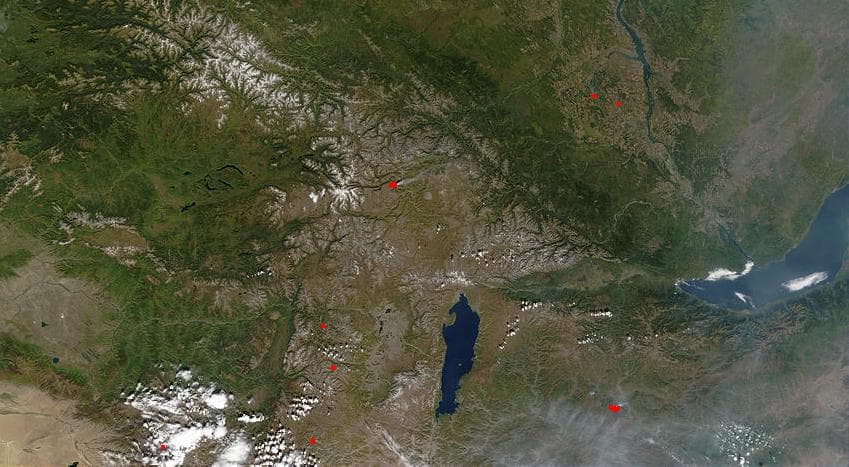
Khövsgöl Lake in northern Mongolia is nicknamed the 'Blue Pearl' because its water is so pure and deep blue you can see the bottom many metres down. It is the largest freshwater lake in Mongolia and holds about 2 percent of all the fresh water in the world. The lake sits surrounded by pine forests and snow-capped mountains close to the border with Russia.

Tell me more

Khövsgöl is one of the oldest and deepest lakes on Earth - about 2-3 million years old and up to 262 metres deep. In winter the entire surface freezes solid and becomes thick enough to drive trucks across it. Local people even hold ice festivals on the lake, with dog-sled races, ice-skating and ice-fishing.

The lake is home to many fish, including the enormous Siberian taimen - a type of trout that can grow as long as a person. Around the shores, reindeer herders called the Tsaatan (or Dukha) people live in tepee-like homes and herd their reindeer through the forest. Their way of life is one of the most unique in all of Asia.

Khövsgöl is so clean that local people have drunk its water straight for centuries. Today it is carefully protected, and motor boats are limited to keep the water pure. Visitors come to kayak, horse-trek along the forested shores and watch the extraordinary sunsets that turn the lake every shade of orange and pink.

In the classroom

Walk your class through this in 15 minutes.

Talk together

Discussion prompts

  1. 01Why is clean fresh water so important? Where does your own drinking water come from?
  2. 02The lake freezes solid in winter. Can you imagine what it feels like to walk or drive on a frozen lake?
  3. 03The Tsaatan people herd reindeer instead of horses or cows. What might be the advantages of reindeer in a cold, forested place?
Try this

Classroom activity

Research one animal or plant that lives in or around Khövsgöl Lake. Draw it carefully and write a 'wildlife fact file' with five things you have found out. Share with the class to create a lake ecosystem display.