
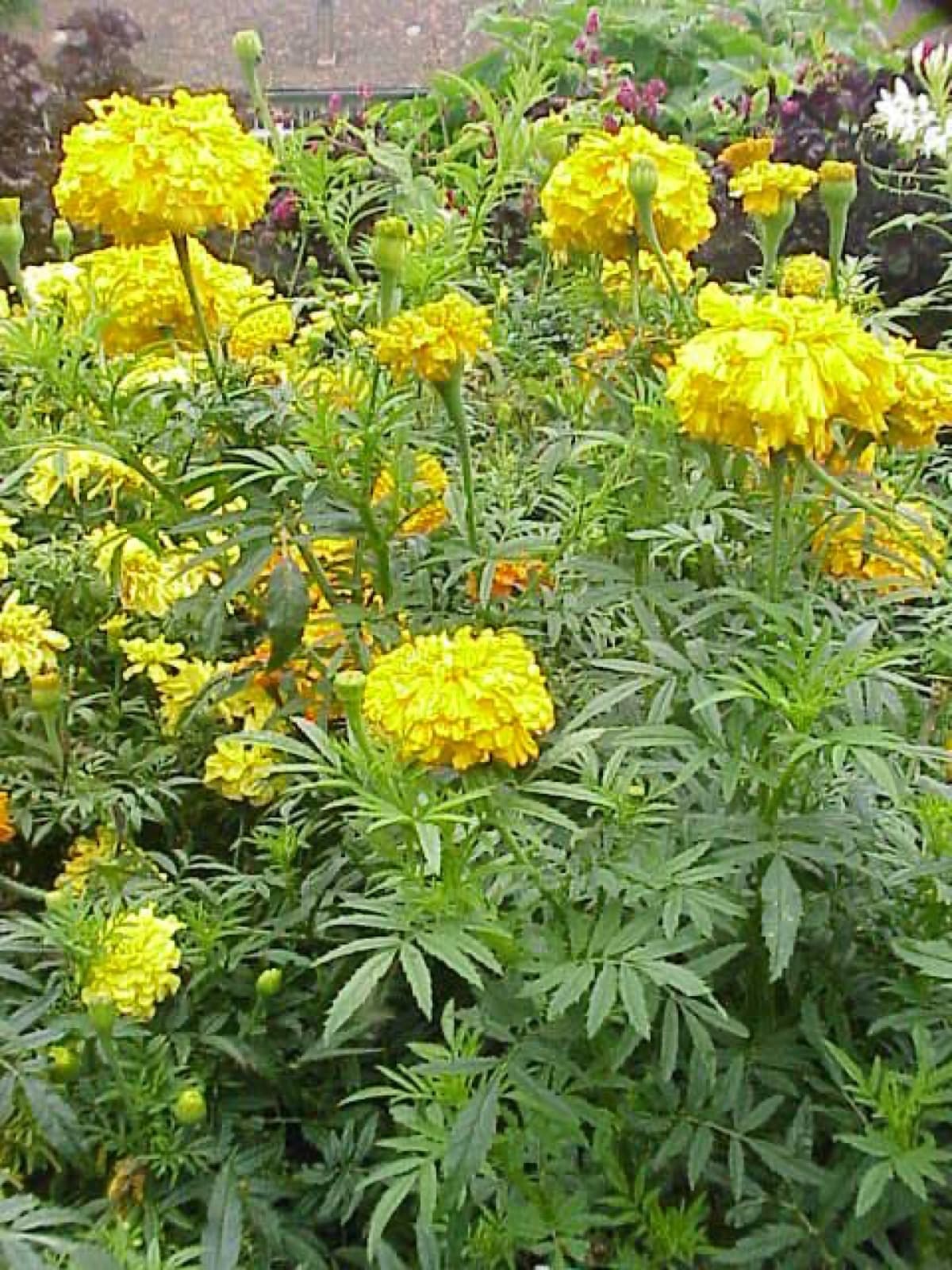
Families decorate together. The big symbol of the celebration is the marigold - a sunny orange-and-yellow flower called cempasúchil in Mexico. Streets, doorways and balconies are covered in marigold petals so everywhere you look it feels like sunshine.
Sugar skulls, called calaveras, are made as decorations and sweets. They are brightly painted - pink, blue, yellow, green - and often have someone's name written across the forehead in icing. Children swap them like friendship bracelets. They are treats, not anything scary.
Special bread called pan de muerto - 'bread of the dead' - is baked at this time of year. It is round, soft, sweet, and dusted with sugar. Families also share favourite meals together: tamales, hot chocolate, mole. It is one of the biggest food parties of the year.
Music plays everywhere. Mariachi bands stroll through streets, painted faces are everywhere, and many cities hold huge parades with dancers in dazzling costumes. UNESCO calls Día de los Muertos a 'masterpiece of cultural heritage' - one of the world's most important celebrations.