
Chocolate begins as a seed inside a colourful pod that grows on the cacao tree. Each pod is the size of a large mango, with around 30 to 40 seeds inside, surrounded by sweet white pulp. The seeds (the 'beans') are taken out, dried in the sun, and roasted - and that is what becomes chocolate.
The Maya called their drink xocolatl, which means 'bitter water'. It was thick, frothy, and nothing like the sweet bar in your hand today - they drank it spicy, with chilli and corn. It was so special that cacao beans were used as money in markets across Mexico.
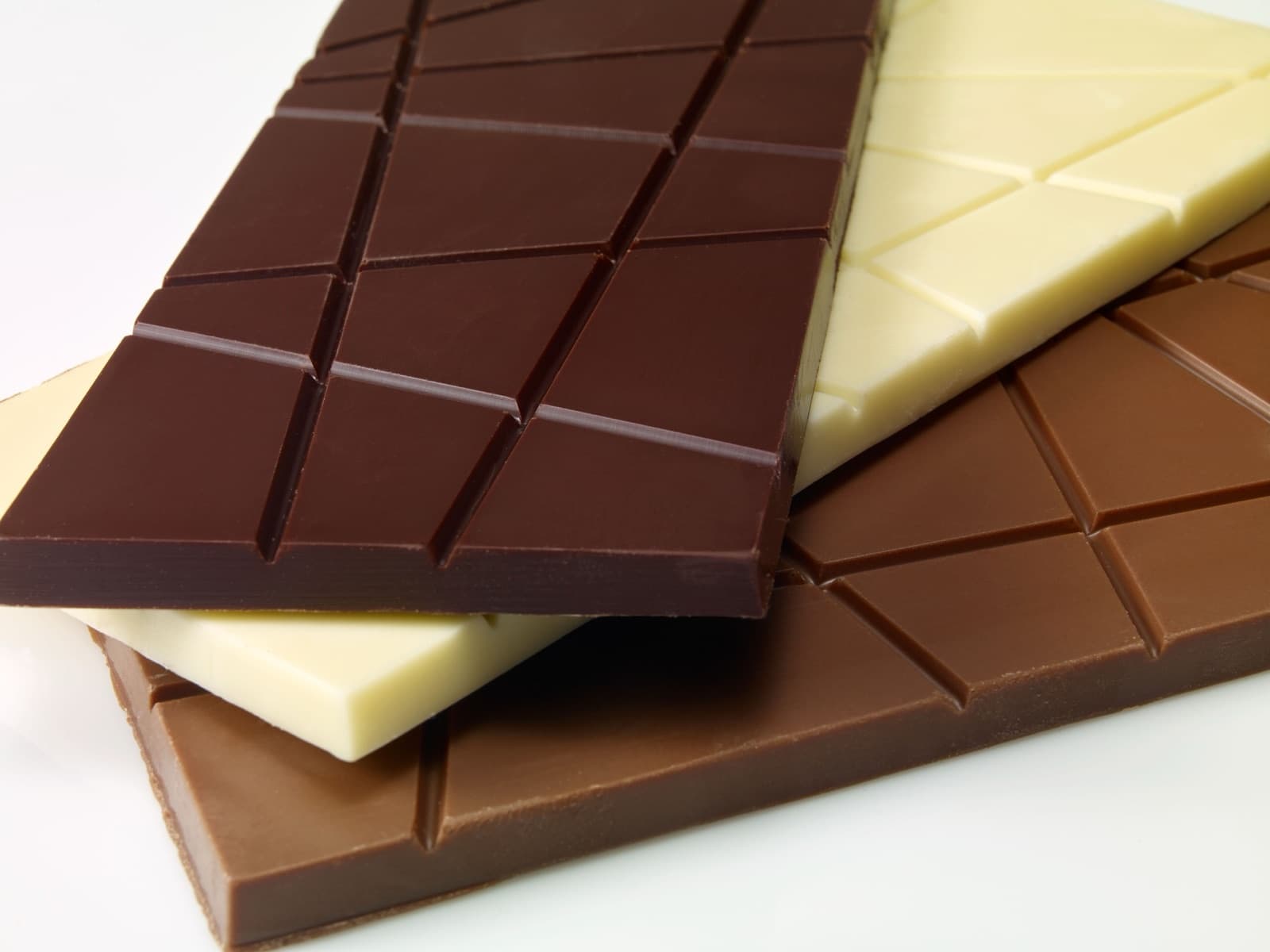
When Spanish travellers tasted it in the 1500s, they took the recipe back to Europe and added sugar. From there, chocolate spread across the world. Solid chocolate bars - the kind we eat now - were invented in the 1800s, and milk chocolate followed soon after.
Even today, the best chocolate in the world still depends on the cacao tree. It only grows in hot countries near the equator. Mexico still grows cacao in the southern states, and many traditional families make hot chocolate from scratch by grinding their own roasted beans.