
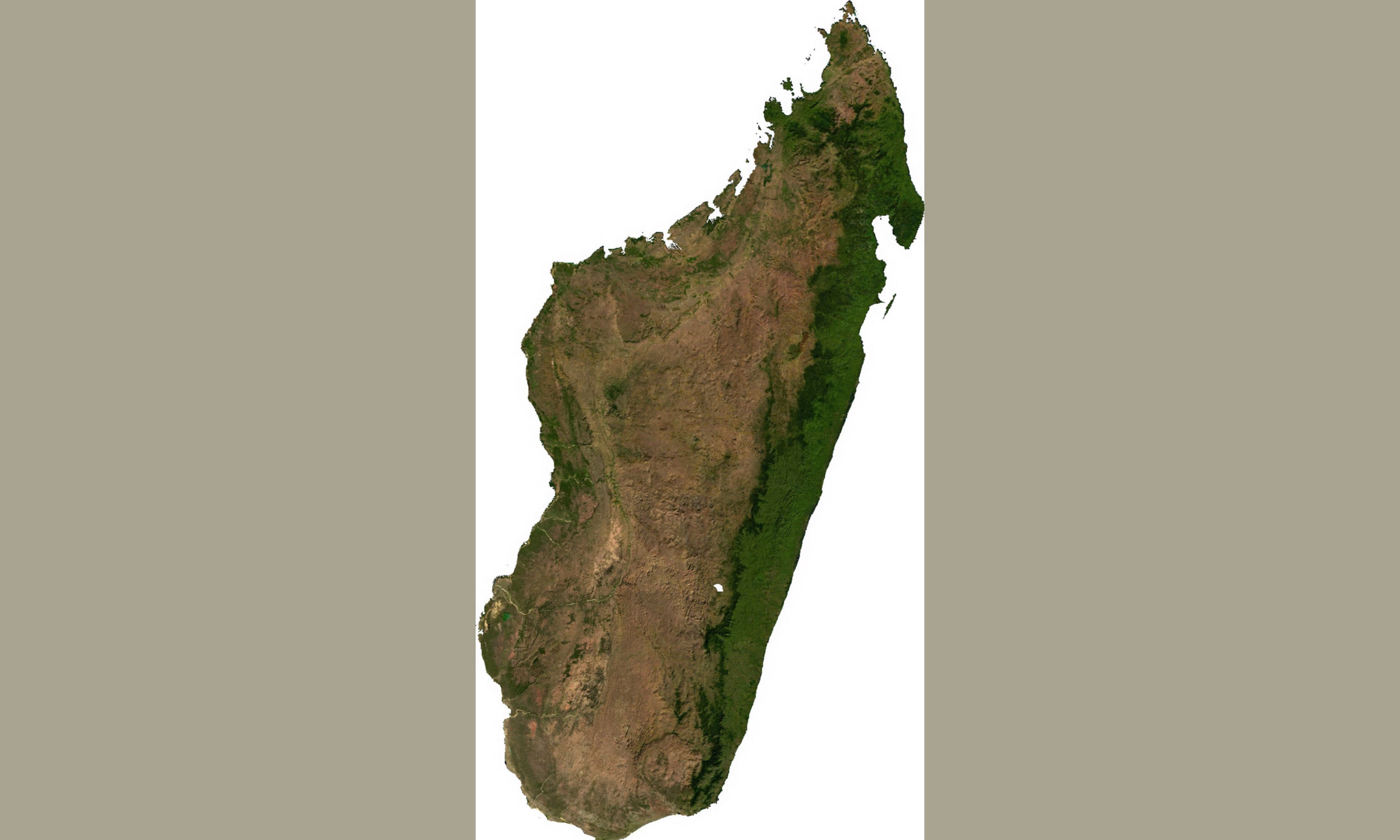
Madagascar is about 1,580 kilometres long from top to bottom. That is roughly the same as the distance from the north of Scotland to the south of France. A child in the north of the country, near the sea, lives in tropical heat. A child in the south lives where it almost never rains. Both are 'Malagasy' - the word for someone from Madagascar.
Because the island is so long, it has lots of different climates. The east coast is covered in rainforest - hot, wet, and green. The middle has cool highlands where the capital city, Antananarivo, sits 1,300 metres up. The west is dry, with the famous baobab trees. The far south is almost a desert.
Madagascar has been separate from Africa for a very long time. About 88 million years ago, when dinosaurs were still walking around, it broke away from the supercontinent and drifted out into the ocean. The animals and plants on the island then evolved on their own, away from everything else.
That is why so many of Madagascar's animals - lemurs, fossas, tomato frogs, more than half of all the chameleons in the world - live nowhere else. Scientists call places like this 'biodiversity hotspots'. Madagascar is one of the most important ones on Earth.