
Classroom lesson 路 Wildlife馃嚠馃嚬 Italy

The Italian wolf - a conservation comeback

From near-extinct to around 3,000 in the Italian mountains

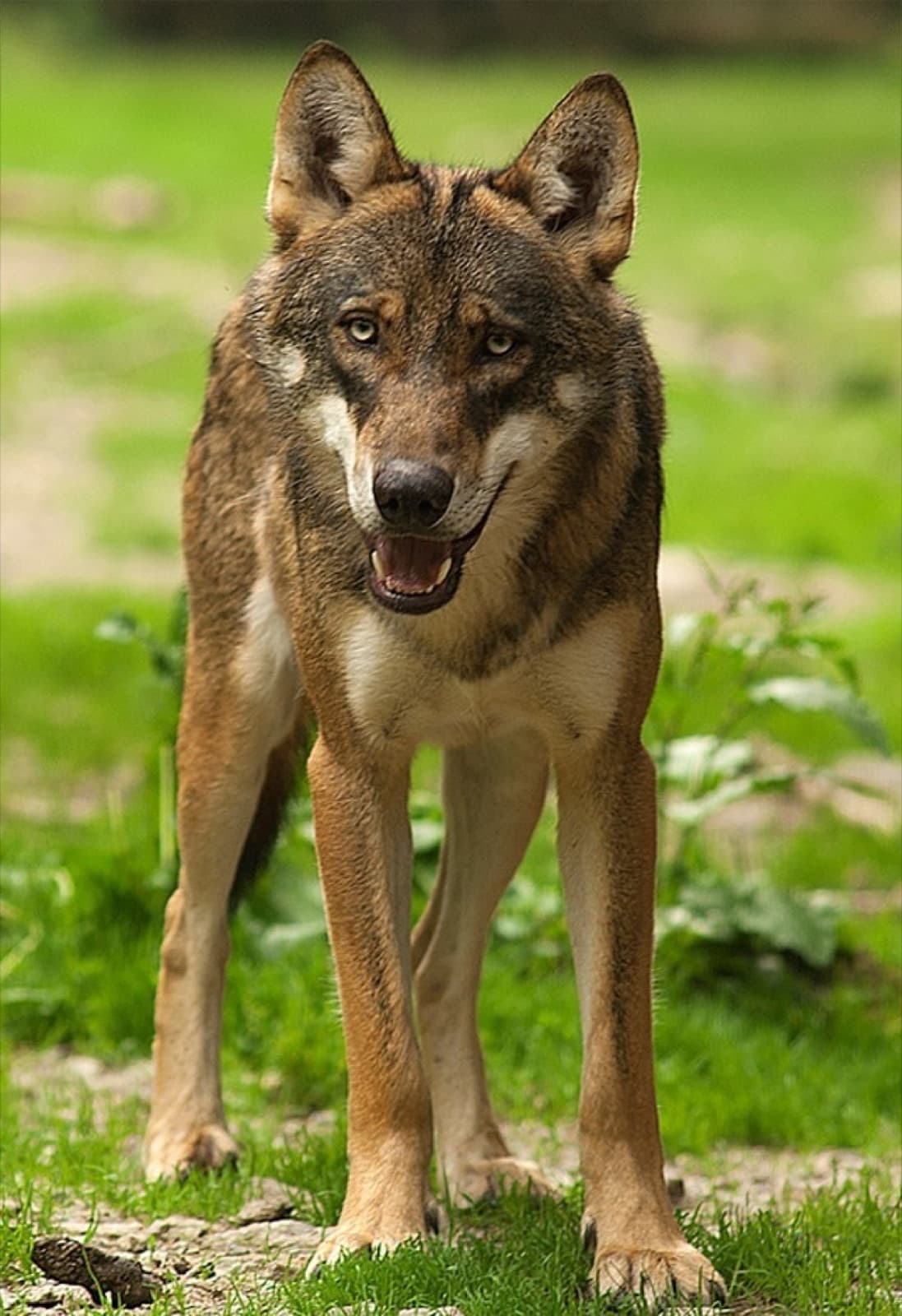
An Italian wolf standing on grass, looking ahead

Photo 路 Wikimedia Commons

What is it?

The Italian wolf - also called the Apennine wolf - is a kind of grey wolf that lives only in Italy. It is smaller than wolves in other countries, with a thick reddish-brown coat. In the 1970s there were fewer than 100 of them left in the wild. Today there are around 3,000.

Tell me more

Italian wolves live in the Apennine mountains, the long ridge of forested mountains that runs down the middle of Italy. They are shy, clever animals. They hunt in family groups called packs, working together to chase deer and wild boar through the trees. A single wolf can travel 30 or 40 kilometres in one night looking for food.

Wolves talk to each other a lot. They use howls to find lost pack members and to tell other packs where they are - 'this forest is taken'. They wag tails, lower ears and play-bow just like the dogs at home. In fact, the dog you might know is the wolf's closest cousin. Every domestic dog, from a Chihuahua to a Saint Bernard, traces back to wolves like these.

Around 50 years ago, Italian wolves were in real trouble - the population had crashed. So Italy gave the wolf full legal protection in 1971 and worked hard to bring back the forests and wild animals it needs. Slowly the wolves came back. Today they live not just in the mountains but increasingly closer to towns and farms.

The Apennine wolf is now the national animal of Italy. It appears on stamps, in folk tales, and even on the badges of some Italian sports clubs. Many Italian children grow up hearing stories about wolves in the forest, and a few lucky ones have heard one howling in real life.

In the classroom

Walk your class through this in 15 minutes.

Talk together

Discussion prompts

  1. 01What might have helped the Italian wolves recover from such low numbers? What changes had to happen?
  2. 02Wolves and dogs are cousins. What things do they have in common? What is different?
  3. 03Why might it be important for a country to have a national animal?
Try this

Classroom activity

As a class, list animals that have come back from low numbers thanks to people protecting them - look up examples like the giant panda, the sea otter, the bald eagle. Make a 'wall of comebacks'. What do these stories have in common?

More about Italy

Other things that make Italy special

Want your class to meet Italy?

Pick Italywhen you register and we鈥檒l show you the time-zone feasibility.

Register your classroom