
Classroom lesson 路 The desert that blooms in spring馃嚠馃嚤 Israel

The desert that blooms in spring

Bare brown hills turn into carpets of red flowers

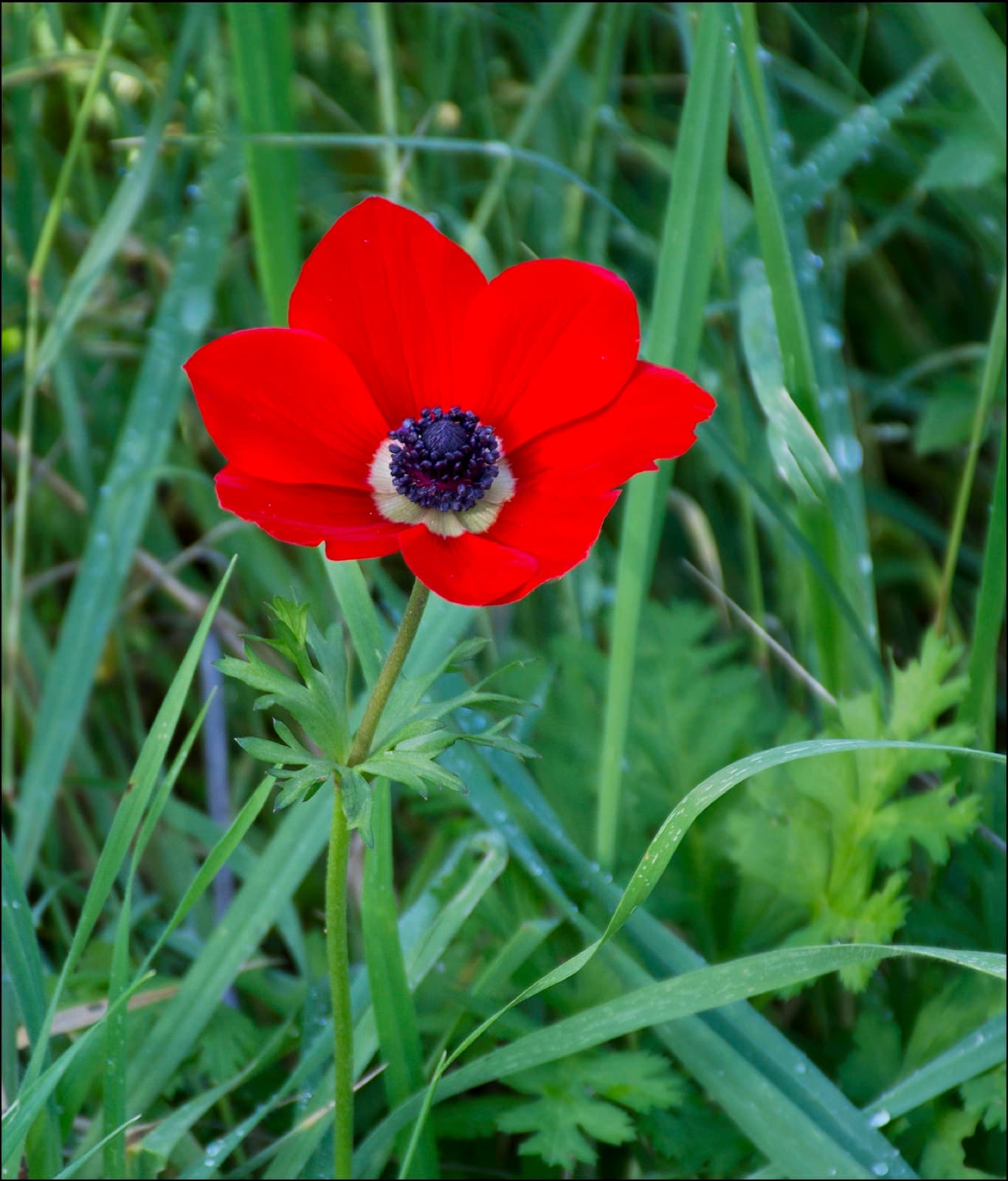
Red anemone flowers blooming across desert hills in spring

Photo 路 Wikimedia Commons

What is it?

For most of the year, the south of Israel - the Negev desert - looks brown, rocky and bare. But for a few weeks in late winter and early spring, the rain wakes up millions of seeds that have been sleeping in the soil. The whole desert bursts into colour. Red anemones, yellow daisies and purple lupines cover the hills.

Tell me more

A desert is not just sand. It is land that gets very little rain. In the Negev, rain falls only a few times a year - and most of it comes in just a few weeks. The plants there have learned a clever trick. They live their whole lives in those few wet weeks, then drop seeds that wait, sometimes for years, for the next rain.

The most famous flower is a deep red anemone, called kalanit. So many of them bloom together that in some places the ground looks like a red carpet. People drive for hours to see it. There is even a yearly festival called Darom Adom - 'Red South'.

Animals turn up too. Bees, butterflies and beetles wake from their winter hideaways to feed on the flowers. Birds fly down from Europe, stopping in the blooming desert to rest on their long journey south.

The blooms last only a few weeks, then the hot sun returns and the desert goes brown again. The seeds wait quietly underground for the next rain - which might be a few months away, or might be a year. Desert plants are some of the most patient living things on Earth.

In the classroom

Walk your class through this in 15 minutes.

Talk together

Discussion prompts

  1. 01How can a plant wait years for the right time to grow? What might its seed be doing while it waits?
  2. 02Why might it help a plant to live its whole life in just a few weeks?
  3. 03Lots of things in nature happen only for a short time each year. What other examples can you think of?
Try this

Classroom activity

Plant fast-sprouting seeds (like cress or mustard) on damp cotton wool. Water some and leave others dry. Watch what happens over a week. Discuss: which ones 'woke up' first, and why?