
Classroom lesson 路 Drip irrigation - watering smarter馃嚠馃嚤 Israel

Drip irrigation - watering smarter

An Israeli invention that grows more food with less water

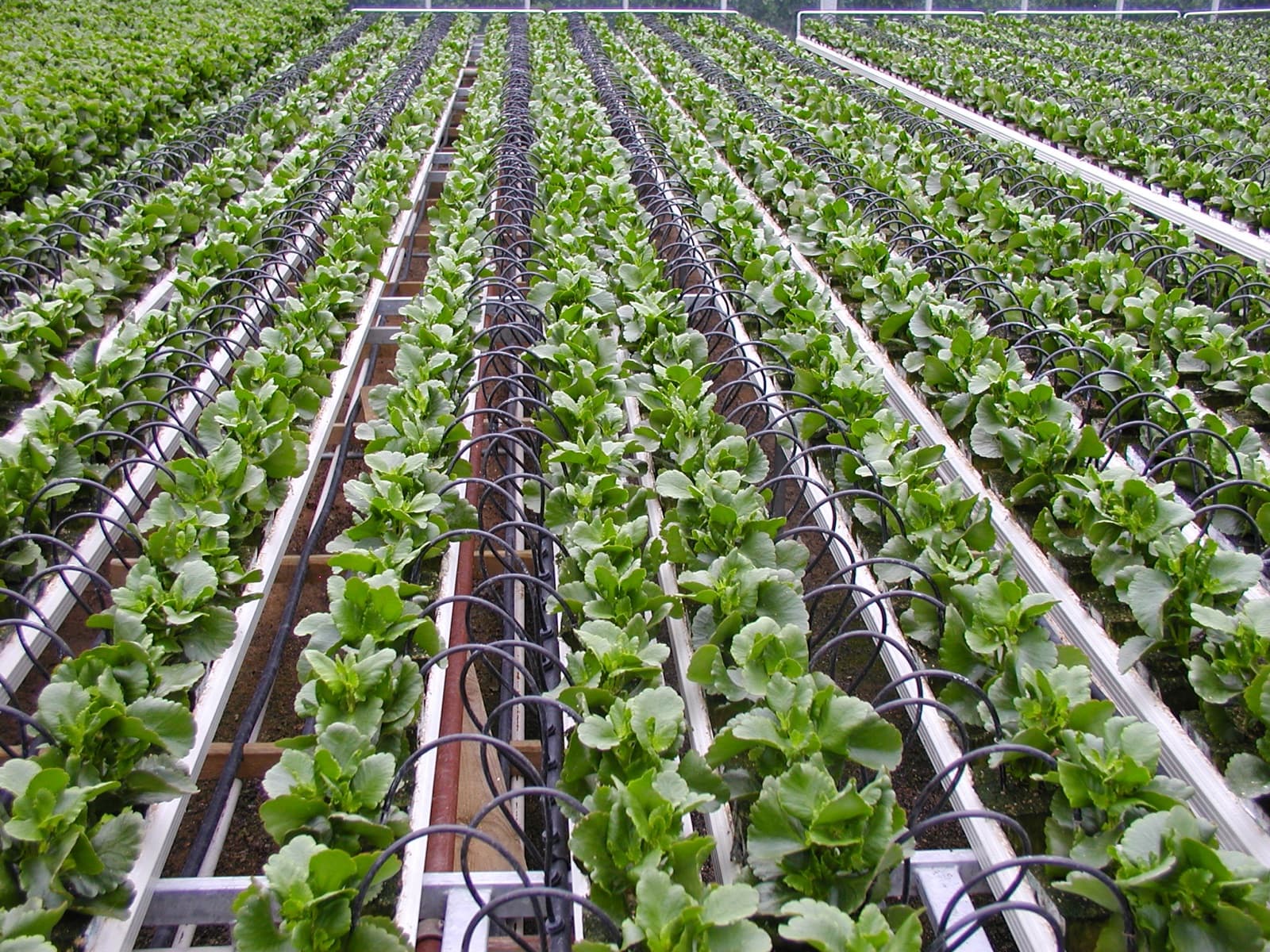
Black drip irrigation tubes running between rows of crops

Photo 路 Wikimedia Commons

What is it?

Drip irrigation is a way of watering plants with thin black tubes that drip water slowly, drop by drop, right onto the roots. It was invented in Israel in the 1960s and is now used by farmers all over the world. It can grow the same amount of food using up to 70% less water than older ways.

Tell me more

Israel is mostly desert, so water has always been precious. In the 1950s an engineer named Simcha Blass noticed a tree growing huge next to a tiny leaky water pipe. The pipe was dripping a slow, steady amount of water right at the roots. He realised this was much better than spraying water everywhere.

With his son Yeshayahu, he turned that idea into a system of thin plastic tubes with tiny holes that drip exactly the right amount of water onto each plant. By the 1960s, the company Netafim was selling these tubes to farms.

The clever bit is how little is wasted. When you spray a field with sprinklers, much of the water blows away in the wind or dries up in the sun before reaching the roots. Dripping water straight onto the soil at the plant means almost every drop is used.

Today drip irrigation helps farmers grow tomatoes, melons, dates and grapes in places that used to be too dry to farm. It is used in over 100 countries - from the deserts of India to the vineyards of California. One Israeli idea is now helping feed people across the world.

In the classroom

Walk your class through this in 15 minutes.

Talk together

Discussion prompts

  1. 01Why might watering little and often, near the roots, be better than spraying lots of water everywhere?
  2. 02Where does the water in your tap come from? What happens in a year when there isn't much rain?
  3. 03An idea about leaky pipes turned into a worldwide invention. What small things have you noticed lately that might be a clue for a bigger idea?
Try this

Classroom activity

Try this: fill one cup with damp soil and one with dry soil. With a pin, prick tiny holes in two plastic bags of water and hang them above each cup. Watch which soil keeps moisture longer. Discuss: how could a whole field use this idea?