
Classroom lesson 路 Jerusalem's old stone city馃嚠馃嚤 Israel

Jerusalem's old stone city

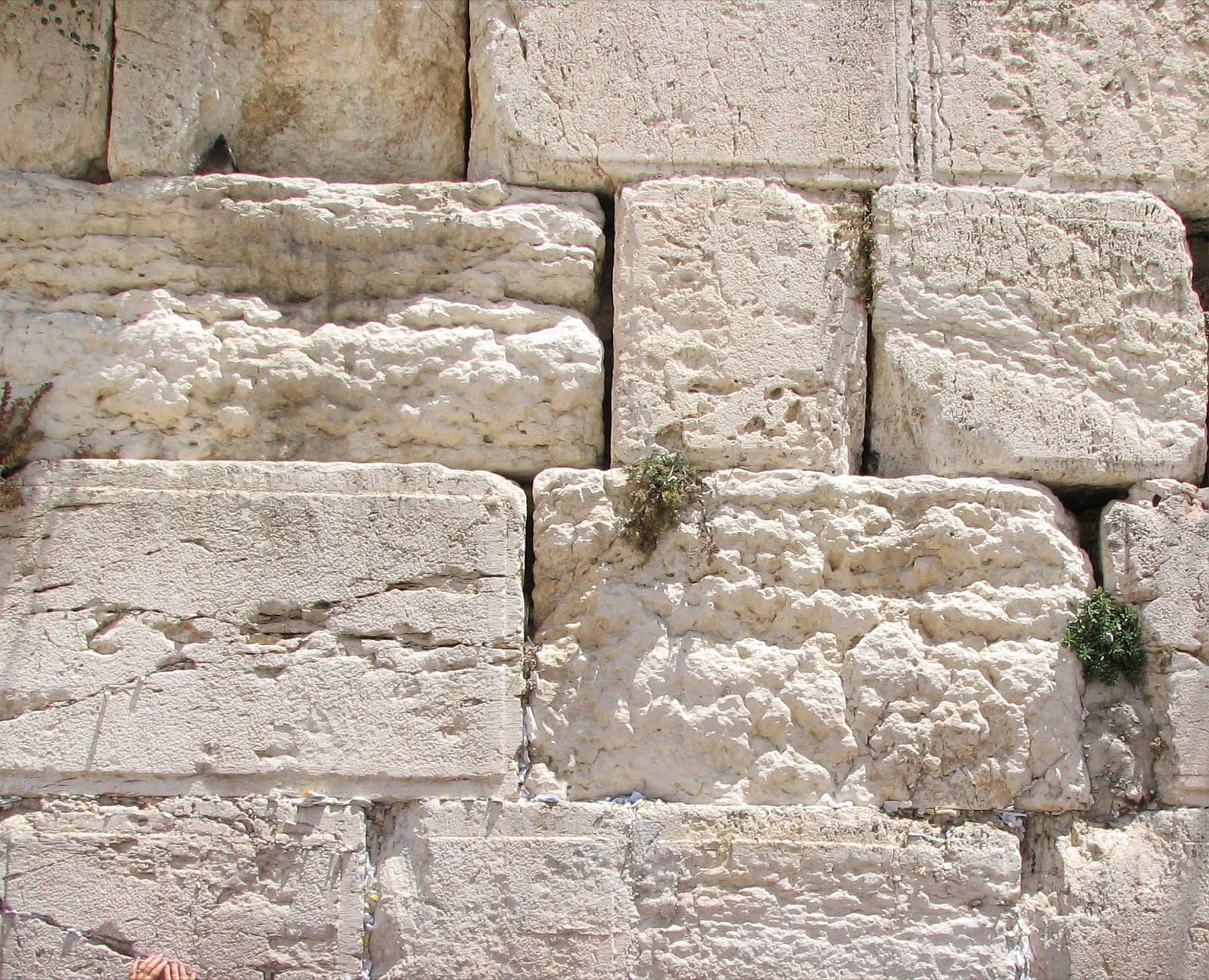
Walls and lanes carved from pale stone, used for over 2,000 years

Pale limestone walls and stone alleyways of Jerusalem's old city

Photo 路 Wikimedia Commons

What is it?

In the middle of the city of Jerusalem there is a smaller, much older part called the Old City. It is surrounded by tall stone walls and full of narrow lanes paved with worn pale stones. The same stone has been used for buildings here for over 2,000 years.

Tell me more

The stone is called Jerusalem stone - a kind of pale, golden limestone quarried from the hills nearby. It is so important that there is a city rule: every new building in Jerusalem must be faced with this same stone. So even modern shops and houses look as if they belong to the old streets.

The walls around the Old City are huge - about 12 metres tall and 4 kilometres long. You can walk most of the way around the top of them on a stone path. From up there you can see right across the rooftops of the city.

The lanes inside are narrow, twisty, and often go up or down steps because the whole city is built on hills. There are markets selling spices, sweets, fresh bread and craft things. The air smells of cardamom, mint tea and za'atar.

Some of the stones have been walked on so many times that they are smooth and shiny, like marble. Children running through the alleys today are walking the same routes that people walked thousands of years ago.

In the classroom

Walk your class through this in 15 minutes.

Talk together

Discussion prompts

  1. 01Why might a city make a rule that all new buildings have to use the same stone?
  2. 02How might a street feel different if you knew people had walked it for 2,000 years?
  3. 03Are there any very old buildings near our school? How do we know they are old?
Try this

Classroom activity

Find a piece of stone or brick on your school grounds. Sketch it. Note its colour, how smooth it is, and any cracks. Then imagine: if this stone has been there for 100 years, who else might have walked past it?