
Imagine trying to write the number 'one hundred and seven' without a zero. The Romans wrote it as CVII. That works, but it gets clumsy fast. CXXXVIII is much harder to read than 138. The reason 138 works so well is that 0 holds the 'tens' column empty - and you can tell a 1 in the hundreds column from a 1 in the ones column at a glance.
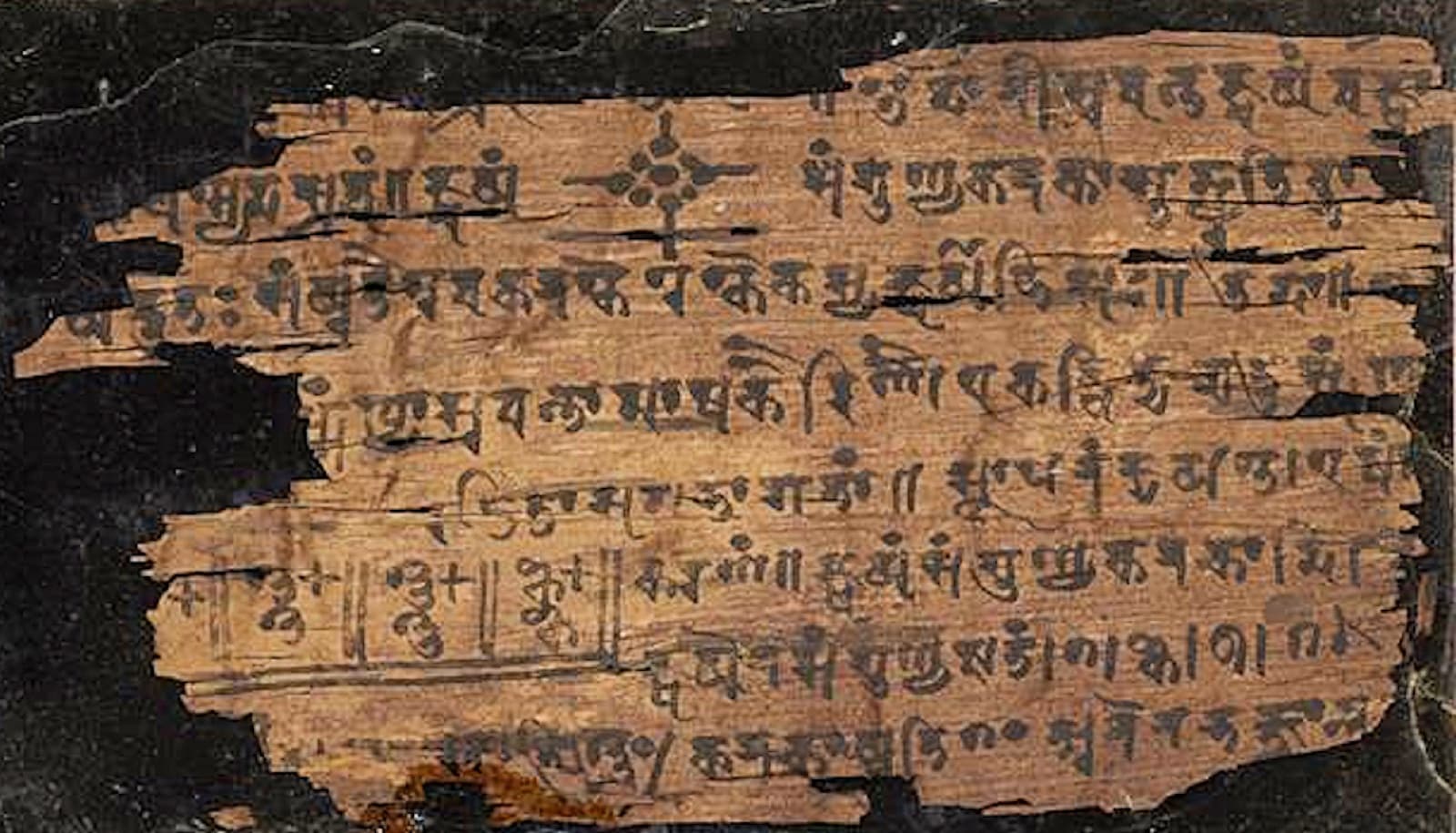
Indian mathematicians worked out, around 1,500 years ago, that 'nothing' deserved its own number. A scholar named Brahmagupta wrote down the rules for it: zero plus a number is that number, zero times a number is zero, and a number minus itself is zero. These rules feel obvious now, but they were brand new at the time.
Once zero existed, all kinds of new maths became possible. Negative numbers (numbers below zero, like the cold side of a thermometer) became easy. Decimals became easy. Eventually, computers became possible - the whole digital world is built on 1s and 0s.
It took hundreds of years for the idea of zero to spread. It travelled with merchants and travellers from India to the Middle East, and then to Europe. The number system we use today, 0-9, is sometimes called the Hindu-Arabic numeral system because of that journey.