
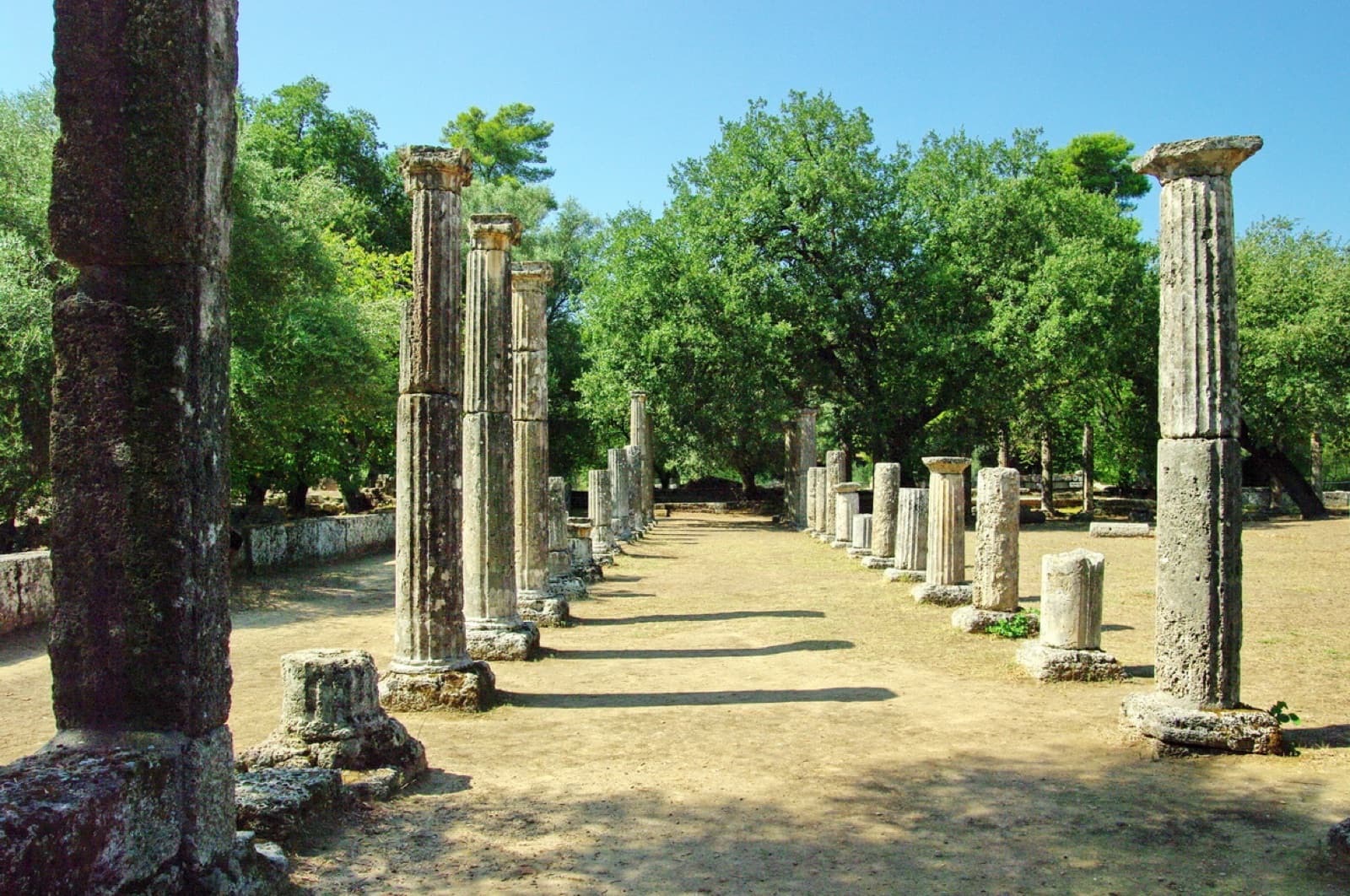
Olympia is a real town in southern Greece. For hundreds of years, every four years, athletes travelled there to compete in running, wrestling, jumping, javelin, discus and chariot racing. There was a special truce - even people who were fighting elsewhere had to stop and travel safely to the Games.
Things were a bit different in the old Games. Only Greek-speaking men could compete (girls and women had their own separate games, called the Heraia). The races were short - the most famous was the stadion, a sprint of about 192 metres, which is where the word 'stadium' comes from. Winners got an olive crown and were national heroes for life.
The ancient Games went on for nearly 1,200 years, then stopped for a long time. In 1896, a French organiser called Pierre de Coubertin worked with Greeks to bring them back. The very first modern Olympics were held in Athens that year, in a beautiful all-marble stadium. Athletes from 14 countries took part.
Today, the Olympics happen every four years in a different city - sometimes summer Games, sometimes winter Games. Athletes from over 200 countries take part. But every Games still begins the same way: a torch is lit by the sun at Olympia in Greece, then carried around the world by runners until it reaches the host city.