
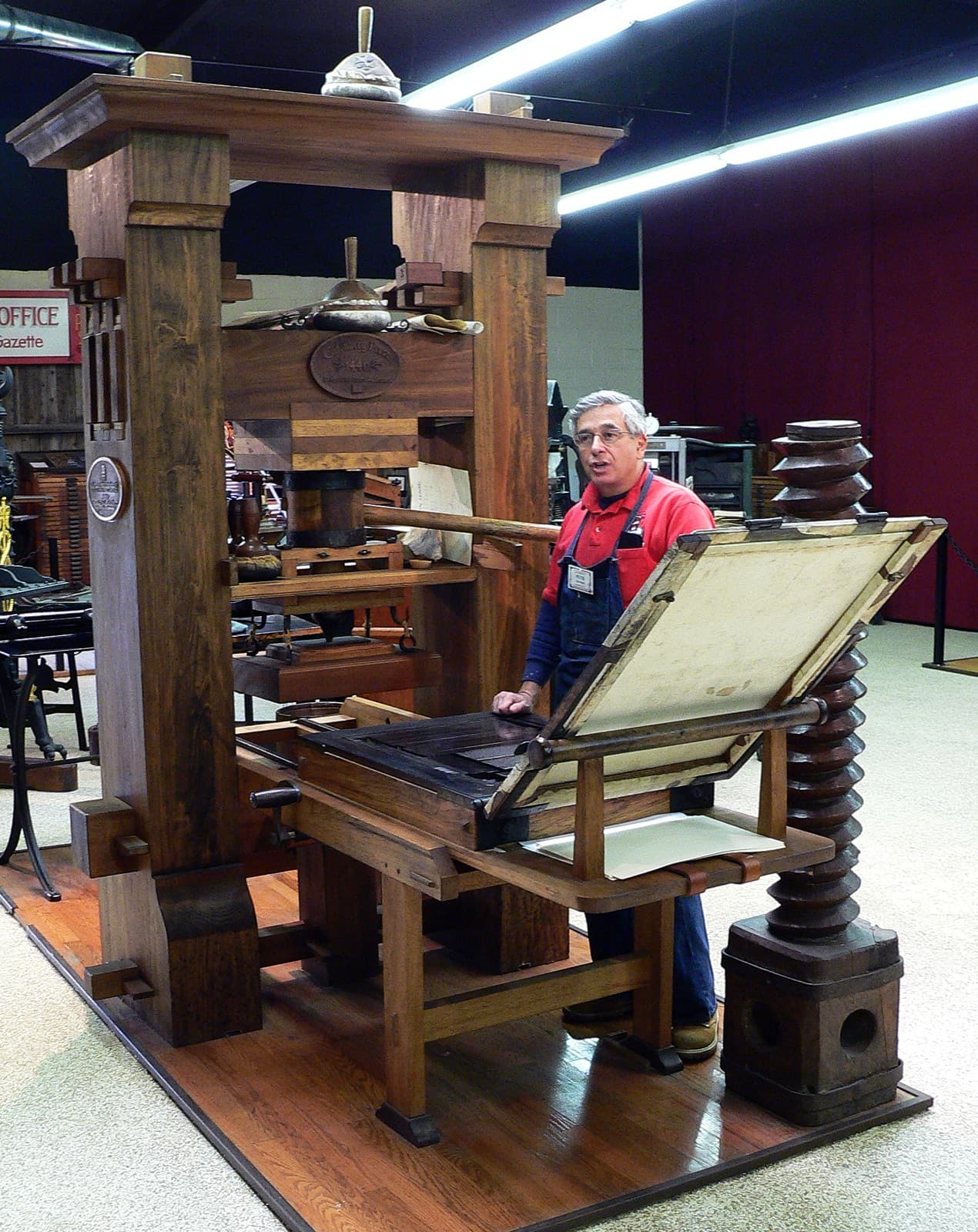
Around the year 1450, a German called Johannes Gutenberg invented the printing press. Before that, every book had to be copied out by hand - which meant most people never owned a book in their whole lives. Gutenberg's press could print hundreds of identical pages quickly. Within fifty years there were millions of books in Europe. It changed the world.
About 400 years later, in 1885, another German called Carl Benz built the first practical car. It had three wheels, looked a bit like a metal carriage, and ran on a small engine. It is the direct ancestor of every car you have ever seen. His wife Bertha went on the first long-distance car trip in history - 100 km to visit her mum - to prove it really worked.
Germany has invented lots of medicine too. Aspirin, the painkilling tablet found in almost every medicine cabinet, was first sold by a German company in 1899. Modern hearing aids, the X-ray, and the contact lens all began with German scientists.
And then there is the idea you might not think of as an invention at all: kindergarten. The word is German - it means 'children's garden'. A teacher called Friedrich Froebel started the first one in 1837. He thought small children learn best through play, songs, gardening and games. The idea spread around the world. Most reception classes today are based on his idea.