
Classroom lesson 路 Wildlife馃嚝馃嚡 Fiji

Flying foxes - the fruit bats of Fiji

Giant bats with 1-metre wingspans that spread seeds across the islands

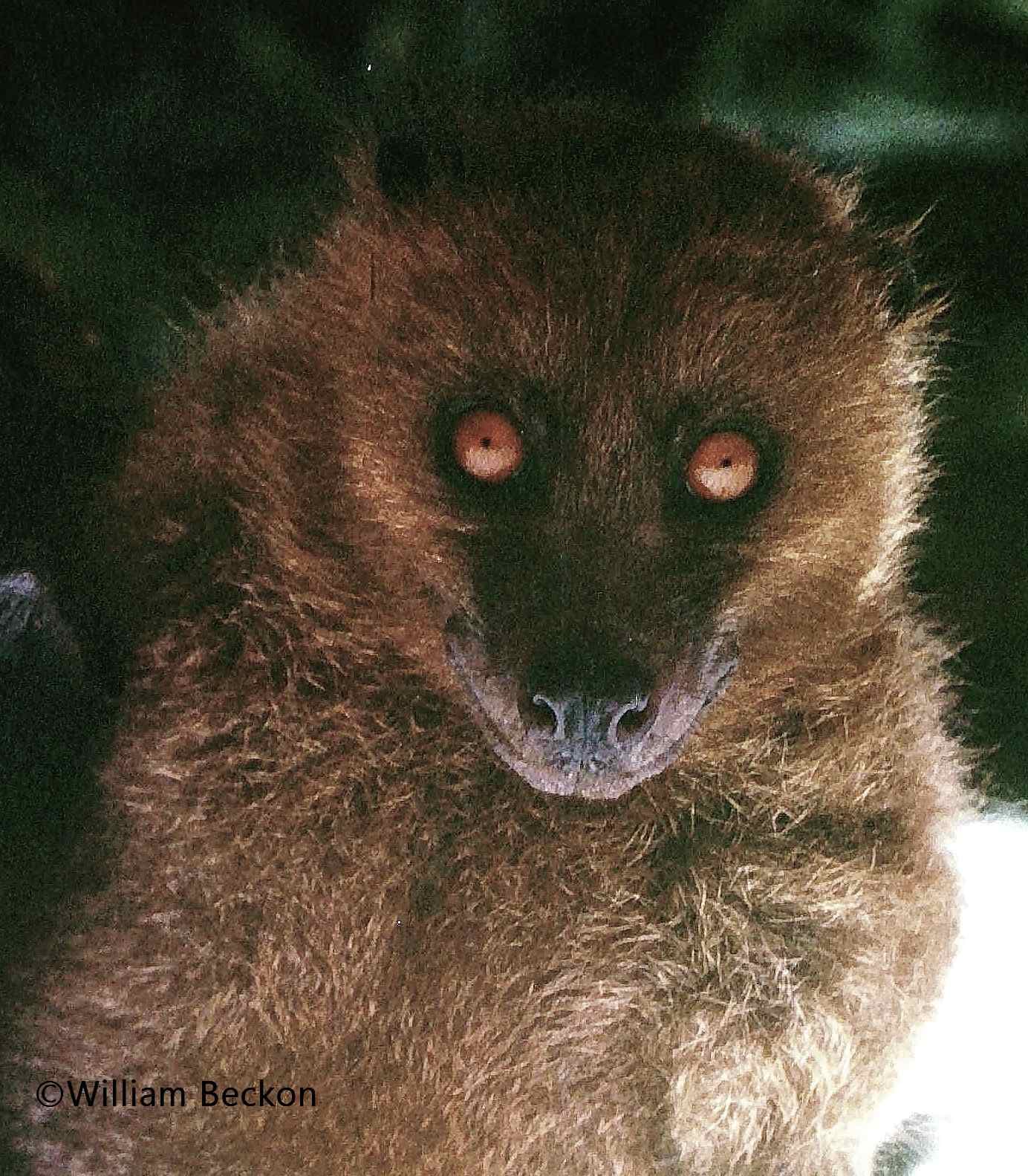
A large Fiji flying fox hanging upside down from a branch with its wings slightly spread

Photo 路 Wikimedia Commons

What is it?

Flying foxes are the largest bats in the world. The Fiji flying fox has a wingspan of up to one metre - that is wider than most children's arm spans. Despite their size, flying foxes are gentle fruit-eaters. They are named for their dog-like faces, not for being foxes.

Tell me more

Each night, flying foxes leave their roosts in big trees and fly out to find ripe fruit, flowers and nectar. They have large eyes and a good sense of smell - much more than the echolocation that smaller insect-eating bats use. Following the smell of fruit, a flying fox can travel up to 50 kilometres in a single night.

They are brilliant gardeners without meaning to be. A flying fox bites into a fruit, swallows the juice and soft flesh, and then the seeds pass through its body and drop to the ground somewhere else - sometimes many kilometres away. In this way, they spread the seeds of rainforest trees all across the island. Without them, some forests would not grow back after storms.

During the day, flying foxes sleep by hanging upside down from tree branches. Their feet are specially shaped for this - it takes no effort for them to hang; their weight actually locks the grip tight. When a whole colony of them hangs from a large tree, it can sound like they are chattering to each other.

The Fijian word for flying fox is 'beka'. In many Fijian villages, certain families have traditional custodianship over flying fox colonies - a responsibility to watch over the bats and make sure they thrive. These traditions are thousands of years old.

In the classroom

Walk your class through this in 15 minutes.

Talk together

Discussion prompts

  1. 01Flying foxes help the forest grow without trying to. Can you think of other animals (or people) who help something else just by doing what they normally do?
  2. 02Hanging upside down all day sounds uncomfortable - but the bat's feet lock tight with no effort. What other animals have bodies that work in surprising ways?
  3. 03Some families have looked after bat colonies for thousands of years. What would you need to know to do that job well?
Try this

Classroom activity

Hold your arms out straight and have a partner measure your wingspan (fingertip to fingertip). Write it down. Now mark one metre on the floor with chalk or tape. How does your wingspan compare to the flying fox's? How many pupils standing in a row match the distance the bat travels in one night (50 km)? Use maths to estimate.