
Classroom lesson 路 Fiji's coral reefs馃嚝馃嚡 Fiji

Fiji's coral reefs

A rainbow city under the sea, home to thousands of creatures

Bright orange and purple corals with small fish swimming between them in Fiji

Photo 路 Wikimedia Commons

What is it?

Fiji sits in the South Pacific Ocean, surrounded by more than 300 islands and wrapped in some of the most colourful coral reefs on Earth. Coral reefs are underwater structures built by tiny animals called coral polyps. They look like a garden of stone flowers, and they are packed with fish, turtles, rays and sea creatures of every colour.

Tell me more

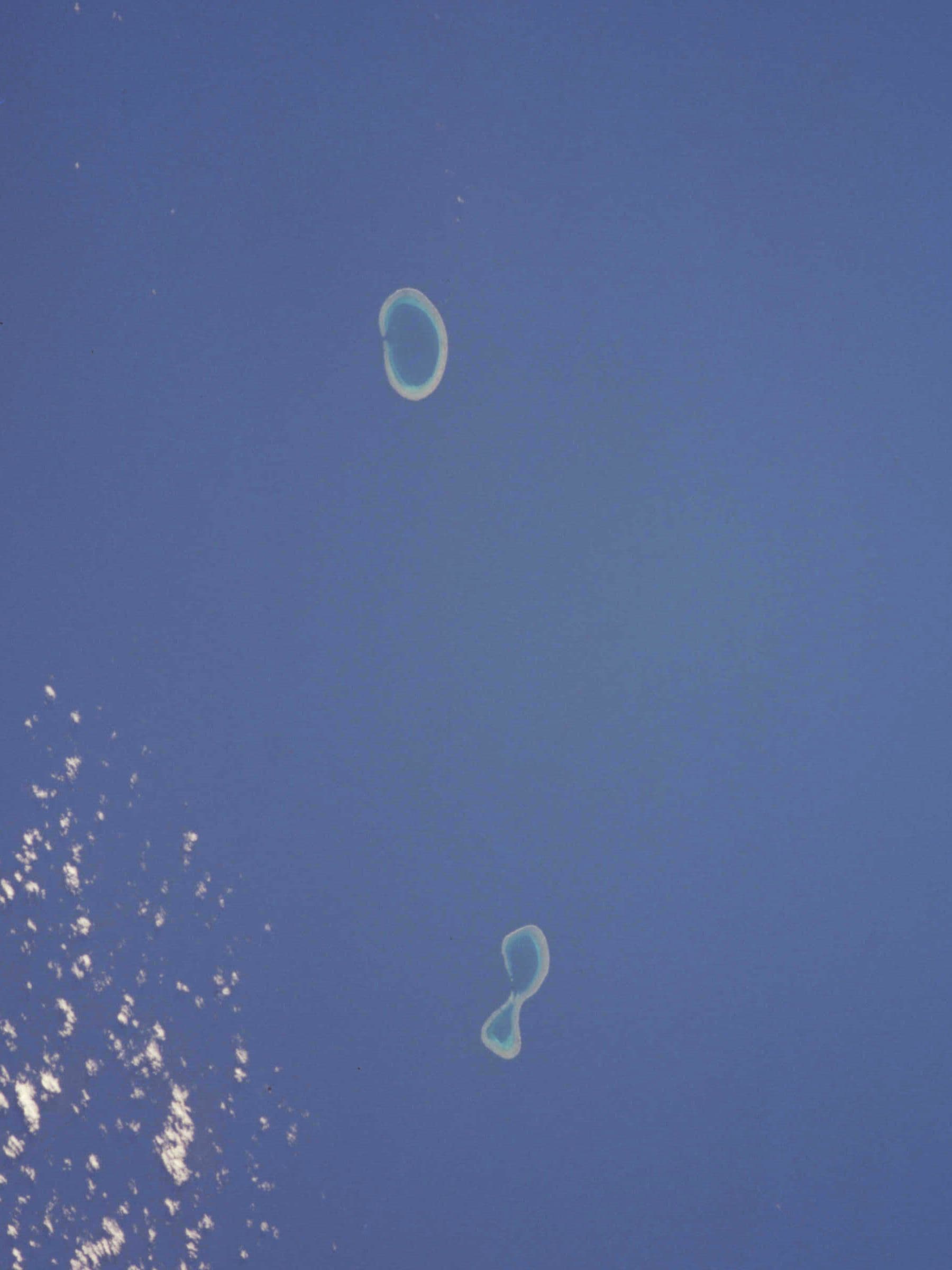
The Great Astrolabe Reef, near the island of Kadavu, is one of the largest barrier reefs in the world. It stretches for about 100 kilometres around the island, like a long underwater wall. Inside the wall, the water is calmer and full of sea life. Outside, the ocean drops away into very deep, dark blue.

Coral is not a plant - it is an animal. Millions of tiny creatures called polyps build hard shells around themselves. Over hundreds of years, as one generation of polyps builds on top of another, those shells become a reef. The whole structure is built grain by grain, creature by creature.

The reef's bright colours come mostly from tiny plants called algae that live inside the coral. The algae make food from sunlight and share it with the coral. Together they keep each other alive. When the sea gets too warm, the algae leave, and the coral turns white - this is called bleaching. Scientists around the world work to keep reefs healthy.

Around 1,500 species of fish live in Fiji's reefs, along with sea turtles, sharks, clownfish, giant clams and octopuses. Fijian families have fished these reefs for thousands of years and many communities have their own traditional rules about which areas to rest and let the fish come back.

In the classroom

Walk your class through this in 15 minutes.

Talk together

Discussion prompts

  1. 01Coral is made by tiny animals working together over hundreds of years. Can you think of anything else that is built up little by little, over a very long time?
  2. 02Some Fijian communities let parts of their reef 'rest' so the fish can come back. Why might that be a clever idea?
  3. 03If you could be any creature living in a coral reef, which would you be? Why?
Try this

Classroom activity

Each pupil draws one creature that lives in a coral reef - a clownfish, a sea turtle, a giant clam, an octopus, a ray. Lay all the drawings out on the classroom floor together to make a class reef. Then discuss: which creatures need the others to survive?