
Classroom lesson · Wildlife · 🇩🇰 Denmark

The Eurasian otter - Denmark's playful river hunter

A swimmer with see-through eyelids and a tail like a rudder

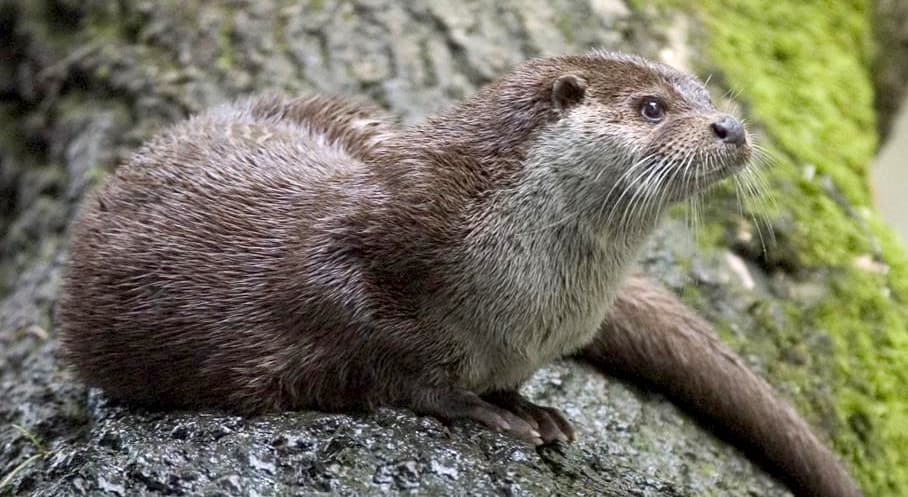
A Eurasian otter swimming in clear water

Photo · Wikimedia Commons

What is it?

The Eurasian otter lives in Denmark's rivers, lakes and along the coast. It is a brilliant swimmer with thick brown fur, a long thick tail and webbed feet. Otters are famously playful - they slide down muddy banks for fun, chase each other in the water, and float on their backs looking at the sky. About 30 years ago they almost disappeared from Denmark, but their numbers are growing again now that the rivers are cleaner.

Tell me more

An otter's body is built for swimming. Its tail works like a rudder and a paddle. Its webbed feet push it through the water. Its nose and ears close up tight so no water gets in. It even has special see-through eyelids that work like swimming goggles, so it can see clearly underwater.

Otters hunt mostly fish, but also frogs, water birds, crabs and the odd water vole. They can stay underwater for nearly a minute, twisting and turning to catch a fish in their mouth. Once they have caught one, they often climb out onto a log or stone to eat - they like a dry table.

Otters are very playful. Scientists who watch them say playfulness is a sign of a very smart animal - they spend lots of time on things that aren't strictly necessary, like sliding down a muddy bank again and again. Otter cubs especially love to wrestle and chase each other through the water.

Denmark lost most of its otters in the 1900s because the rivers were too polluted - the fish died, so the otters had nothing to eat. Since then, Denmark has cleaned up its rivers, and otters have come back. They are still rare, but spotting one in the wild is one of the great wildlife treats in Denmark.

In the classroom

Walk your class through this in 15 minutes.

Talk together

Discussion prompts

  1. 01Why might playfulness be a sign that an animal is very clever?
  2. 02Otters disappeared when rivers got dirty and came back when they got clean. What does that tell us about looking after water?
  3. 03If you had see-through eyelids, where would you most want to swim?
Try this

Classroom activity

As a class, plan a 'river health' poster. Draw a river down the middle of a sheet of A3. On one side, show a clean river with otters, fish and plants. On the other, show a polluted river with no animals. Label what you can do to help keep rivers clean.