
Classroom lesson · Wildlife · 🇭🇷 Croatia

Bottlenose Dolphins of the Adriatic

A pod of wild dolphins that has called Croatian waters home for decades

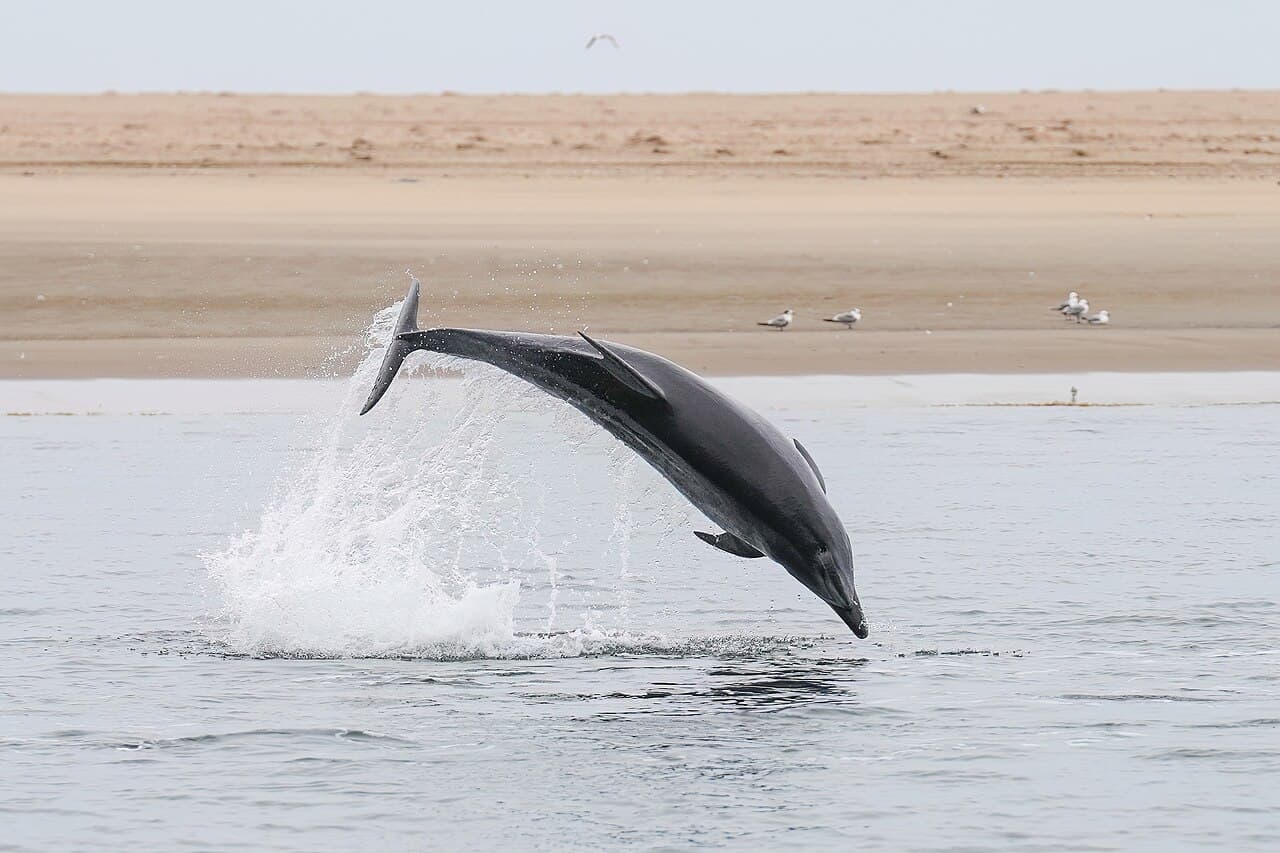
A bottlenose dolphin leaping from the turquoise Adriatic Sea

Photo · Wikimedia Commons

What is it?

The Adriatic Sea around Croatia is home to a resident population of bottlenose dolphins - one of the few places in the Mediterranean where the same families of dolphins have been studied and recognised as individuals for more than 30 years. Scientists know many of them by name and can track them across generations.

Tell me more

Bottlenose dolphins live in groups called pods, which are a bit like extended families. In the Adriatic around the island of Lošinj, researchers have identified over 150 individual dolphins by their dorsal fins - the fin on top of the back. Each fin has a unique shape, like a fingerprint, with nicks and notches that scientists photograph to tell individuals apart.

Adriatic dolphins are excellent hunters. They work in teams to herd fish into tight balls near the surface, then take turns rushing through to catch them. Some dolphins have learned to follow fishing boats and snap up fish that escape the nets - a cheeky habit that the fishermen mostly forgive.

Dolphins are among the most playful animals in the world. They surf the bow waves of boats, leap just for fun, and have been observed playing with pieces of seaweed. Young dolphins play-fight and chase each other through the underwater rock formations off the Croatian islands.

The waters around Lošinj have been a protected dolphin reserve since 2006. The reserve monitors the dolphins' health, studies their communication - dolphins use complex clicks and whistles to talk to each other - and helps boats navigate carefully so the dolphins are not disturbed during feeding or resting.

In the classroom

Walk your class through this in 15 minutes.

Talk together

Discussion prompts

  1. 01Scientists know each dolphin by the unique shape of its fin. What unique features could scientists use to identify the children in your class without using names?
  2. 02Dolphins communicate with clicks and whistles. If you had to communicate only through sounds (no words), what sounds would you use for 'hello', 'danger' and 'let's play'?
  3. 03Dolphins work in teams to catch fish. Can you think of a task in school that is much easier when everyone works together?
Try this

Classroom activity

Create individual 'dolphin ID cards'. Each pupil draws a dorsal fin shape and adds their own unique nicks, curves and notches - then gives their dolphin a name. Collect all the fins on a class 'pod display'. Can everyone identify each other's dolphin from the shape alone?