
Classroom lesson · The Mekong River · 🇰🇭 Cambodia

The Mekong River

The great river that flows through six countries

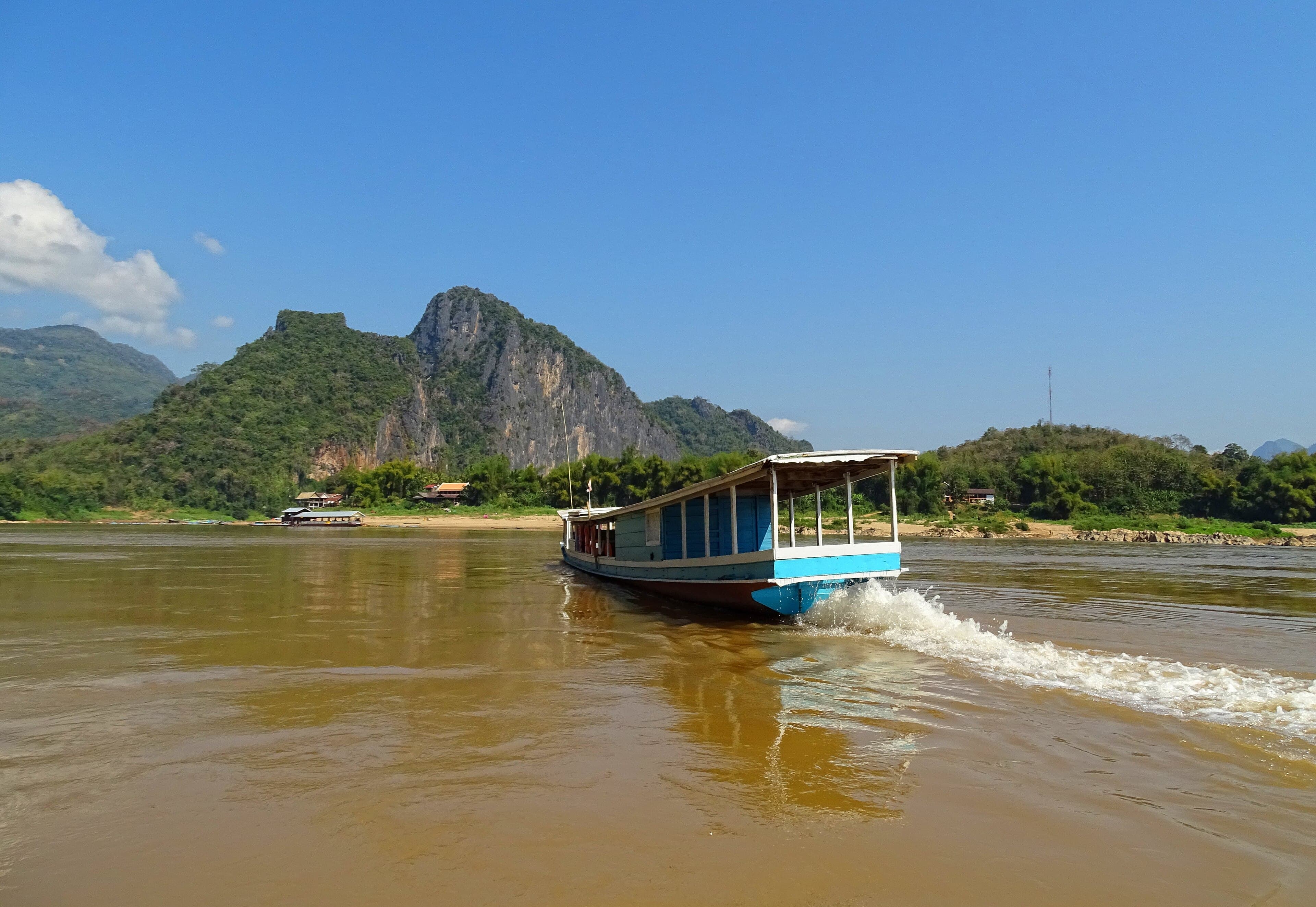
The wide brown Mekong River at sunset with fishing boats

Photo · Wikimedia Commons

What is it?

The Mekong is one of the great rivers of Asia. It starts high up in the mountains of Tibet, then flows south through China, Myanmar, Laos, Thailand, Cambodia and Vietnam before reaching the sea. In Cambodia, the Mekong is wide, brown and alive with fish.

Tell me more

The Mekong is the twelfth longest river in the world - about 4,900 kilometres from end to end. That is longer than the whole of Europe from top to bottom. Along the way it passes through six countries and is the lifeline for around 60 million people.

In Cambodia, the Mekong flows through the capital city, Phnom Penh, where it meets the Tonle Sap river in a famous four-way junction called the 'Chaktomuk' - the Four Faces. Fishermen have been casting nets here for thousands of years.

The Mekong is home to some of the most unusual freshwater animals anywhere. The Mekong giant catfish (one of the largest freshwater fish in the world), the irrawaddy dolphin and the giant freshwater stingray all live here. Scientists are still discovering new species in its waters.

The river floods every year during the monsoon season, leaving rich mud on the banks when it retreats. Cambodian farmers have used this fertile mud to grow rice for thousands of years. Rice grown near the Mekong feeds millions of people across the region.

In the classroom

Walk your class through this in 15 minutes.

Talk together

Discussion prompts

  1. 01The Mekong passes through six countries. How might that create friendships - or problems - between the countries it connects?
  2. 02Why might people have built their earliest cities and villages near rivers?
  3. 03If you could discover a new species in a river, what would you hope it would be?
Try this

Classroom activity

On a blank map of Asia, trace the Mekong from Tibet to the sea and mark each of the six countries it passes through. Then compare it to a river near your own school. How many countries does your river pass through? How long is it?