
Classroom lesson · Festival · 🇰🇭 Cambodia

Khmer New Year (Chaul Chnam Thmey)

Three days of water, games and celebration in April

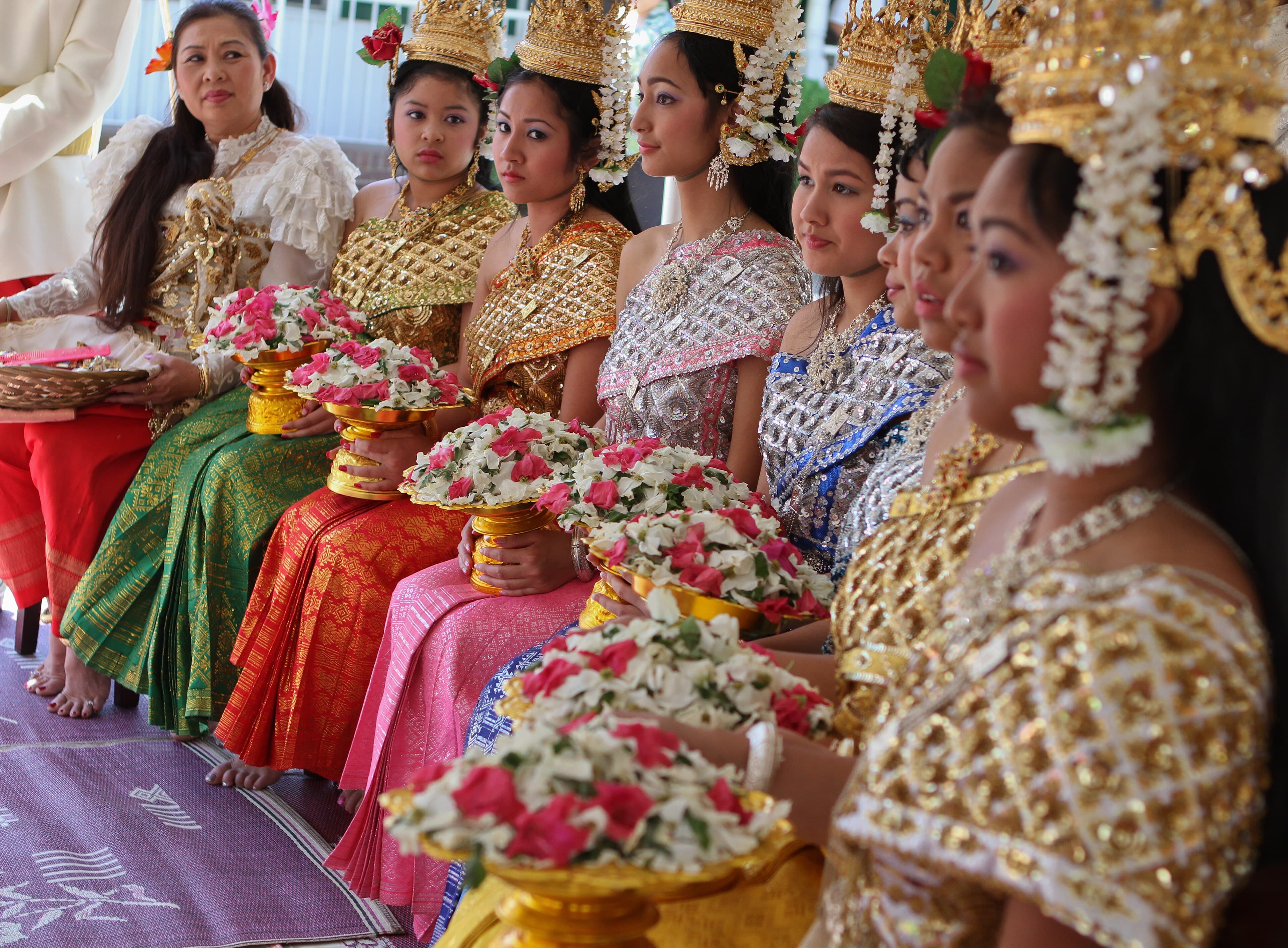
People celebrating Khmer New Year by splashing water and playing traditional games

Photo · Wikimedia Commons

What is it?

Chaul Chnam Thmey - Khmer New Year - is the most important festival in Cambodia's year. It falls in April, at the end of the harvest season and just before the monsoon rains begin. For three days, families reunite, temples are visited, games are played and water is splashed everywhere.

Tell me more

April is the hottest month in Cambodia. Celebrating the new year with water makes perfect sense - people throw water, pour it over each other and splash it on friends as a way of washing away the old year and welcoming the new one with fun and laughter. It looks a lot like Thailand's Songkran festival, because both have the same ancient roots.

On the first day, families clean the house from top to bottom and prepare offerings of fruit, flowers and incense for the temple. Children dress in bright new clothes. Monks receive gifts of rice and other foods. On the second day, there is a tradition of washing statues of the Buddha with scented water.

Traditional games are a huge part of Khmer New Year. One of the most popular is 'Bos Angkunh' - a game where players throw seeds called angkunh at a target pile, trying to knock others' seeds off. Another is 'Klah Klok', a dice game played in the streets on big colourful mats.

Food is central to the celebrations: sticky rice cakes called 'num ansom' are prepared in every household, families share big meals together and sweets are given to children. At night there are concerts, traditional music and dancing in the streets.

In the classroom

Walk your class through this in 15 minutes.

Talk together

Discussion prompts

  1. 01Many New Year celebrations around the world involve cleaning, water or bright lights. Why do you think new beginnings often involve washing something away?
  2. 02Khmer New Year comes at the end of harvest, just before the rains. Why might the timing of a festival be tied to the seasons and the farming calendar?
  3. 03What is the most important festival in your family? How do you prepare for it?
Try this

Classroom activity

Create a 'festival timeline' for the class. Each child draws and labels the most important celebration in their own family or culture, and places it on a year-long timeline. Look at the result: are celebrations spread through the year, or do they cluster at certain times? Why might that be?