
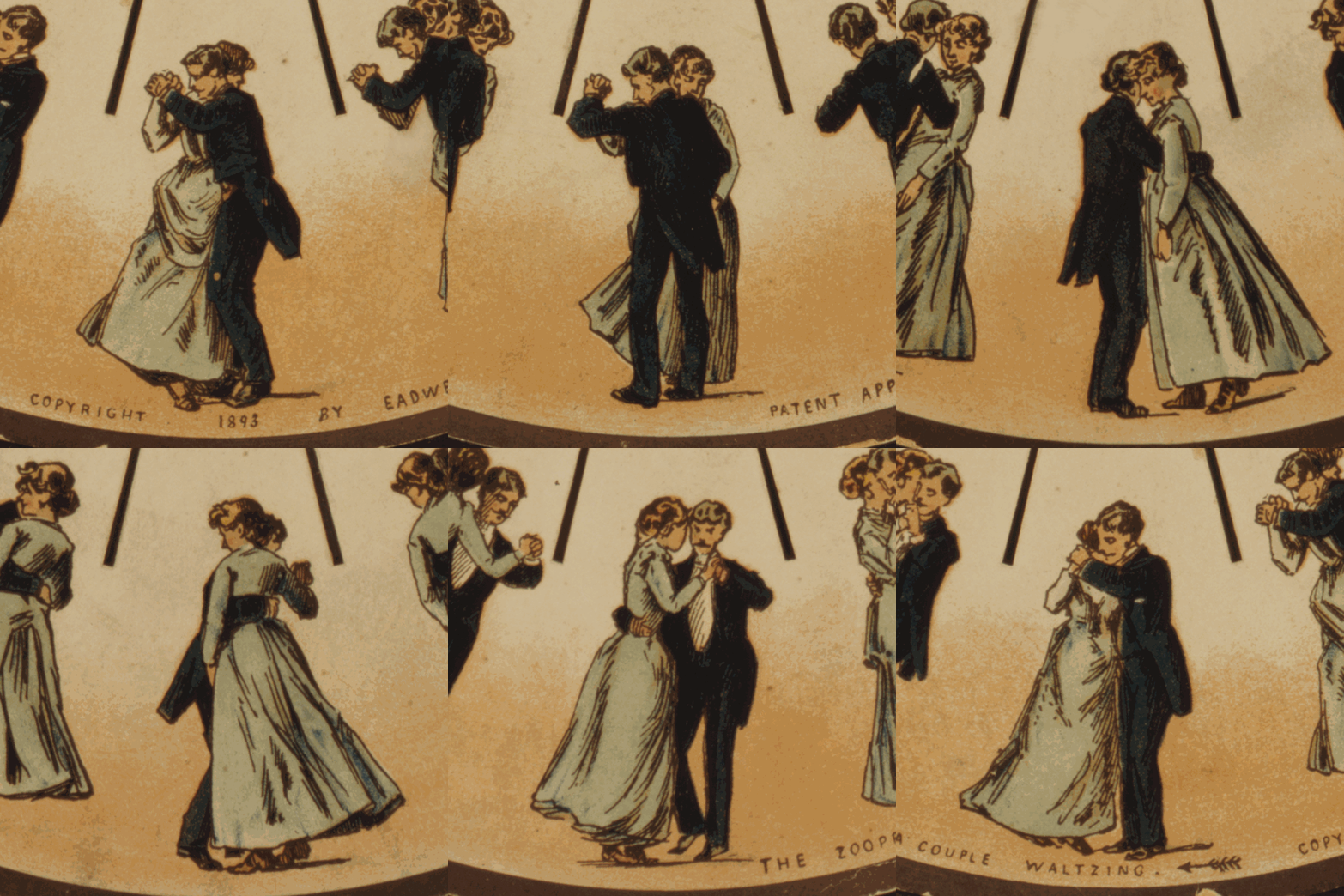
The waltz is danced in three-beat time: ONE-two-three, ONE-two-three. The first beat is a strong one, so dancers rise up on it and swirl round, then step and step more gently on the second and third. This gives the waltz its distinctive wave-like, floating feeling. Good waltzers make it look as though they are barely touching the ground.
Vienna hosts hundreds of grand balls every winter, from January through to March. The Vienna Opera Ball is the most famous - held inside the gorgeous Vienna State Opera House, with all the seats removed to make a giant dance floor. Thousands of guests in evening gowns and suits waltz through the night.
Johann Strauss II, often called the 'Waltz King', composed hundreds of waltzes including the famous 'Blue Danube'. His father, Johann Strauss I, was also a famous composer and the two even had a friendly rivalry. Together the Strauss family made the Viennese waltz famous across Europe and beyond.
The waltz was quite controversial when it first appeared. Unlike earlier dances where partners stayed apart and bowed formally to each other, the waltz involved partners holding each other closely and spinning together. Some people thought this was far too wild - but the dancing public loved it, and the waltz spread around the world.