
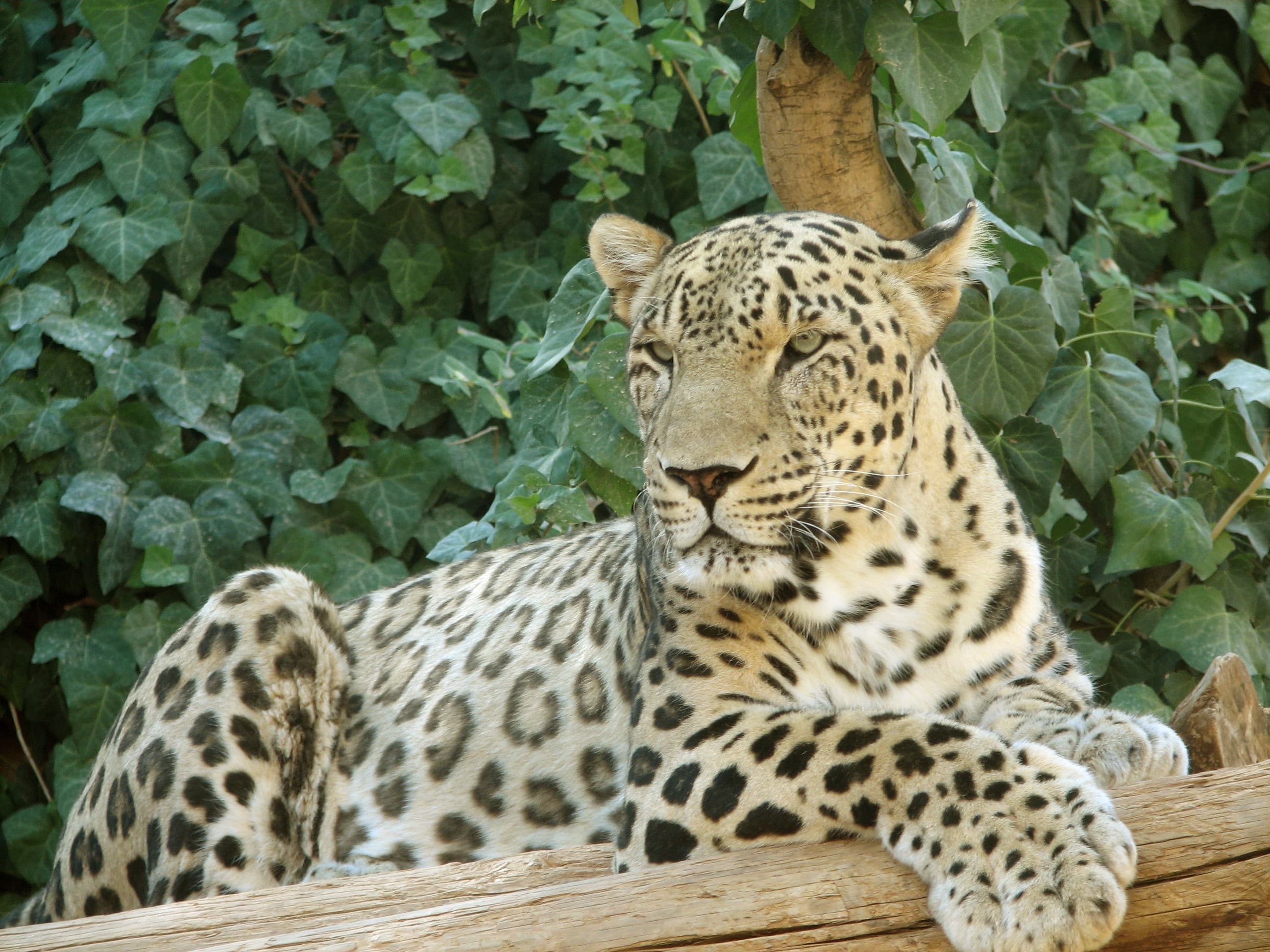
Caucasian leopards are slightly bigger and shaggier than the African leopards you might know from books. Their thick fur helps them survive freezing winters in the high mountains, where snow can fall for months. The pale background of their coat helps them blend into rocks and dry grass.
Each leopard has its own pattern of spots, called rosettes - they look like little flower shapes. No two leopards have the same pattern, just like no two humans have the same fingerprints. Scientists use the patterns to recognise individual leopards on camera traps.
The leopards mostly live in the south of Armenia, in a wild area of cliffs and forests near the Iranian border. They hunt wild goats, deer and smaller animals, and they are almost never seen by people. Rangers find their tracks in snow and set up special cameras to spy on them.
Conservationists - people who protect wild animals - have been working hard to bring leopards back. They protect the forests where leopards live, talk to villagers about how to share the landscape with them, and watch the cameras for new cubs. Every year there is a little more hope.