
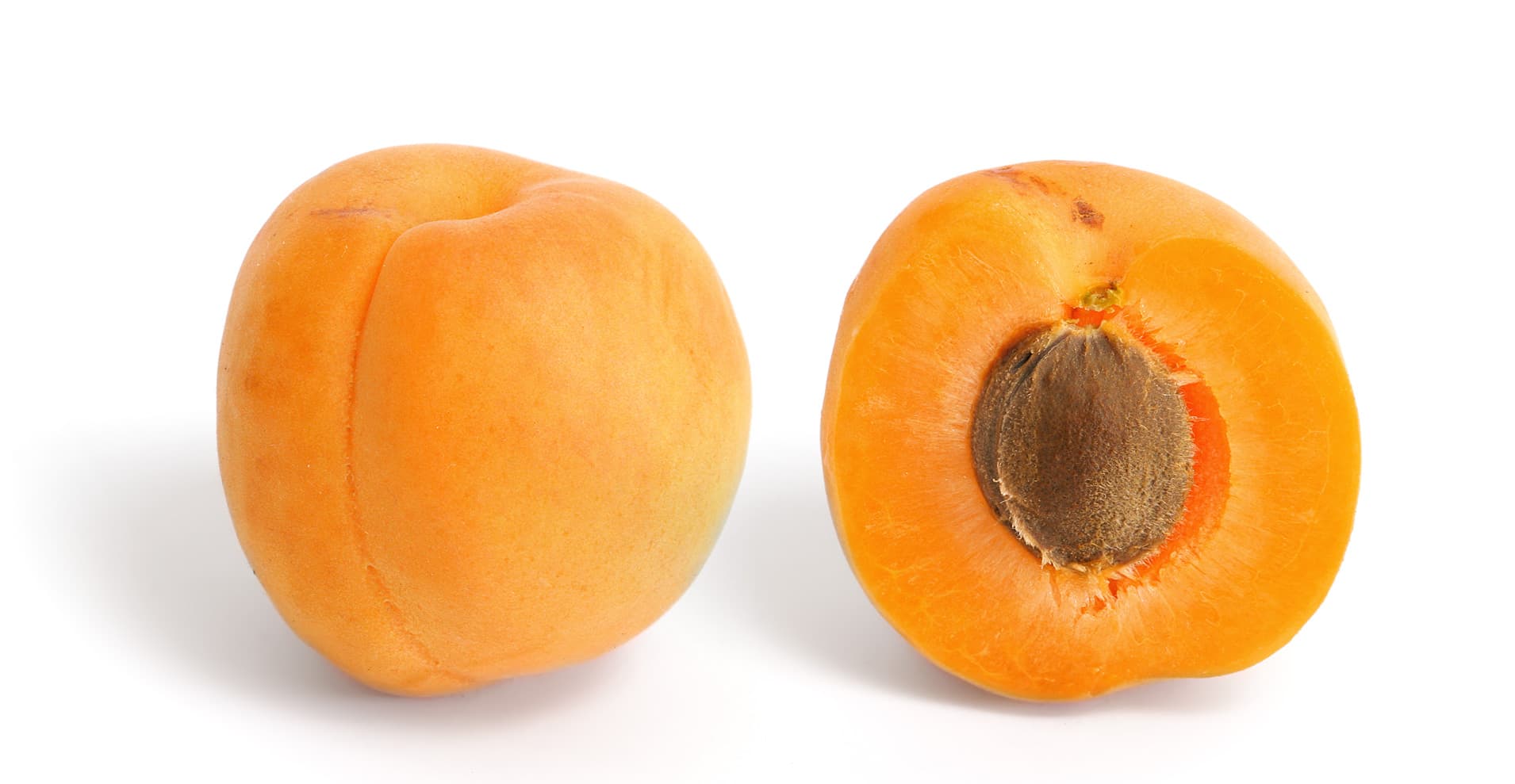
Apricot trees blossom in early spring with pink-white flowers. By July the branches are heavy with golden-orange fruit. In small villages and city gardens, Armenian families pick apricots in baskets, eat them fresh, dry them on the roof to last through winter, and turn them into jams, juices and sweet little dumplings.
When apricots are dried in the warm Armenian sun, they turn deep orange and chewy - sweeter than the fresh fruit and good for months. Dried apricots are sold by the bag at street markets, and you'll see jars of them stacked in every Armenian grandmother's kitchen.
The wood from old apricot trees, once they stop fruiting, is exactly the wood used to make the duduk - Armenia's most famous musical instrument. The same tree gives the country its favourite fruit and its most beautiful sound. Few trees in the world do so many jobs.
Armenian apricots are now grown all over the world, but most farmers still agree the best ones come from the Ararat plain in the south of Armenia, where the hot sun, cool nights and volcanic soil meet to make the fruit especially sweet.