
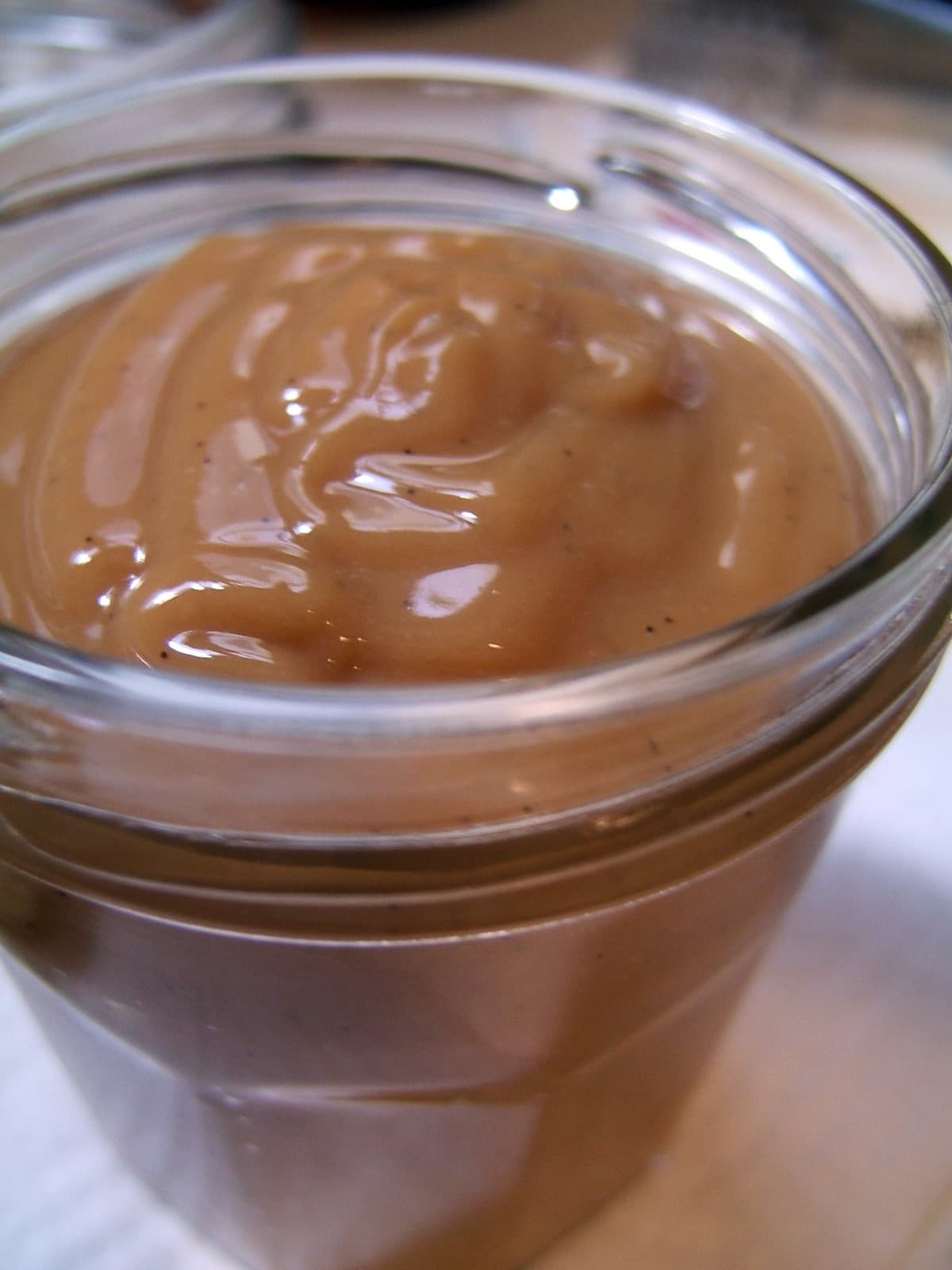
The recipe is simple but slow. You put milk and sugar in a wide pan and stir it gently over a low heat for around two hours. As the water in the milk evaporates, the sugars start to change colour - first to pale gold, then deeper amber, and finally to a rich caramel brown. The smell is unbelievable.
Argentine kids eat it on toast for breakfast, in sandwiches between two biscuits (an 'alfajor'), spooned onto pancakes, mixed into ice cream, and squeezed into cakes. There is even a special drawer in many Argentine fridges that is just for dulce de leche.
It looks like simple cooking - and it is - but the magic is real chemistry. The slow cooking changes how the sugar and the milk's natural proteins fit together. Scientists call this the 'Maillard reaction', the same thing that gives toast its golden crust.
There is a friendly argument between Argentina and Uruguay about which country invented dulce de leche first. The truth is probably that both invented it at about the same time. Either way, it is now spread (literally) all across South America.