
Classroom lesson · Angola's Atlantic Coastline · 🇦🇴 Angola

Angola's Atlantic Coastline

Thousands of kilometres of sandy beaches and warm ocean

Golden sandy beach on Angola's Atlantic coast with fishing boats pulled up on shore

Photo · Wikimedia Commons

What is it?

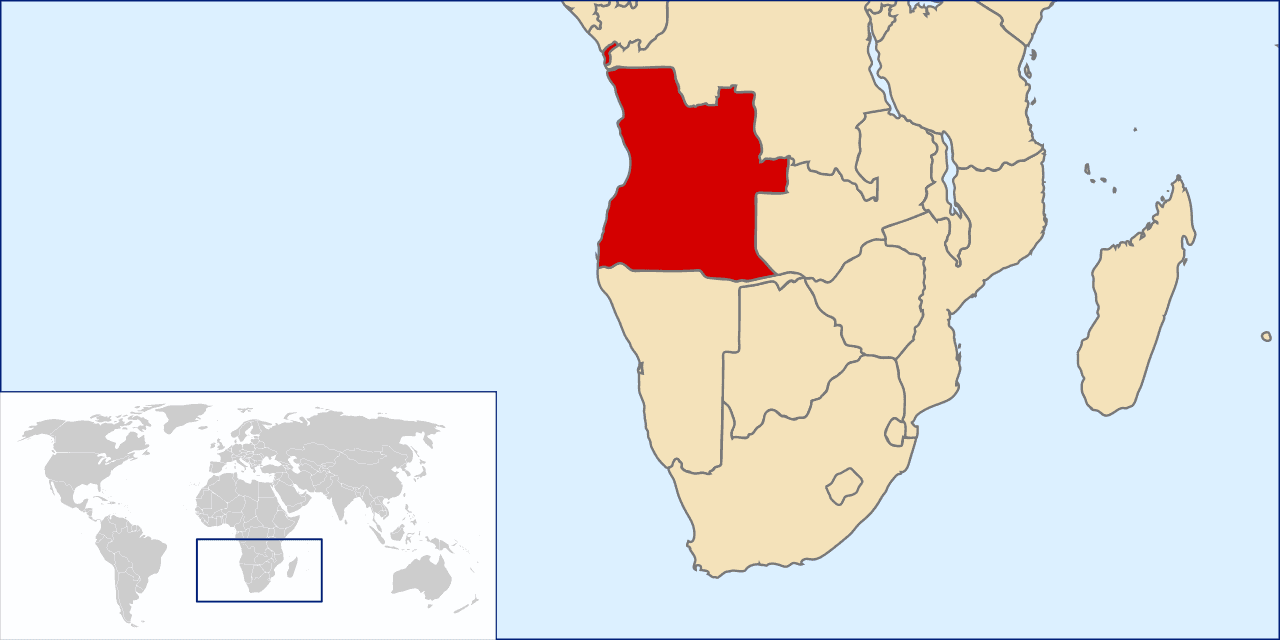
Angola has a long, beautiful coastline stretching more than 1,600 kilometres along the Atlantic Ocean. The beaches range from busy fishing villages to quiet stretches of golden sand backed by palm trees and rocky cliffs. The sea brings fish, trade and adventure to Angolan families every single day.

Tell me more

Fishing has been a way of life on Angola's coast for thousands of years. Brightly painted wooden boats - called pirogas - head out early in the morning and return full of fish including mackerel, tuna and sardines. The fish are often laid out to dry in the sun, filling the beach with colour.

The cold Benguela current runs northward along the coast, making the water rich in nutrients. This brings enormous numbers of fish, which in turn attract dolphins, seals and migrating whales. Families often gather on the beach in the late afternoon to watch dolphins leaping in the surf.

Further north near Luanda, the coast becomes more built-up, with the Ilha de Luanda - a narrow strip of land - curving out to protect the harbour. Here, restaurants serve fresh seafood, children play football on the sand, and people gather to watch the famous Atlantic sunsets that turn the sky orange and pink.

In the classroom

Walk your class through this in 15 minutes.

Talk together

Discussion prompts

  1. 01Why do you think a cold ocean current would bring more fish than a warm one?
  2. 02How might life in a fishing village be different from life in a city far from the sea?
  3. 03What do you think communities that live by the sea need to do to keep the ocean clean and full of fish?
Try this

Classroom activity

Create a 'coastal day' scene. Draw a section of Angolan beach from above, showing fishing boats on the water, fish drying on the shore, a village, and animals in the sea. Give each part of your picture a label and write a sentence explaining what is happening there.