
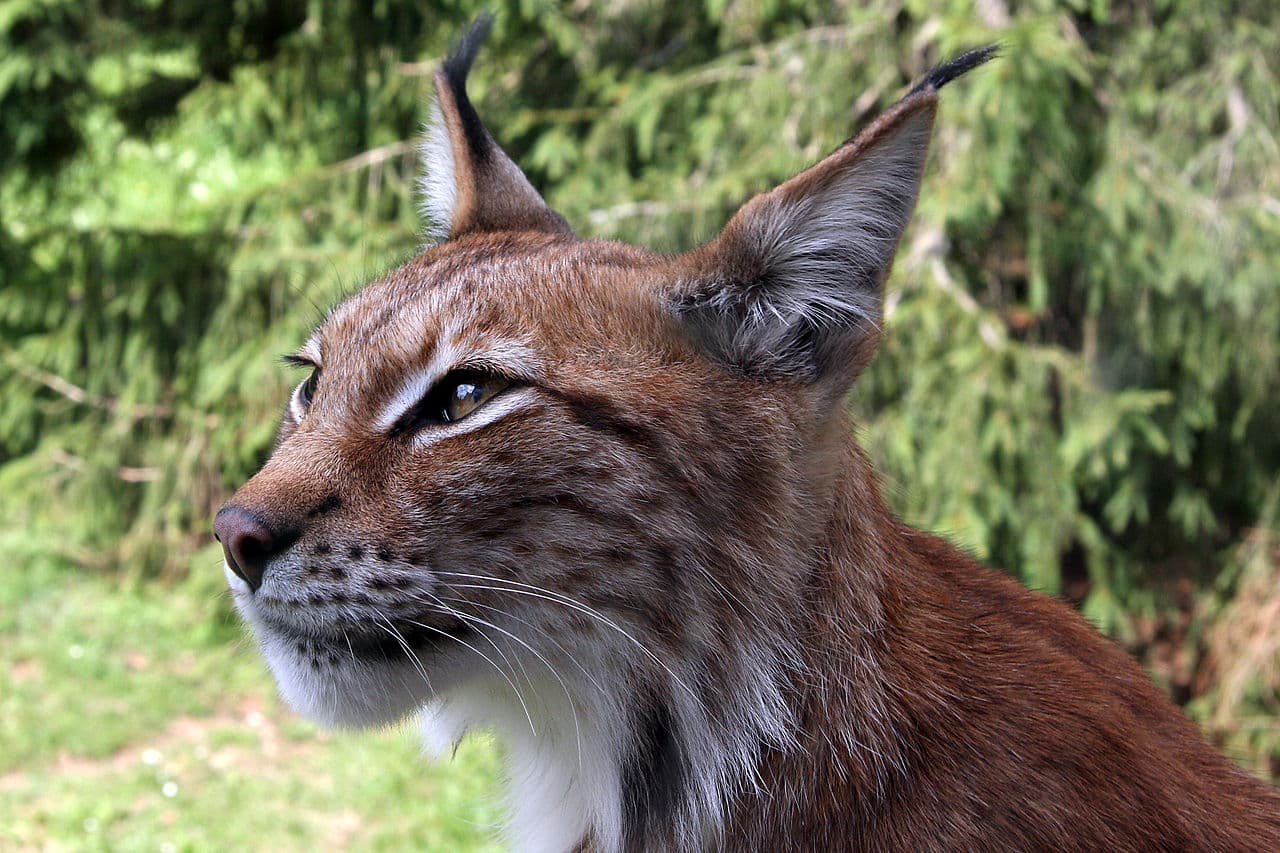
A lynx looks a bit like a very stretched-out house cat, with longer legs, a stubby tail and those famous tufted ears. The tufts probably help its hearing, like little antennae. It can hear a mouse rustle in the leaves from over 50 metres away.
Balkan lynx live alone, not in family groups. Each adult has its own large patch of forest - sometimes 200 square kilometres, which is bigger than a city - and stays there for life. They are very, very hard to spot. Most people who have lived in lynx country their whole lives have never seen one.
They hunt mainly at dawn and dusk, sneaking through the trees in complete silence. Their favourite food is roe deer, but they also eat hares, birds and small mammals. After a meal they sometimes cover what is left with leaves to hide it from other animals - a clever trick to come back to later.
Scientists track lynx by setting up cameras in the woods that take a photo whenever something moves. Every photo of a Balkan lynx is exciting - they are so rare that researchers can recognise individual ones by their spots, the way you might know a friend by their face.