
Most of the year, the herds are inside Tanzania. The southern Serengeti is where the babies are born. In a single short period in January and February, around half a million wildebeest calves arrive. So many babies arrive at the same time that predators can only catch a few - most of them survive together.
A newborn wildebeest can stand up within minutes and run within an hour. It has to. By the time it is a few weeks old, it is walking with the herd, sometimes 20 kilometres in a single day, learning to keep up.
When the dry season comes and the southern grass disappears, the whole herd starts walking north. They cross rivers, climb hills and trek for hundreds of kilometres in search of fresh grass. The full loop is around 800 kilometres long - and the animals do it every year, generation after generation, without maps.
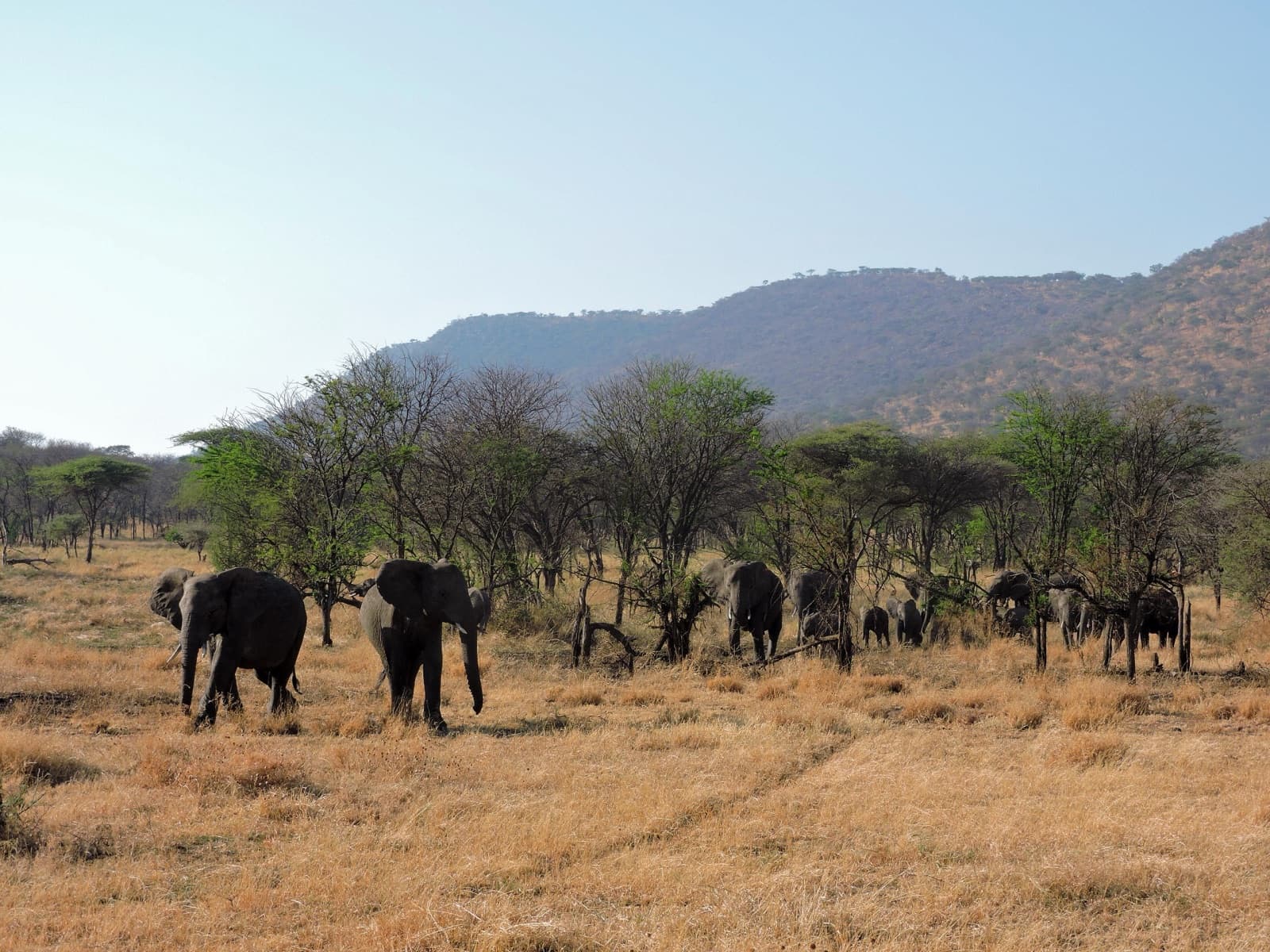
The Serengeti is also home to lions, elephants, leopards, giraffes and over 500 kinds of bird. It is a UNESCO World Heritage Site, which means the whole world has agreed to look after it. Scientists have been watching the same lion families there for over 50 years.