
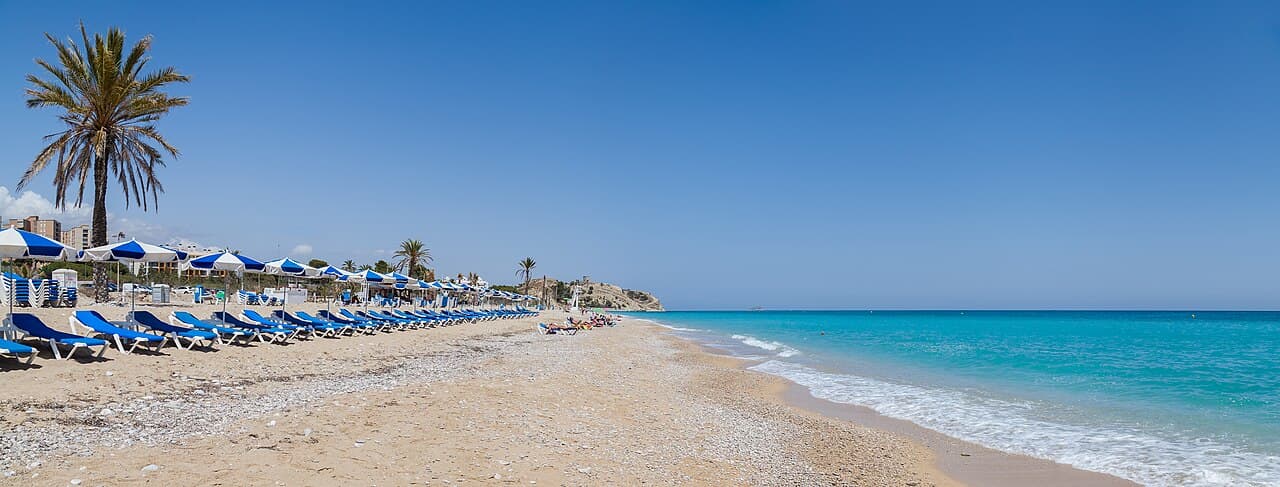
Most Spanish towns have a daily rhythm built around the sun. Shops open in the morning, close in the hottest part of the afternoon (often around 2pm to 5pm), and then open again until late at night. Streets fill up again after 7pm when the heat fades. Children play outside late into the evening because that's when it is finally cool.
The word 'siesta' comes from the Latin 'hora sexta' - the 'sixth hour' after sunrise, which is the hottest. The midday break is older than the word, though. Lots of warm countries around the world have something similar, from Greece to Mexico.
Spain isn't sunny everywhere. The north, near the Atlantic, is green and rainy and reminds people of Ireland. The middle, around Madrid, is a high dry plateau that is hot in summer and cold in winter. The south, around Andalusia, is the sunniest part. And in the very south you can ski on the snow of the Sierra Nevada mountains in the morning and swim in the Mediterranean Sea in the afternoon - both on the same day.
Spain has 17 regions, each with its own landscape, language, food and feel. The Pyrenees mountains in the north have brown bears in their forests. The middle has flat plains where windmills stand against the sky. The Mediterranean coast has beaches the whole way down. Catalonia, Galicia and the Basque Country each speak their own language alongside Spanish.