
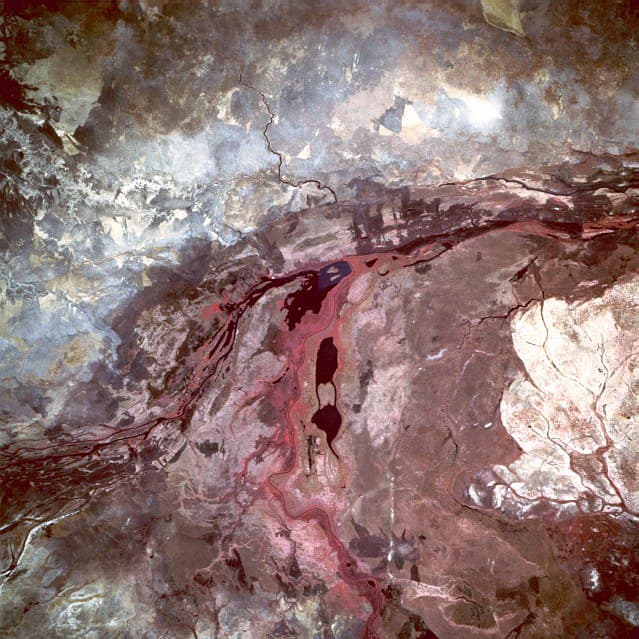
Every year when the rains come, the White Nile spills out of its banks and turns a huge area of land into a shallow sea of water and papyrus reeds. Papyrus is the tall grass that ancient Egyptians used to make paper - and it grows taller than a grown adult in the Sudd.
The Sudd is home to an amazing variety of animals. Hippos wallow in the channels, shoebill storks - birds with beaks shaped like giant shoes - stand perfectly still waiting for fish. Hundreds of thousands of water birds nest here, making the sky noisy with calls and wings.
Millions of antelopes pass through the edges of the Sudd during their great migrations. The flooded channels act like a highway, directing animals to fresh grasslands. The Sudd is also one of the few places on Earth where the Nile lechwe antelope lives - a water-loving deer that can wade through knee-deep water without slipping.
Scientists study the Sudd carefully because it helps clean the Nile's water naturally, the way a giant sponge soaks up mud. Floating mats of plants called 'sudd islands' drift slowly on the current, sometimes carrying frogs and insects with them like tiny living rafts.