
Sorghum is an incredibly tough crop - it can grow in hot, dry conditions where wheat or rice would struggle. Farmers in South Sudan have grown it for thousands of years, and the grain is packed with energy and nutrients. Grinding the grain into flour is often done by hand using heavy stones, and the sound of grinding fills morning air in many villages.
To make kisra, sorghum flour is mixed with water and left to ferment for a day or two, which gives it a pleasant tangy flavour. The thin batter is then poured onto a flat, very hot pan and spread in a circle, cooking almost instantly into a paper-thin sheet. It is peeled off and rolled up, ready to scoop stew or eat on its own.
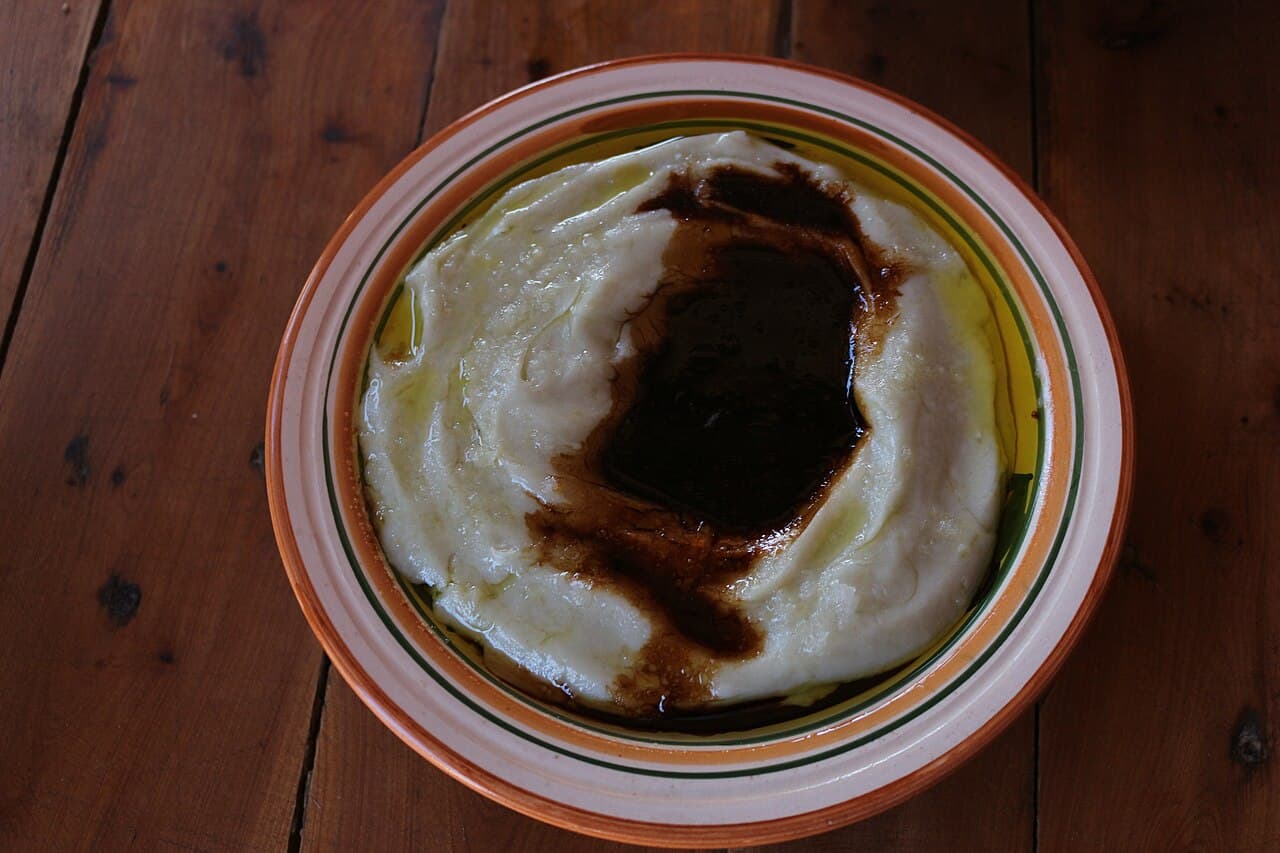
Asida is made differently - sorghum flour is stirred vigorously into boiling water until it becomes a thick, smooth, stretchy mass. It is served in a mound and eaten by pulling off a piece with the fingers, rolling it into a ball, making a small dip with the thumb, and using it to scoop up stew - usually a meat or lentil sauce seasoned with spices and simsim sesame paste.
Ful medames - stewed fava beans served with sesame oil and lemon - is another beloved dish, especially for breakfast. Fresh tilapia from the Nile, grilled over charcoal and served with chilli and lime, is a favourite at waterfront restaurants in Juba.