
Classroom lesson · Wildlife · 🇸🇸 South Sudan

African Elephant

The world's largest land animal roams South Sudan's parks

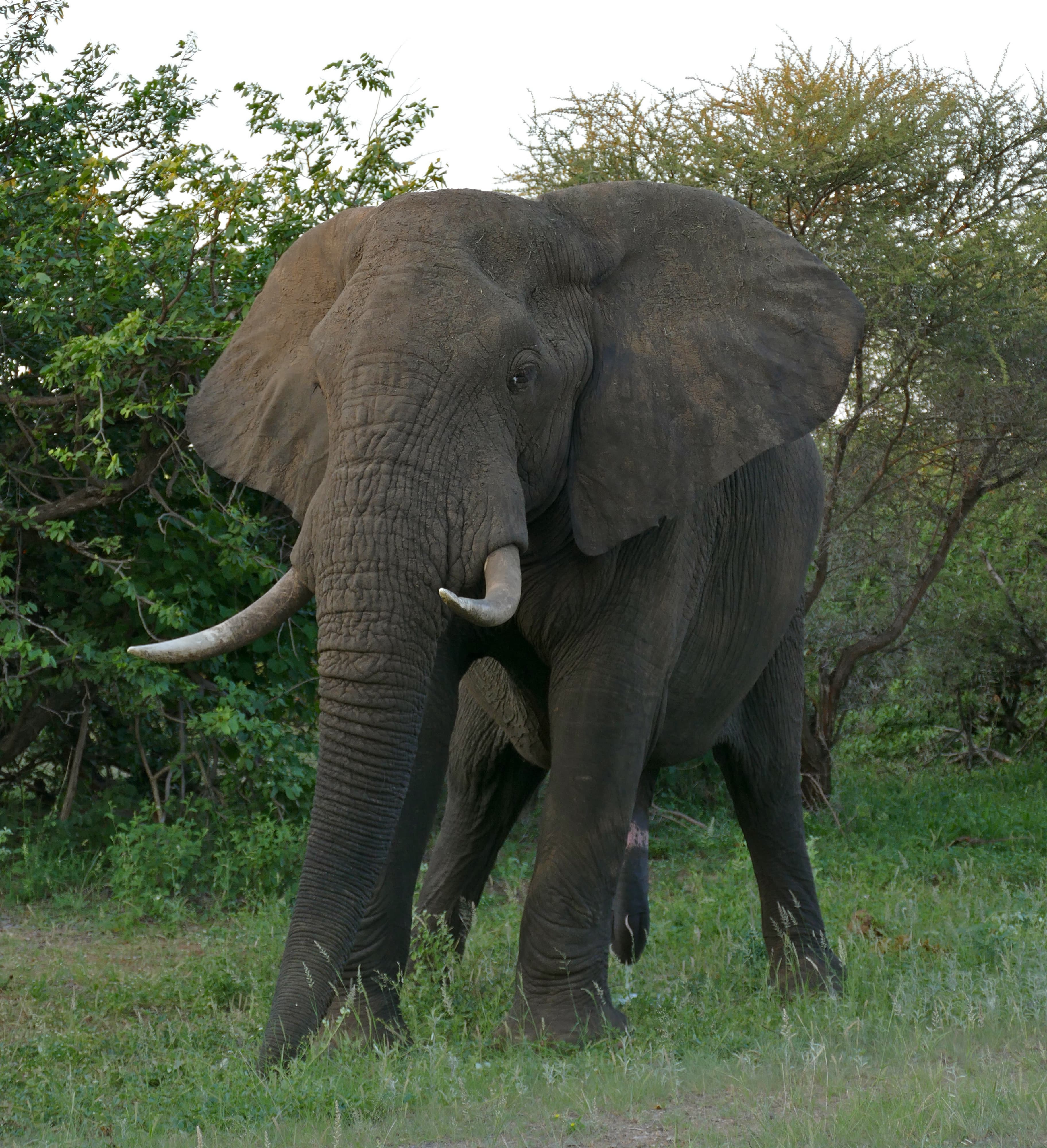
A family of African elephants walking through savannah grass at sunset

Photo · Wikimedia Commons

What is it?

African elephants are the biggest land animals on Earth, and South Sudan's national parks are home to significant herds. Elephants live in close family groups led by the oldest female, called the matriarch. She remembers where water holes are, which paths are safe, and where the best trees grow - knowledge built up over decades of travelling the savannah.

Tell me more

An adult African elephant can weigh up to six tonnes - the same as about four cars. Their trunks have around 40,000 muscles and can do incredibly precise things: lift a single blade of grass or pull down a whole tree. Elephants use their trunks to drink, to greet each other, to comfort young calves, and to throw dust over their backs to protect against insects and sunburn.

Elephant families communicate in many ways - through rumbles so low that humans cannot always hear them, through touch, through body language, and through the position of their ears. When an elephant spreads its ears wide, it is saying 'I am big and strong - pay attention.' When ears are relaxed and flopping, the elephant is calm.

In South Sudan, elephants play an important role in shaping the landscape. They knock down trees to eat the leaves and bark, which opens up clearings where smaller animals and birds can feed. Their footprints fill with water and become tiny pools for insects and frogs. Scientists call elephants a 'keystone species' - like the keystone in an arch, everything else depends on them.

Baby elephants are born after a 22-month pregnancy - the longest of any land animal. A newborn calf weighs around 120 kg (heavier than most adult humans) and immediately tries to stand up. The whole family gathers around, touching and rumbling, welcoming the new arrival.

In the classroom

Walk your class through this in 15 minutes.

Talk together

Discussion prompts

  1. 01The matriarch elephant remembers water holes for decades. Who in your family or community holds important knowledge like that?
  2. 02Elephants are called a 'keystone species.' What do you think would happen to the rest of the savannah if elephants disappeared?
  3. 03A baby elephant weighs 120 kg at birth. How does that compare to the weight of everyone in your family added together?
Try this

Classroom activity

Using a tape measure or chalk, mark out the outline of an adult elephant on the playground floor: 6 m long, 3.3 m tall at the shoulder. Stand inside it! Now mark how tall a newborn calf would be at your shoulder. Discuss: how does it feel to stand inside the elephant outline?