
Classroom lesson · The Banana Islands · 🇸🇱 Sierra Leone

The Banana Islands

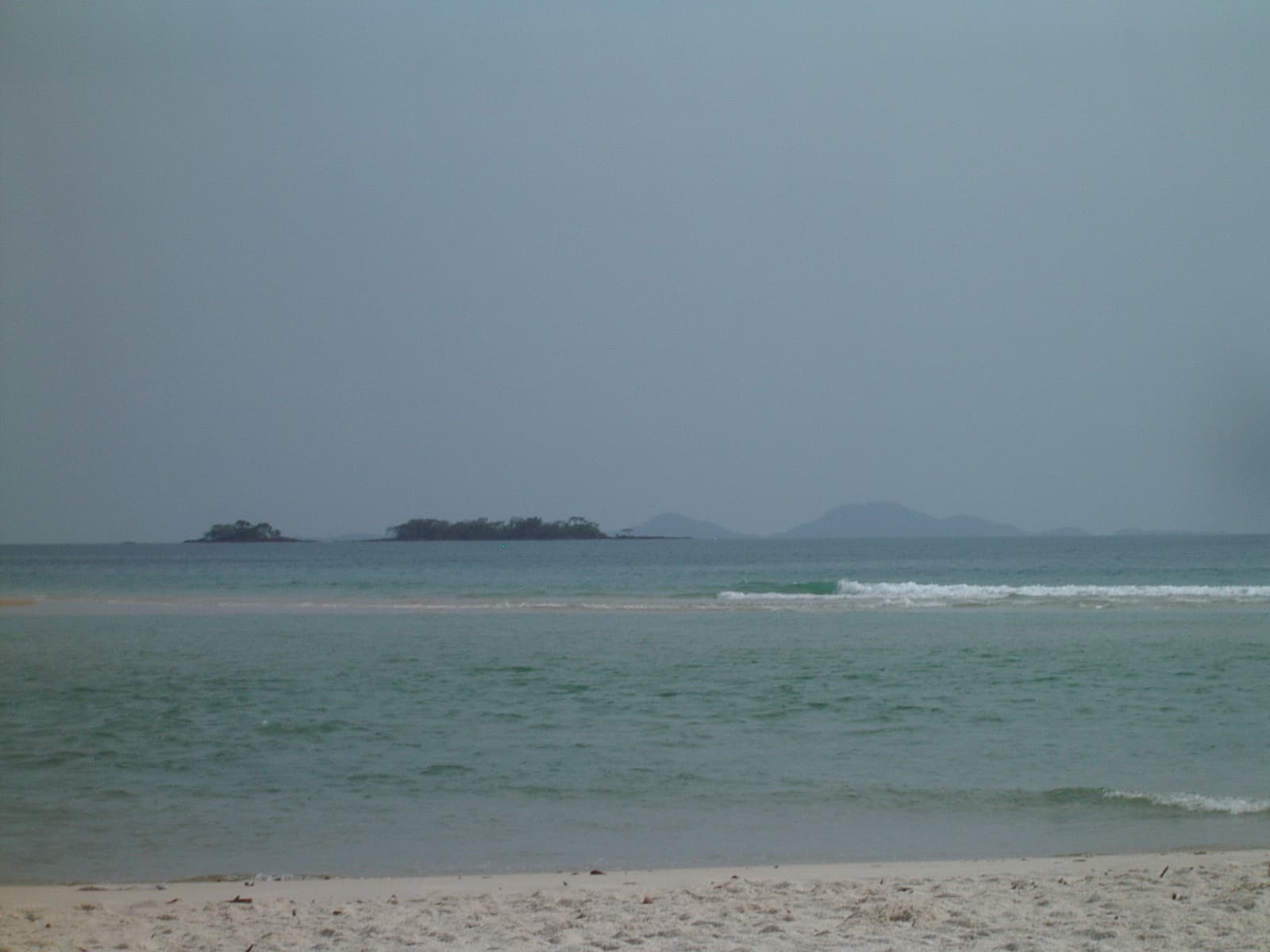
Three tiny islands with coral reefs and white sand beaches

Clear turquoise water and palm trees on the Banana Islands

Photo · Wikimedia Commons

What is it?

The Banana Islands are three small islands - Dublin, Mes-Meheux and Ricketts - sitting in the Atlantic Ocean about 25 kilometres south of Freetown. They are famous for their sparkling white-sand beaches, crystal-clear water and colourful coral reefs just below the surface.

Tell me more

Getting to the Banana Islands means taking a short boat ride from the Sierra Leonean coast, which is part of the adventure. The islands are quiet and peaceful - there are no cars and very few buildings, just palm trees, fishermen's boats and the sound of waves. Sea turtles sometimes nest on the beaches.

Below the water, the coral reefs around the islands are home to a huge variety of fish - from tiny, bright-coloured reef fish darting between the coral to larger species further out. Snorkellers can float over the reef and see an underwater world that very few people outside Sierra Leone know about.

Fishing villages on the Banana Islands have been home to communities for hundreds of years. Local fishermen still go out in traditional wooden pirogues (long, narrow fishing boats) every morning and return with their catch in the afternoon. The way of life has stayed remarkably similar for generations.

In the classroom

Walk your class through this in 15 minutes.

Talk together

Discussion prompts

  1. 01Life on the Banana Islands has no cars and very few shops. What would you enjoy about that, and what would you miss?
  2. 02Why are coral reefs so important for fish and other sea creatures?
  3. 03Fishing communities have lived on these islands for hundreds of years. How do you think their daily lives might be different from yours?
Try this

Classroom activity

Draw an underwater scene below the Banana Islands reef. Include at least six different sea creatures - research which animals actually live in West African coral reefs and label each one. Add the coral itself in as many colours as you can find.