
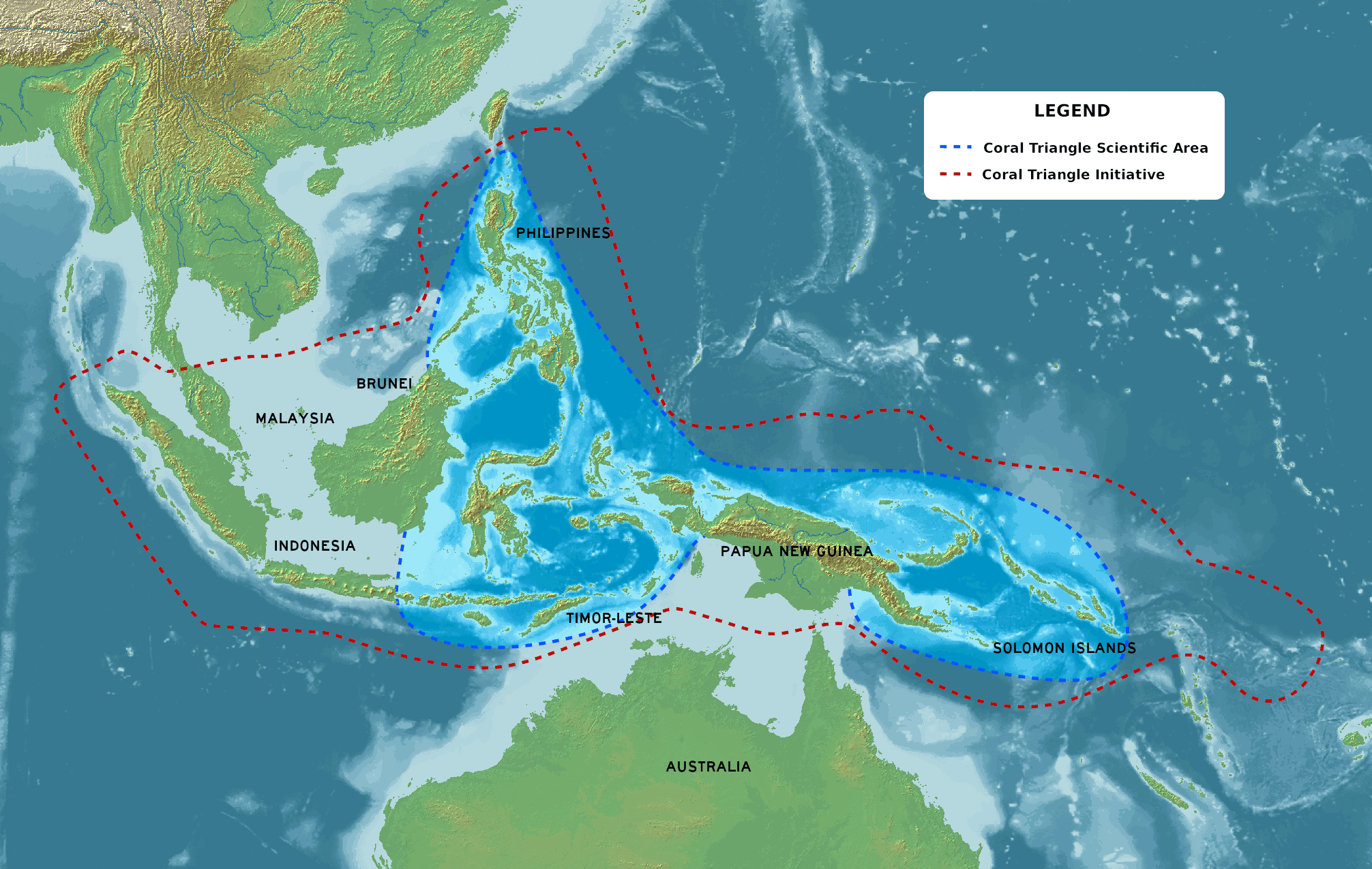
A coral reef is built by tiny animals called coral polyps. Each polyp is smaller than your fingernail, and it slowly builds a hard outer skeleton. Over hundreds of years, millions of polyps grow together and their skeletons join up to make giant underwater cities of stone, full of shapes like brains, fans, antlers and cabbages.
Around 600 different kinds of coral and over 3,000 kinds of fish live in PNG's waters. That is more kinds of fish than swim in the whole Mediterranean and Caribbean Seas combined. If you put on a snorkel and a mask, you can see clownfish, parrotfish, butterflyfish, manta rays and even friendly reef sharks within a few minutes.
Coastal villages in PNG have fished these reefs for thousands of years - carefully, taking just what they need. Many villages have 'tambu' areas - parts of the reef where nobody fishes for a year or two, so the fish can have babies and the coral can grow back stronger. It is one of the oldest ways of protecting nature on Earth.
Coral needs warm, clean water and lots of sunlight. When the sea gets too hot, the coral can lose its bright colours and turn white - that is called 'bleaching'. Scientists and PNG communities work together to look after the reefs so they stay healthy for the next generation.