
Classroom lesson · Battir's Terraced Olive Farms · 🇵🇸 Palestine

Battir's Terraced Olive Farms

Ancient hillside gardens carved in stone - UNESCO World Heritage

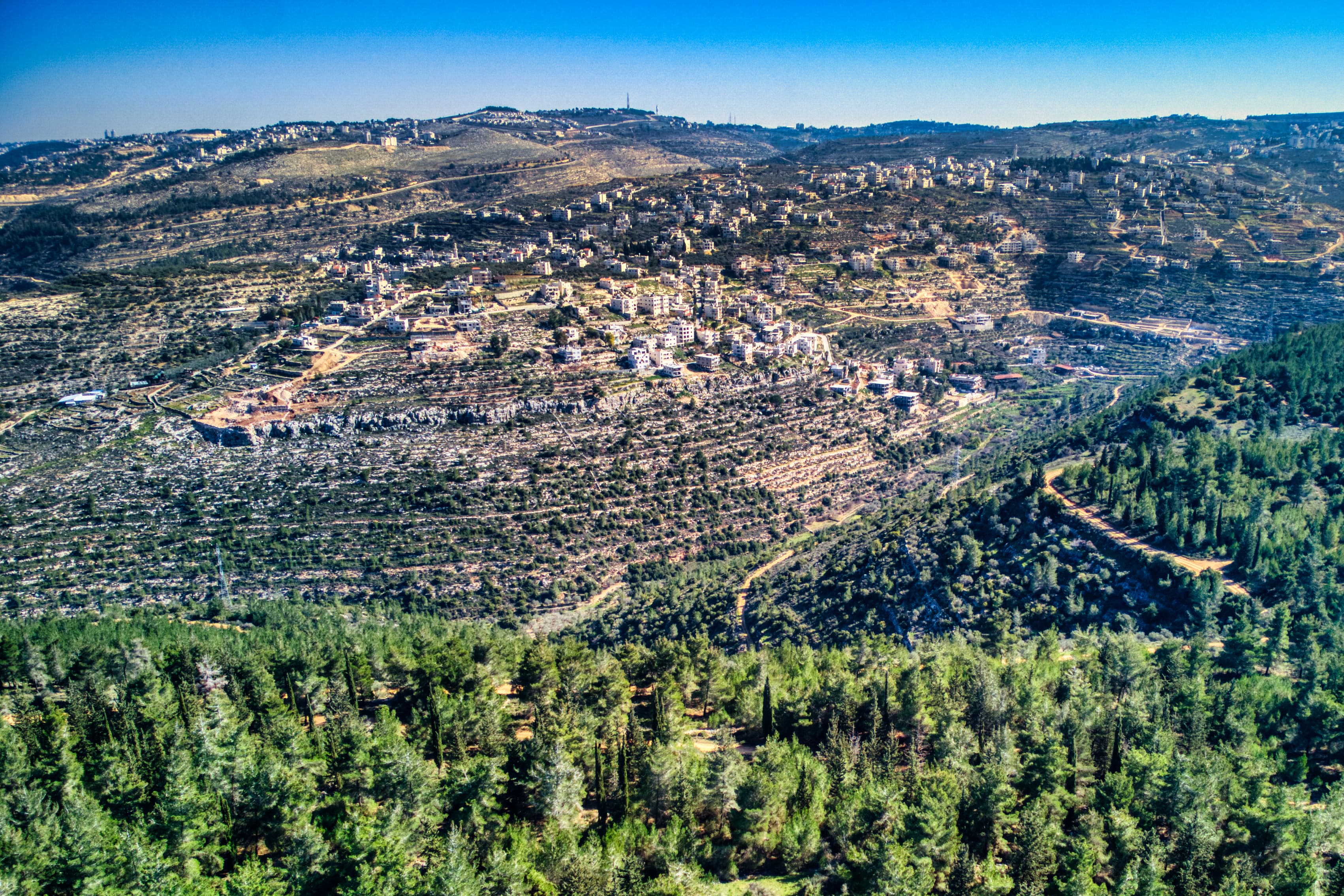
Green terraced hillsides with old stone walls and silver-leaved olive trees near Battir

Photo · Wikimedia Commons

What is it?

Near the village of Battir, the hillsides have been carved into giant steps called terraces for over two thousand years. Each step is held in place by a dry-stone wall built without any cement, and on every step grow ancient olive and grape vines. UNESCO named this landscape a World Heritage Site in 2014.

Tell me more

Building a terrace is clever engineering. Instead of letting rain wash the soil down a steep hill, farmers cut flat shelves into the slope and build stone walls to hold the earth in place. The result is a staircase of growing land where rain soaks in slowly and plants can drink for much longer. The same stones laid by farmers two thousand years ago are still holding the hillsides together today.

Battir's terraces are watered by a spring system that sends water through stone channels to each garden in turn. Each family in the village receives their share of the spring water on a set day of the week - a tradition that has been running, without pause, for at least a thousand years. The channels are cleaned and repaired by hand every season.

Walking through the terraces in autumn is unforgettable. The olive trees have silver-green leaves that shimmer in the breeze, and the ground is covered with nets spread out to catch the falling olives at harvest time. Whole families - grandparents, parents, and children - climb the terraces together and pick olives by hand, talking and singing as they work.

In the classroom

Walk your class through this in 15 minutes.

Talk together

Discussion prompts

  1. 01Why is it clever to carve hillsides into flat terraces instead of planting on the slope itself?
  2. 02The water-sharing system has worked for over 1,000 years with no computers or apps - how do you think the farmers kept it organised?
  3. 03If your whole family worked together on a farm for a day, what job would you most want to do?
  4. 04Why might it matter to keep old farming methods alive, even if newer machines exist?
Try this

Classroom activity

Build a model terrace! Using a tray of damp sand or soil, slope it like a hillside. Now press in flat 'shelves' and support each one with a row of small pebbles. Pour a little water at the top and watch how the terraces slow it down compared to a plain slope.