
Classroom lesson · Wildlife · 🇳🇪 Niger

The Giraffes of Kouré

The last wild West African giraffes on Earth

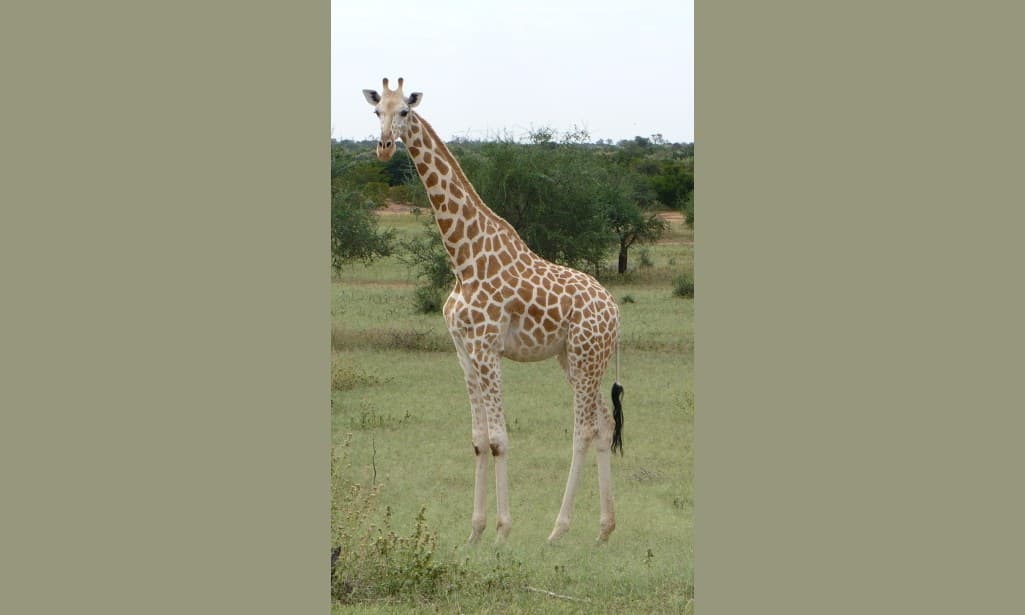
A group of tall giraffes walking through open savanna near Kouré village

Photo · Wikimedia Commons

What is it?

About 60 kilometres from Niger's capital city, a small herd of giraffes roams the open bush near the village of Kouré. These are the very last wild West African giraffes in the whole world - a subspecies found nowhere else on Earth in the wild. Just a few decades ago there were fewer than 50 left; today there are several hundred, thanks to the care of local communities and wildlife organisations.

Tell me more

West African giraffes look slightly different from the giraffes you might see in wildlife documentaries from East Africa. Their patches are more irregular and a lighter cream colour, and they have a distinctive reddish tint. They are tall, graceful and surprisingly quiet as they move through the trees, stretching their long necks to reach leaves that no other animal can reach.

What makes the Kouré giraffes especially wonderful is that local people have been central to their recovery. The farming communities around Kouré agreed to protect the giraffes' habitat, and the giraffes responded by becoming comfortable living alongside people. Visitors can ride on horseback or in a vehicle to get close, and the giraffes often wander through villages calmly.

The population has grown steadily from just 49 individuals in 1996 to several hundred today. Scientists tag and monitor the giraffes individually and keep records of births and movements. It is one of Africa's great wildlife recovery stories, and the people of Kouré are rightly proud of the role they played in bringing it about.

In the classroom

Walk your class through this in 15 minutes.

Talk together

Discussion prompts

  1. 01The giraffes recovered because local people decided to protect them. How does it feel to know that ordinary communities can save an endangered species?
  2. 02West African giraffes live near villages and have become comfortable around people. What might be the advantages and disadvantages of wild animals and humans living so close together?
  3. 03If there were only 49 of any animal left in the wild, what would you do to help them?
Try this

Classroom activity

Create a 'giraffe recovery timeline' poster. Mark 1996 (49 giraffes), add points showing the population growing decade by decade, and end with today's number. Draw a giraffe next to each point, slightly bigger each time. Add a speech bubble from a community member explaining what they did to help.