
Classroom lesson · The Niger River · 🇳🇪 Niger

The Niger River

The great river that loops through the Sahara

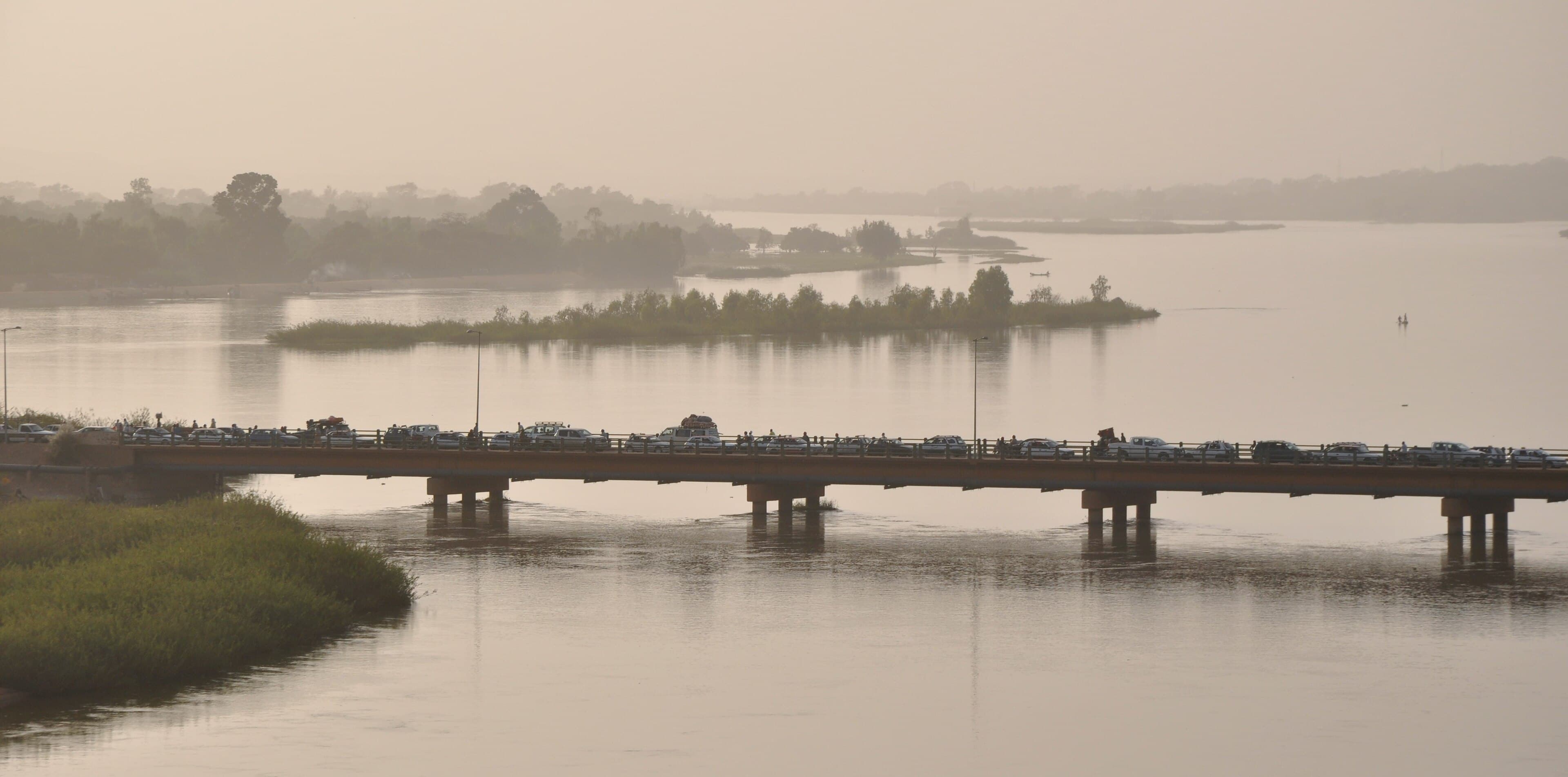
The wide Niger River with boats and green banks at sunset

Photo · Wikimedia Commons

What is it?

The Niger River is one of Africa's longest rivers, stretching more than 4,000 kilometres and passing through five countries. What makes it extraordinary is that it starts near the Atlantic Ocean, then turns away from it and flows northeast - deep into the Sahara - before turning south again. This big loop gave Niger its name and has supported life in the region for thousands of years.

Tell me more

The river is the lifeblood of Niger. In a country where most of the land is very dry, the narrow strip along the Niger River is green, fertile and full of activity. Farmers grow rice, millet and vegetables in the floodplain. Fishermen paddle long wooden canoes and haul in catches that feed whole villages. Markets line the banks where traders from many different communities meet.

Hippos and West African crocodiles live in the slower, deeper stretches of the river. Hundreds of species of birds nest in the reeds and trees along the banks - from herons and kingfishers to the enormous goliath heron, which can be as tall as a seven-year-old child. The river creates a ribbon of wildlife through the dry landscape.

The capital city, Niamey, sits on the banks of the Niger River. The river has always been a route for trade, travel and communication. Traditional pinasse boats - long, colourful wooden vessels - carry people and goods up and down the river just as they have done for centuries.

In the classroom

Walk your class through this in 15 minutes.

Talk together

Discussion prompts

  1. 01Most rivers flow towards the sea as directly as possible. Why do you think the Niger makes such a long loop before it gets there?
  2. 02If you lived in a very dry country and there was a river nearby, how would you use it in your daily life?
  3. 03Five different countries share the Niger River. How might they need to co-operate to look after it?
Try this

Classroom activity

Trace the path of the Niger River on a map of West Africa, marking where it loops into the Sahara and back again. Mark Niamey on the map. Then draw a cross-section of the riverbank - showing the river, the green farmland beside it and the drier land further away.